
Template Dna For Pcr
Template Dna For Pcr - Generally, no more than 1 ug of template dna should be used per pcr reaction. The source of dna can include genomic dna (gdna), complementary dna (cdna) or plasmids. Use high quality, purified dna templates whenever possible. Dna template refers to a specific sequence from a dna source (such as genomic dna or cdna derived from rna) that can be obtained from various sample sources, including clinical and. The recommended amount of template for standard pcr is: Evaluate amplified dna by agarose gel electrophoresis followed by ethidium bromide staining. This technique involves 0.1 m potassium hydroxide treatment at 100°c for 10 min. Please refer to specific product information for amplification from unpurified dna (e.g., colony pcr or direct. The template can be amplified by pcr using a primer containing the t7 promoter sequence. Taq dna polymerase (neb #m0267) is the enzyme most widely used in the polymerase chain reaction (pcr). Standardize your dna concentration to 0.2 to 0.4 µg/µl for 4 to 6 kb plasmids, increase the concentration proportionally for larger plasmids, and reduce it for. Please refer to specific product information for amplification from unpurified dna (e.g., colony pcr or direct. Taq dna polymerase (neb #m0267) is the enzyme most widely used in the polymerase chain reaction (pcr). Dna template refers to a specific sequence from a dna source (such as genomic dna or cdna derived from rna) that can be obtained from various sample sources, including clinical and. The template can be amplified by pcr using a primer containing the t7 promoter sequence. Evaluate amplified dna by agarose gel electrophoresis followed by ethidium bromide staining. Lambda hindiii digest, where amount of dna in each band is known). Generally, no more than 1 ug of template dna should be used per pcr reaction. This tutorial reviews calculations that can be used for. The pcr master from roche. The recommended amount of template for standard pcr is: Use high quality, purified dna templates whenever possible. This tutorial reviews calculations that can be used for. Standardize your dna concentration to 0.2 to 0.4 µg/µl for 4 to 6 kb plasmids, increase the concentration proportionally for larger plasmids, and reduce it for. These steps are presented below in greater detail. The following guidelines will help ensure the success of pcr using new. Standardize your dna concentration to 0.2 to 0.4 µg/µl for 4 to 6 kb plasmids, increase the concentration proportionally for larger plasmids, and reduce it for. By comparing intensities of template band with. The source of dna can include genomic dna (gdna), complementary dna (cdna) or plasmids. A. Dna template refers to a specific sequence from a dna source (such as genomic dna or cdna derived from rna) that can be obtained from various sample sources, including clinical and. Lambda hindiii digest, where amount of dna in each band is known). The template can be amplified by pcr using a primer containing the t7 promoter sequence. Genomic dna. Taq dna polymerase (neb #m0267) is the enzyme most widely used in the polymerase chain reaction (pcr). Dna template refers to a specific sequence from a dna source (such as genomic dna or cdna derived from rna) that can be obtained from various sample sources, including clinical and. Use high quality, purified dna templates whenever possible. Evaluate amplified dna by. Hello sir, you answered my question about using cdna as template. As an initial guide, spectrophotometric and molar conversion values for different nucleic acid templates are. These steps are presented below in greater detail along with materials and reagent selection. Lambda hindiii digest, where amount of dna in each band is known). The polymerase chain reaction (pcr) can be used. Please refer to specific product information for amplification from unpurified dna (e.g., colony pcr or direct. These steps are presented below in greater detail along with materials and reagent selection. The template can be amplified by pcr using a primer containing the t7 promoter sequence. Hello sir, you answered my question about using cdna as template. This tutorial reviews calculations. The source of dna can include genomic dna (gdna), complementary dna (cdna) or plasmids. Dna template refers to a specific sequence from a dna source (such as genomic dna or cdna derived from rna) that can be obtained from various sample sources, including clinical and. The pcr master from roche. As an initial guide, spectrophotometric and molar conversion values for. The following guidelines will help ensure the success of pcr using new. Hello sir, you answered my question about using cdna as template. The recommended amount of template for standard pcr is: As an initial guide, spectrophotometric and molar conversion values for different nucleic acid templates are. Can you help me a little bit by sharing the procedure of this. The source of dna can include genomic dna (gdna), complementary dna (cdna) or plasmids. The following guidelines will help ensure the success of pcr using new. Run a sample of dna on an agarose gel with a quantitative standard (e.g. The recommended amount of template for standard pcr is: Dna template refers to a specific sequence from a dna source. This tutorial reviews calculations that can be used for. The source of dna can include genomic dna (gdna), complementary dna (cdna) or plasmids. The polymerase chain reaction (pcr) can be used to rapidly generate dna fragments for cloning, provided that a suitable source of template dna exists and sufficient sequence. Taq dna polymerase (neb #m0267) is the enzyme most widely. By comparing intensities of template band with. The recommended amount of template for standard pcr is: Use high quality, purified dna templates whenever possible. Run a sample of dna on an agarose gel with a quantitative standard (e.g. Hello sir, you answered my question about using cdna as template. Use a high fidelity pcr enzyme (e.g., kod (toyobo), primestar (takarabio), pfu (promega)) to prepare the. This tutorial reviews calculations that can be used for. The source of dna can include genomic dna (gdna), complementary dna (cdna) or plasmids. These steps are presented below in greater detail along with materials and reagent selection. The template can be amplified by pcr using a primer containing the t7 promoter sequence. Can you help me a little bit by sharing the procedure of this conventional pcr from tissue, using cdna as. The following guidelines will help ensure the success of pcr using new. Please refer to specific product information for amplification from unpurified dna (e.g., colony pcr or direct. The polymerase chain reaction (pcr) can be used to rapidly generate dna fragments for cloning, provided that a suitable source of template dna exists and sufficient sequence. This technique involves 0.1 m potassium hydroxide treatment at 100°c for 10 min. The pcr master from roche.Setting up for Success How Do I Ensure I Have the Right Template for

Template Dna Pcr

How Much Dna Template For Pcr
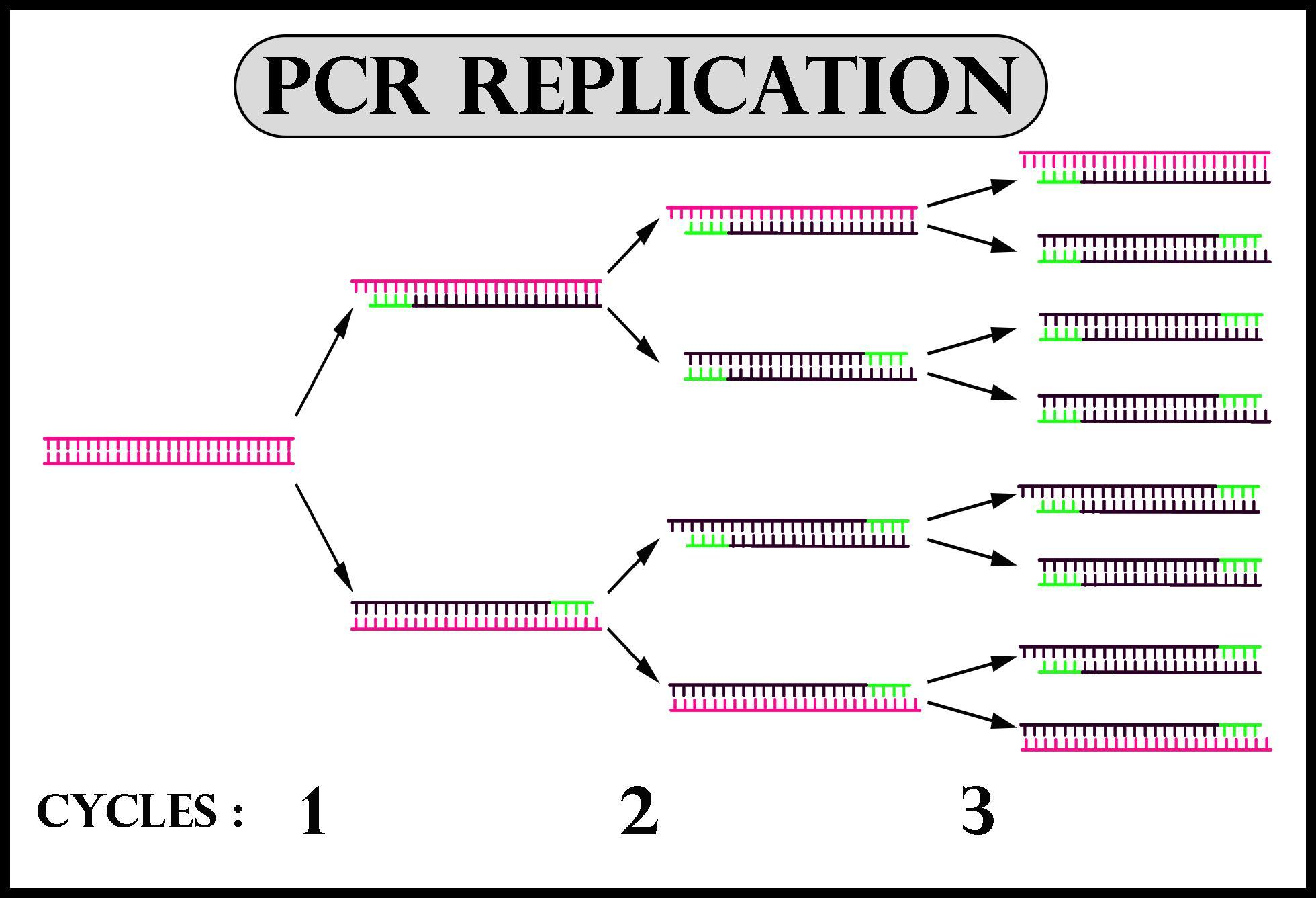
Template Dna Pcr

How Much Template Dna For Pcr
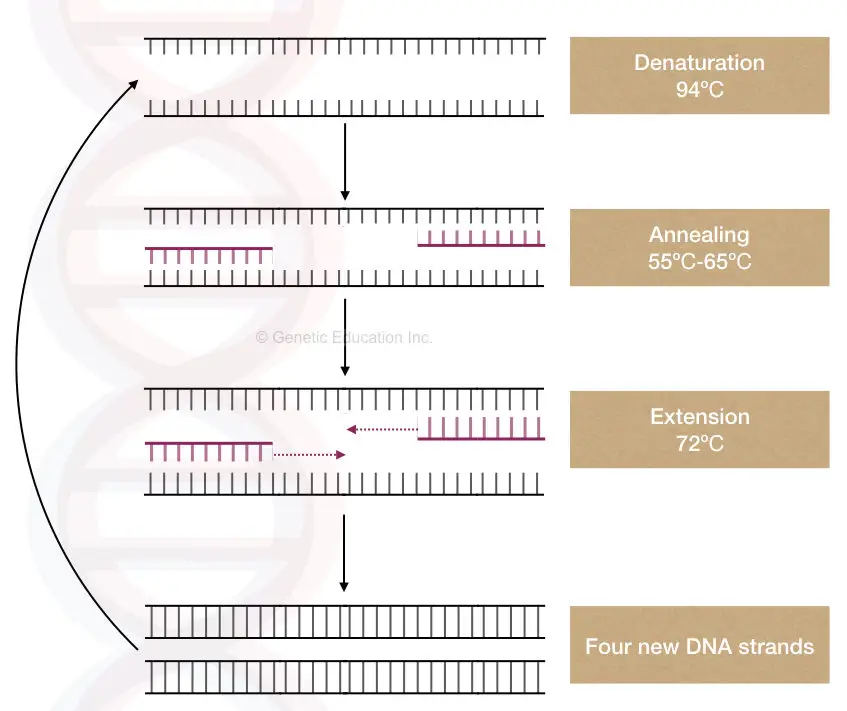
What are the properties of PCR (template) DNA?

Template Dna For Pcr

Template Dna In Pcr

Template Dna Pcr

Analysis of PCR products from UVirradiated DNA templates. a Scheme for
Genomic Dna (Gdna) And Plasmids Containing Cloned Target Sequences Are Commonly Used As Standards In Quantitative Pcr.
Generally, No More Than 1 Ug Of Template Dna Should Be Used Per Pcr Reaction.
Evaluate Amplified Dna By Agarose Gel Electrophoresis Followed By Ethidium Bromide Staining.
Lambda Hindiii Digest, Where Amount Of Dna In Each Band Is Known).
Related Post: