
Argocd Application Template
Argocd Application Template - In this post, i will present an implementation method and a. An argo cd application is created by combining the parameters from the generator with fields of the template (via {{values}}), and from that a concrete application resource is produced and. An argo cd application is created by combining the parameters from the generator with fields of the template (via {{values}}), and from that a concrete. Argocd is a gitops continuous delivery tool for kubernetes. Implement hook ordering with sync waves: True to your applicationset manifest. Generators are responsible for generating parameters, which are then rendered into the template: This application was chosen for its simplicity and clarity, making it an ideal example for demonstrating ci/cd. These can be updated using kubectl apply, without needing to touch the argocd. Applicationsets in argocd extend the basic application custom resource by providing a template mechanism to generate multiple applications dynamically. Argocd’s app of apps pattern helps us declaratively specify one argo cd app that consists only of other apps. Argo cd's primary job is to make sure that your desired state, stored in git, matches your running state on your kubernetes installation. It helps you manage your applications' deployments and their lifecycle inside your kubernetes clusters in a. These can be updated using kubectl apply, without needing to touch the argocd. An argo cd application is created by combining the parameters from the generator with fields of the template (via {{values}}), and from that a concrete application resource is produced and. Firstly, deploy argocd in kubernetes cluster. To activate this feature, add gotemplate: This application was chosen for its simplicity and clarity, making it an ideal example for demonstrating ci/cd. Generators are responsible for generating parameters, which are then rendered into the template: Thirdly, if something changes in the repository,. It does this by comparing kubernetes declarations. If you use argoworkflow, you may have used the “podspecpatch”. In my experience, here are tips that can help you better utilize argo cd resource hooks: The sprig function library (except for env, expandenv and. I'm using argocd applicationset template of git folder generator, where's each folder is a helm chart. Generators are responsible for generating parameters, which are then rendered into the template: I want to add annotation to the application from the values of the folder's chart. Firstly, deploy argocd in kubernetes cluster. An argo cd application is created by combining the parameters from the generator with fields of the template (via {{values}}), and from that a concrete application. A node.js rest api that returns the current time. The “templatepatch” is working in the. The sprig function library (except for env, expandenv and. An argo cd application is created by combining the parameters from the generator with fields of the template (via {{values}}), and from that a concrete application resource is produced and. An argo cd application is created. Generators are responsible for generating parameters, which are then rendered into the template: Firstly, deploy argocd in kubernetes cluster. In my experience, here are tips that can help you better utilize argo cd resource hooks: Thirdly, if something changes in the repository,. Argo cd applications, projects and settings can be defined declaratively using kubernetes manifests. Applicationset is able to use go text template. A node.js rest api that returns the current time. In this post, i will present an implementation method and a. I want to add annotation to the application from the values of the folder's chart. Argo cd applications, projects and settings can be defined declaratively using kubernetes manifests. Fields of the applicationset resource. These can be updated using kubectl apply, without needing to touch the argocd. Generators are responsible for generating parameters, which are then rendered into the template: Argo cd's primary job is to make sure that your desired state, stored in git, matches your running state on your kubernetes installation. If you use argoworkflow, you may. An argo cd application is created by combining the parameters from the generator with fields of the template (via {{values}}), and from that a concrete application resource is produced and. If you use argoworkflow, you may have used the “podspecpatch”. True to your applicationset manifest. Fields of the applicationset resource. Generators are responsible for generating parameters, which are then rendered. Argo cd applications may be. An argo cd application is created by combining the parameters from the generator with fields of the template (via {{values}}), and from that a concrete application resource is produced and. In this post, i will present an implementation method and a. An argo cd application is created by combining the parameters from the generator with. See the introduction for an example of how generators. An argo cd application is created by combining the parameters from the generator with fields of the template (via {{values}}), and from that a concrete application resource is produced and. True to your applicationset manifest. This application was chosen for its simplicity and clarity, making it an ideal example for demonstrating. Argocd is a gitops continuous delivery tool for kubernetes. Applicationsets in argocd extend the basic application custom resource by providing a template mechanism to generate multiple applications dynamically. An argo cd application is created by combining the parameters from the generator with fields of the template (via {{values}}), and from that a concrete. Argocd’s app of apps pattern helps us. Generators are responsible for generating parameters, which are then rendered into the template: Argo cd's primary job is to make sure that your desired state, stored in git, matches your running state on your kubernetes installation. Firstly, deploy argocd in kubernetes cluster. True to your applicationset manifest. An argo cd application is created by combining the parameters from the generator with fields of the template (via {{values}}), and from that a concrete. In this post, i will present an implementation method and a. Secondly, configure argocd and tell it to connect to the particular github repository. A node.js rest api that returns the current time. Argocd is a gitops continuous delivery tool for kubernetes. By default, argo # cd uses the api versions of the target cluster. I'm using argocd applicationset template of git folder generator, where's each folder is a helm chart. Argo cd applications, projects and settings can be defined declaratively using kubernetes manifests. Fields of the applicationset resource. In my experience, here are tips that can help you better utilize argo cd resource hooks: If you use argoworkflow, you may have used the “podspecpatch”. It helps you manage your applications' deployments and their lifecycle inside your kubernetes clusters in a.Create an ArgoCD template · Issue 83 · janusidp/softwaretemplates
Argocd Template Variables
Argocd Credentials Template
Utilizing Kustomize with ArgoCD for Application Deployment by
Argocd Template Variables
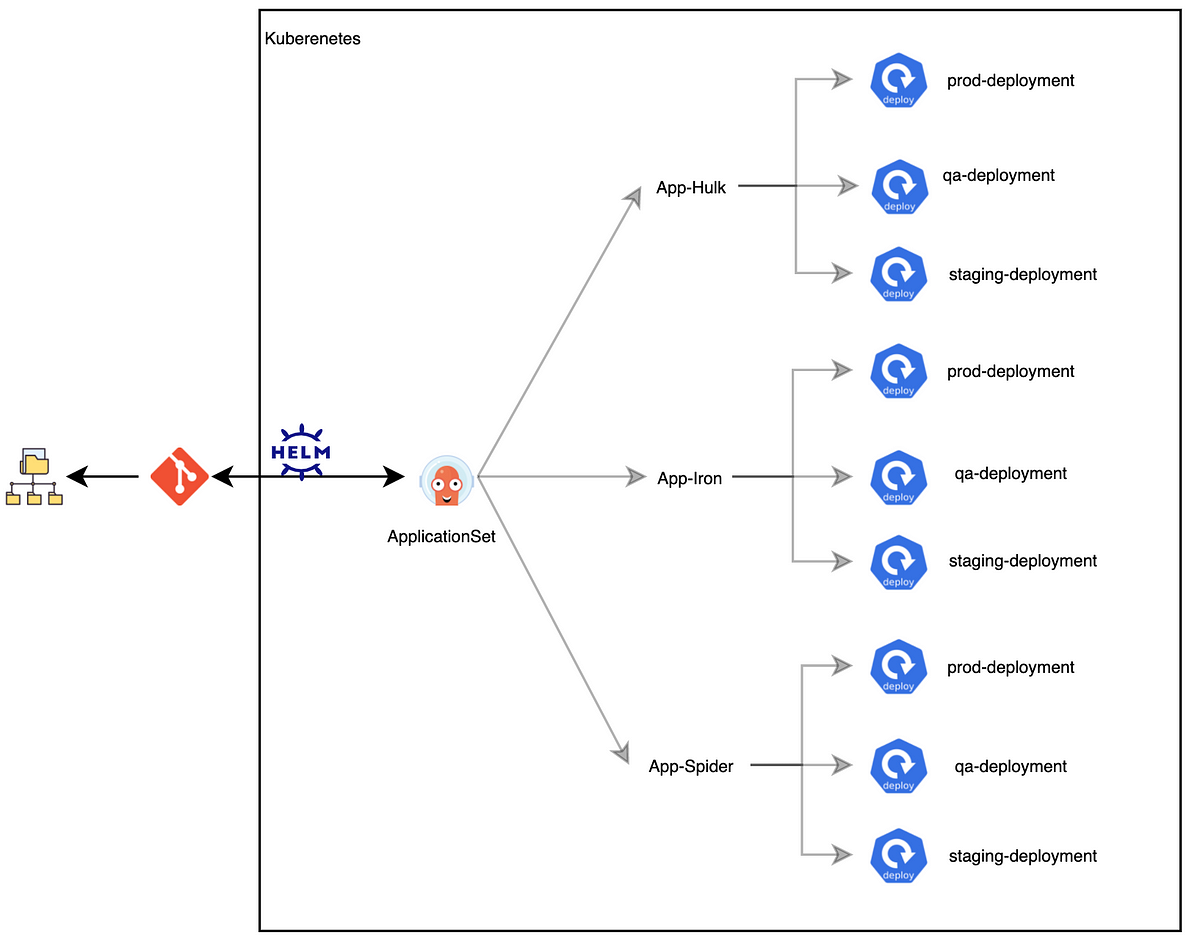
How to create ArgoCD Applications Automatically using ApplicationSet
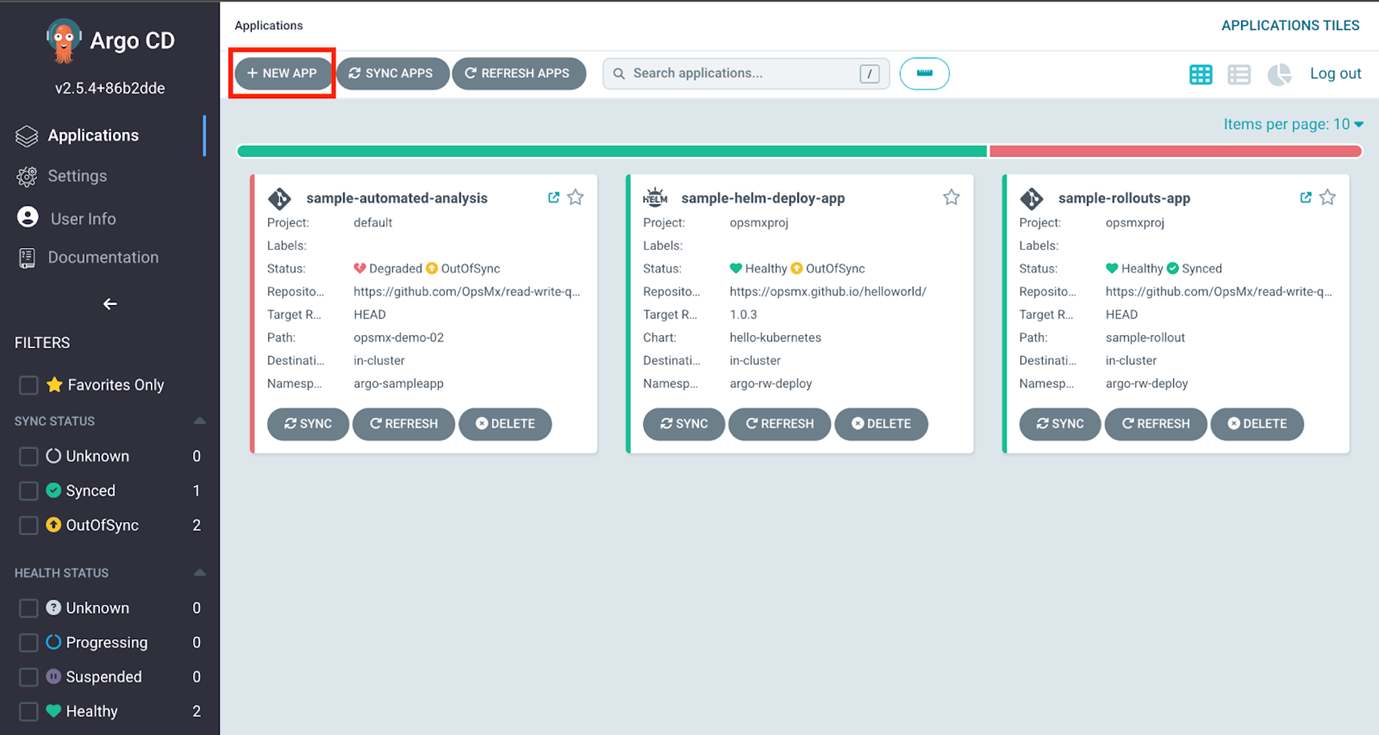
How to create applications in ArgoCD? OpsMx Blog
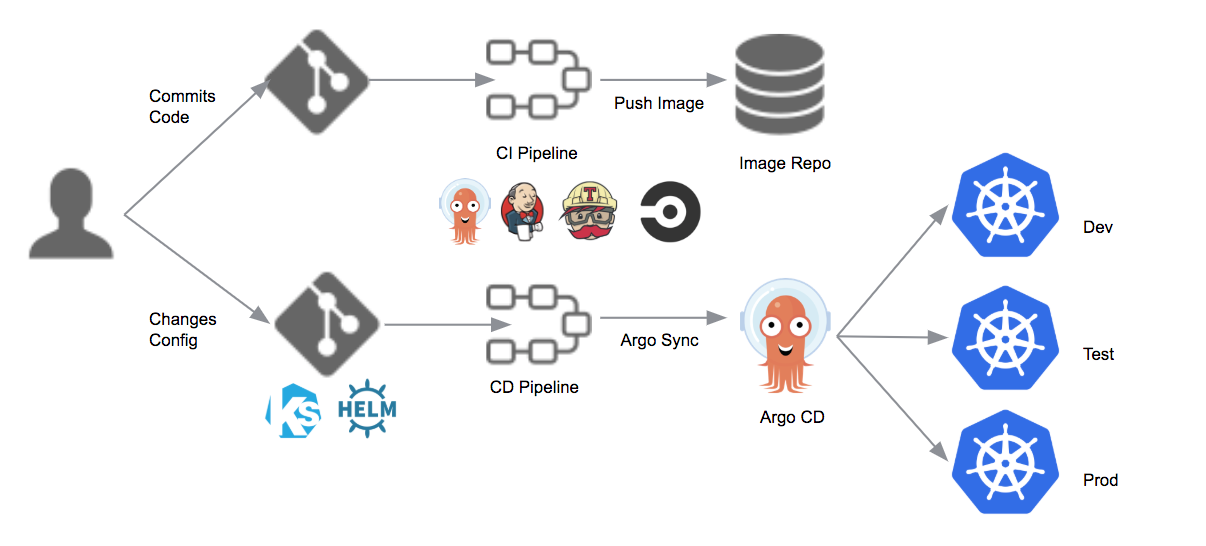
Argocd Template Variables
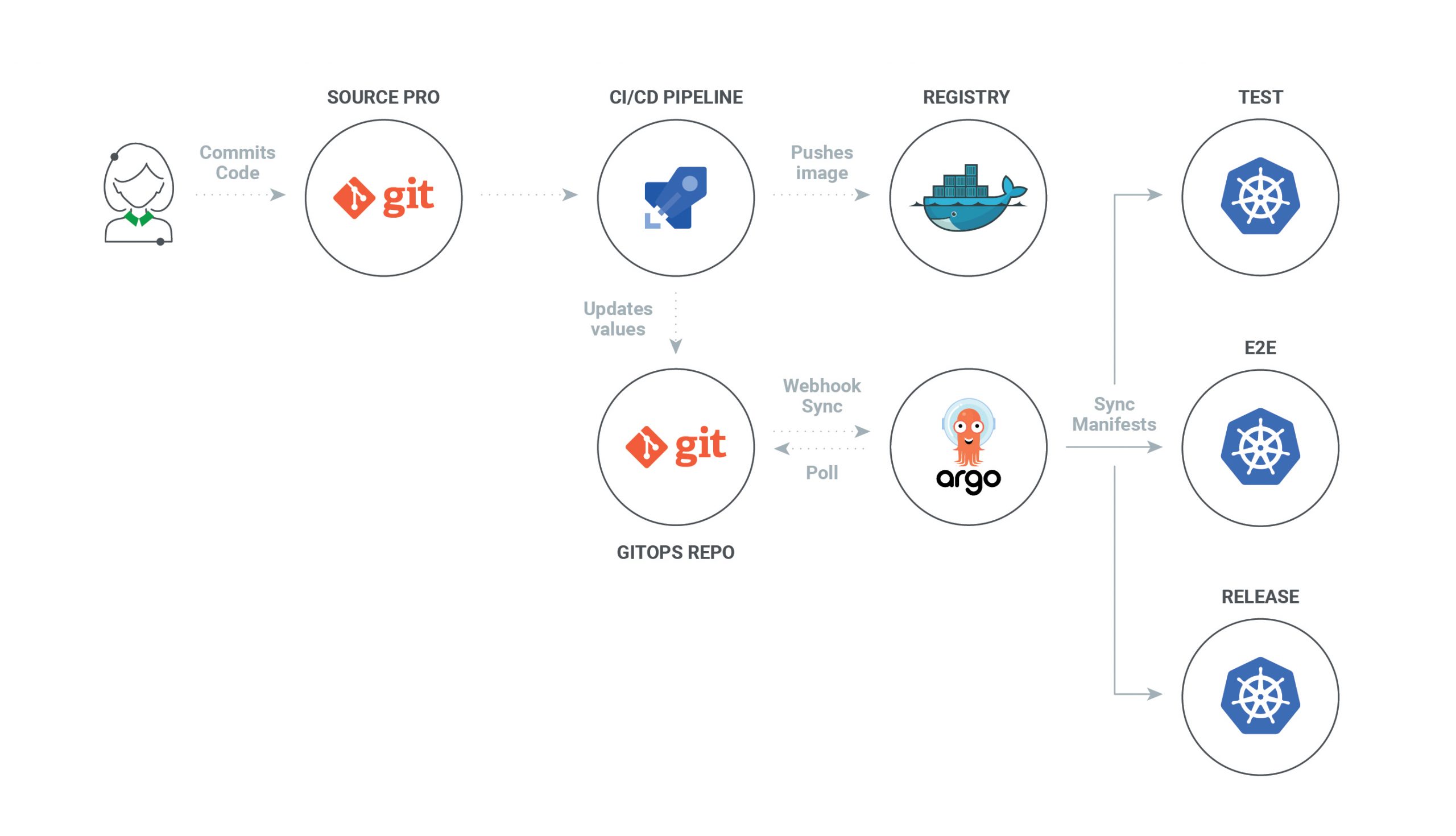
Argocd Template Variables
GitHub lhdisandbox/templatetests8d6e104argocdapplications
This Application Was Chosen For Its Simplicity And Clarity, Making It An Ideal Example For Demonstrating Ci/Cd.
An Argo Cd Application Is Created By Combining The Parameters From The Generator With Fields Of The Template (Via {{Values}}), And From That A Concrete Application Resource Is Produced And.
The Sprig Function Library (Except For Env, Expandenv And.
To Activate This Feature, Add Gotemplate:
Related Post: