
What Is A Dna Template
What Is A Dna Template - Dna template refers to a specific sequence from a dna source (such as genomic dna or cdna derived from rna) that can be obtained from various sample sources, including clinical and. For example, if ribosomes, trnas, and translation factors are derived from. The nontemplate strand is referred. A dna template strand generally refers to the strand which is used by the enzyme dna polymerases and rna polymerases to attach with the. Imagine these as partners in a genetic dance. During pcr, the template dna is. The coding strand, also called the sense strand or the plus strand, is a crucial component of the dna molecule. The template strand, a fundamental component of dna, is pivotal in the intricate process of mrna synthesis, facilitated by the principle of complementary base pairing. The sequence of a, t, c, g nucleotides in a dna. What is the role of dna template? The template strand, or antisense strand, serves as the blueprint for rna. The template strand, a fundamental component of dna, is pivotal in the intricate process of mrna synthesis, facilitated by the principle of complementary base pairing. Dna is a template, transcribed and translated by a common set of mechanisms into just two different kinds of molecule. In transcription, an rna polymerase uses only one strand of dna, called the template strand, of a gene to catalyze synthesis of a complementary, antiparallel rna strand. During pcr, the template dna is. They differ only by a few properties and functions. What is dna template strand? What is template dna in pcr? What is the role of dna template? The sequence of a, t, c, g nucleotides in a dna. Dna’s intricate design includes two fundamental strands: They differ only by a few properties and functions. The coding strand is the dna strand whose base sequence is. A dna template strand generally refers to the strand which is used by the enzyme dna polymerases and rna polymerases to attach with the. The template strand, a fundamental component of dna, is. Dna’s intricate design includes two fundamental strands: The sequence of a, t, c, g nucleotides in a dna. The template strand, also referred to as the antisense strand. The coding strand and the template strand. They differ only by a few properties and functions. Imagine these as partners in a genetic dance. The coding strand and the template strand. The template strand serves as the dna template for. Because of this commonality, molecular biologists tend to use a. In transcription, an rna polymerase uses only one strand of dna, called the template strand, of a gene to catalyze synthesis of a complementary, antiparallel rna. Dna template refers to a specific sequence from a dna source (such as genomic dna or cdna derived from rna) that can be obtained from various sample sources, including clinical and. Imagine these as partners in a genetic dance. During pcr, the template dna is. They differ only by a few properties and functions. Because of this commonality, molecular biologists. The template strand serves as the dna template for. Dna template refers to a specific sequence from a dna source (such as genomic dna or cdna derived from rna) that can be obtained from various sample sources, including clinical and. The enzyme binds to the dna at the. A dna template strand generally refers to the strand which is used. The template strand, also referred to as the antisense strand. Both coding and template strands are distinct strands of a dna structure. What is the role of dna template? Imagine these as partners in a genetic dance. The nontemplate strand is referred. Both coding and template strands are distinct strands of a dna structure. A dna template strand generally refers to the strand which is used by the enzyme dna polymerases and rna polymerases to attach with the. A template strand is the term that refers to the strand used by dna polymerase or rna polymerase to attach complementary bases during dna. What is dna template strand? A dna template facilitates transcription by providing a specific sequence of nucleotides that rna polymerase uses to synthesize messenger rna (mrna). A dna template strand generally refers to the strand which is used by the enzyme dna polymerases and rna polymerases to attach with the. A template strand is the term that refers to the. What is template dna in pcr? This template strand is called the noncoding strand. The coding strand, also called the sense strand or the plus strand, is a crucial component of the dna molecule. A dna template facilitates transcription by providing a specific sequence of nucleotides that rna polymerase uses to synthesize messenger rna (mrna). Imagine these as partners in. The nontemplate strand is referred. It is recommended to design the template dna for specific translation from which the dna is derived. The template strand serves as the dna template for. A dna template facilitates transcription by providing a specific sequence of nucleotides that rna polymerase uses to synthesize messenger rna (mrna). What is template dna in pcr? Imagine these as partners in a genetic dance. In transcription, an rna polymerase uses only one strand of dna, called the template strand, of a gene to catalyze synthesis of a complementary, antiparallel rna strand. The enzyme binds to the dna at the. The template strand, a fundamental component of dna, is pivotal in the intricate process of mrna synthesis, facilitated by the principle of complementary base pairing. It is recommended to design the template dna for specific translation from which the dna is derived. Dna is a template, transcribed and translated by a common set of mechanisms into just two different kinds of molecule. The template strand, or antisense strand, serves as the blueprint for rna. In the polymerase chain reaction (pcr), template dna is the original dna sequence that is used as a template for the synthesis of new dna strands. The dna template is used by rna polymerase to produce a strand of rna with a nucleotide sequence that is the same as the coding strand. A dna template facilitates transcription by providing a specific sequence of nucleotides that rna polymerase uses to synthesize messenger rna (mrna). A dna template strand generally refers to the strand which is used by the enzyme dna polymerases and rna polymerases to attach with the. A template strand is the term that refers to the strand used by dna polymerase or rna polymerase to attach complementary bases during dna replication or rna transcription,. This template strand is called the noncoding strand. What is template dna in pcr? The sequence of a, t, c, g nucleotides in a dna. During pcr, the template dna is.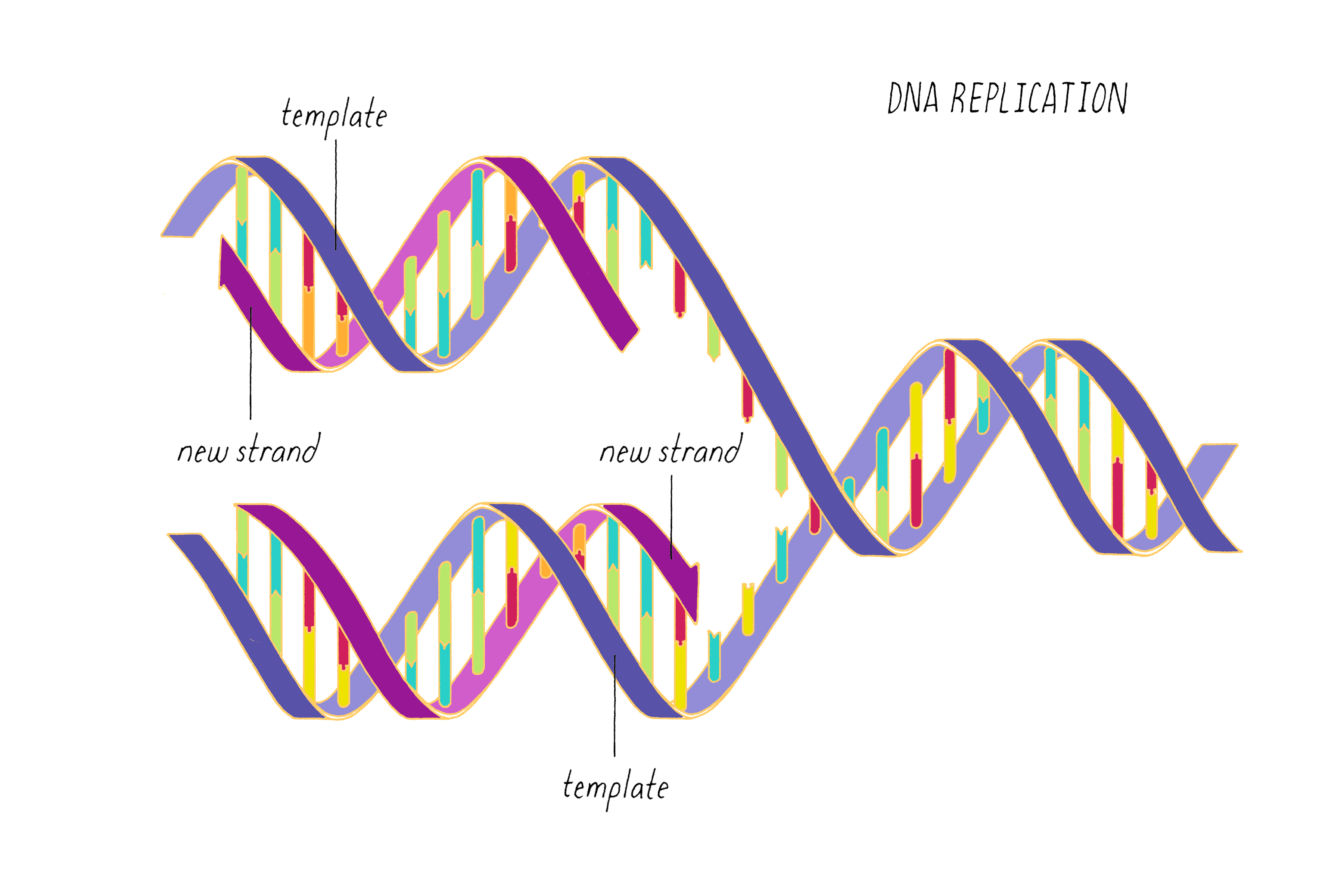
The Structure of DNA by Ron Vale
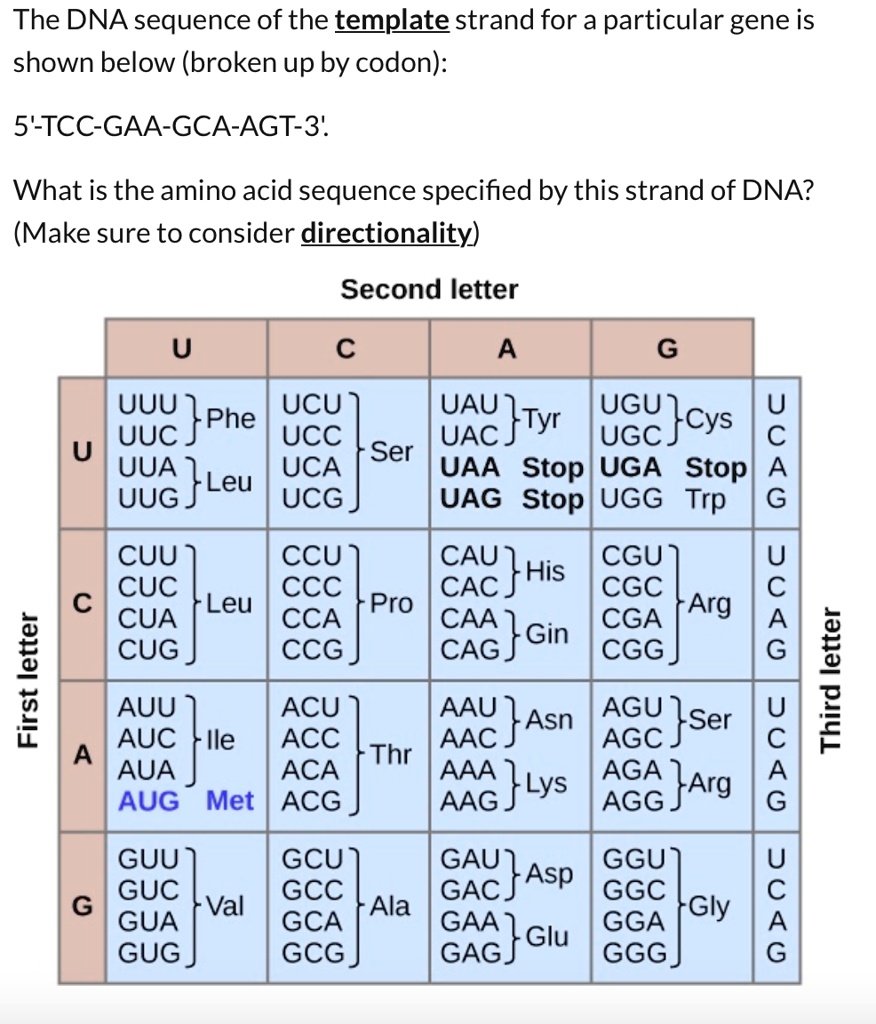
SOLVED The DNA sequence of the template strand for a particular gene

Infographic template with DNA structure for Vector Image
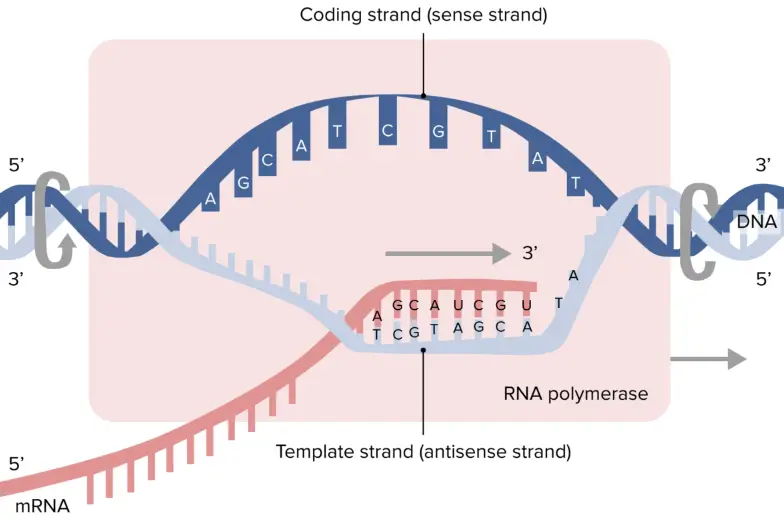
What Is A Template Strand
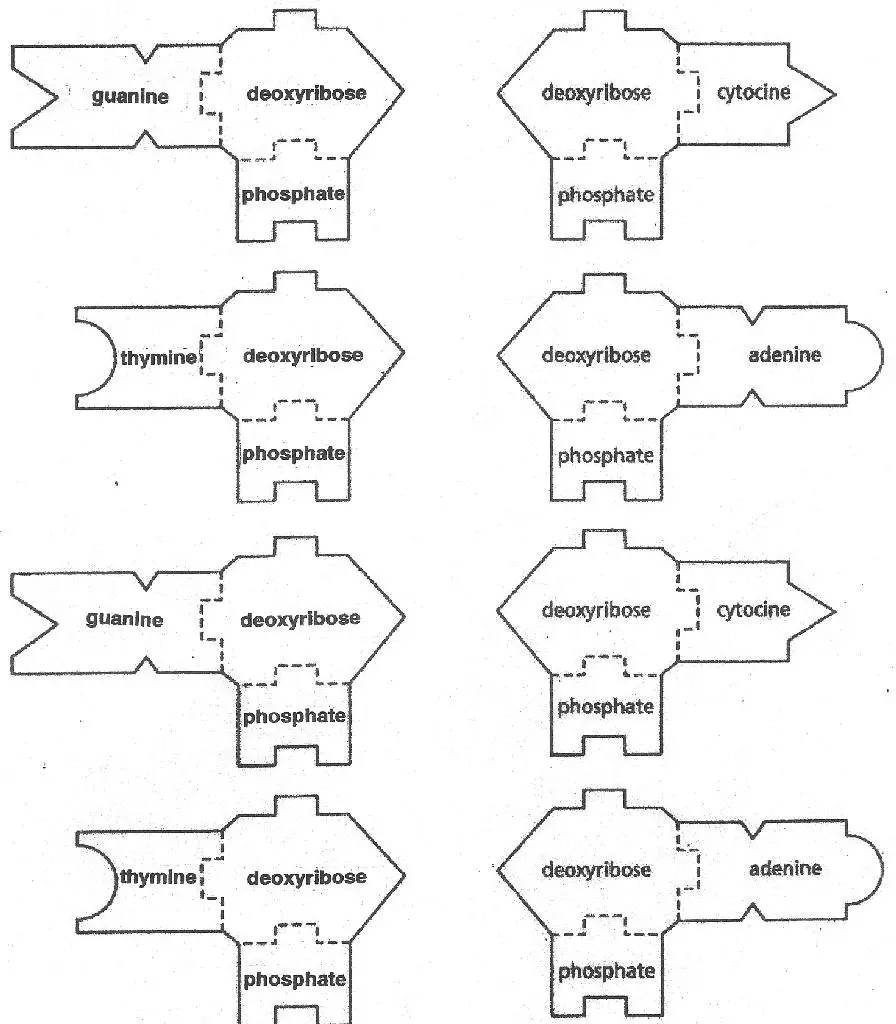
Dna Is Used As A Template For Making
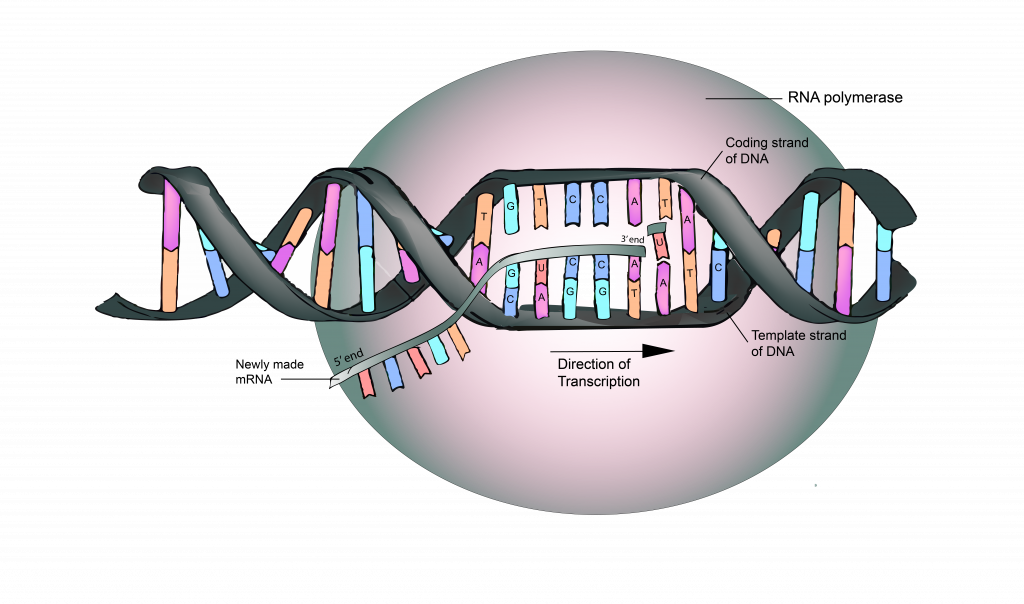
5.4 RNA is Transcribed from a DNA Template The Evolution and Biology
DNA Strands PowerPoint Template SlideModel
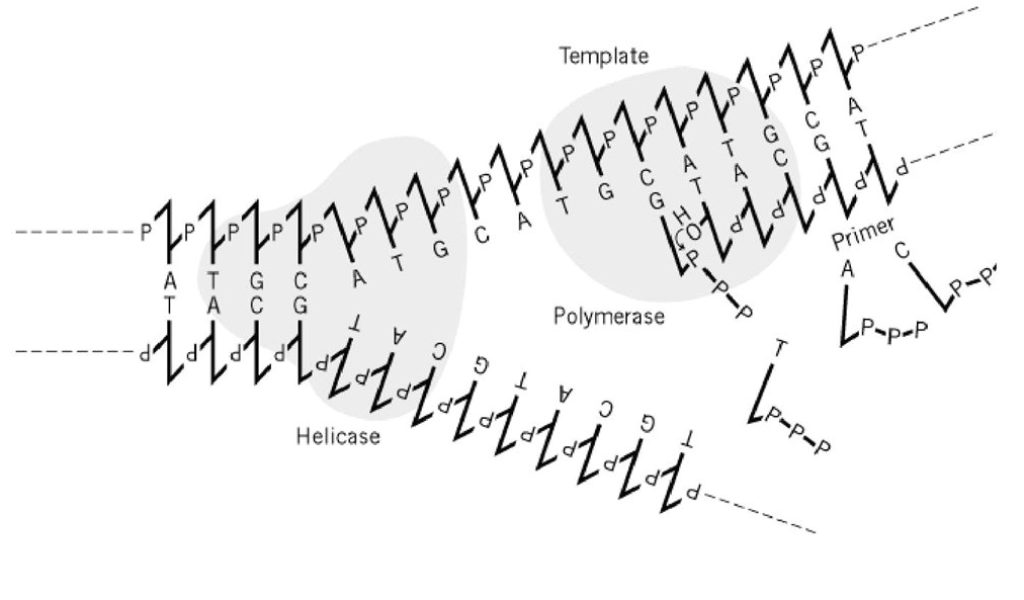
What is A Template In Dna Template Molecular Biology williamsonga.us
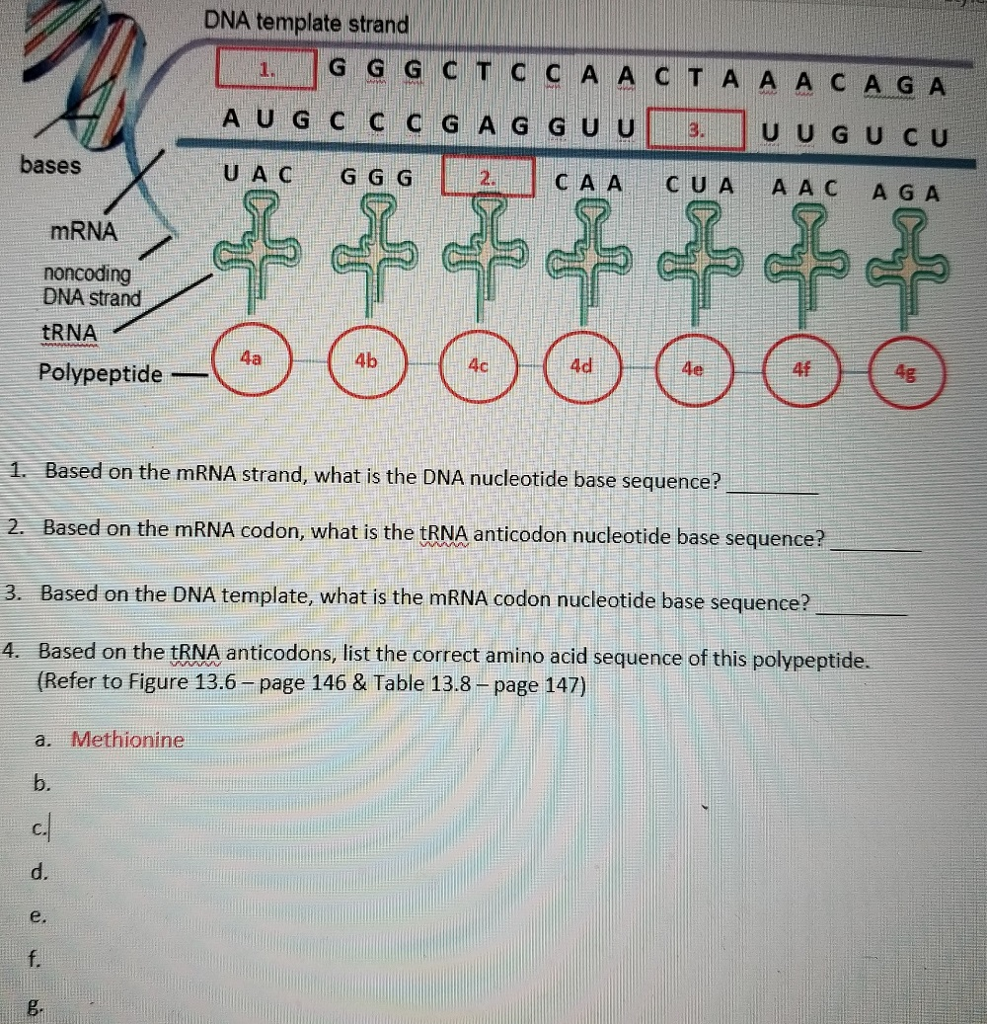
Solved DNA template strand Based on the mRNA strand, what

What Is The Template Strand Of Dna
The Template Strand Serves As The Dna Template For.
What Is Dna Template Strand?
A Template Is Dna That Contains The Target That You Want To Amplify, Where Target Refers To The Specific Region Of Dna.
What Is The Role Of Dna Template?
Related Post: