
What Direction Is The Template Strand Read
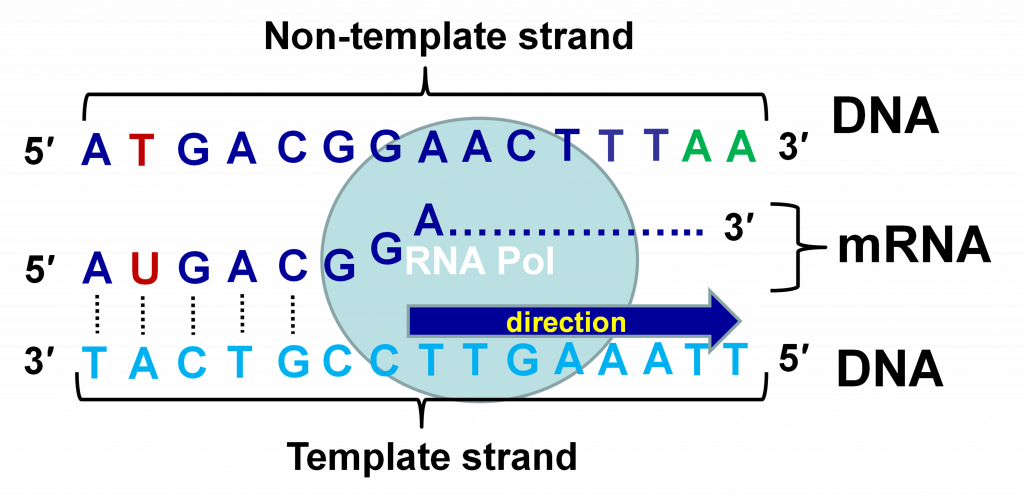
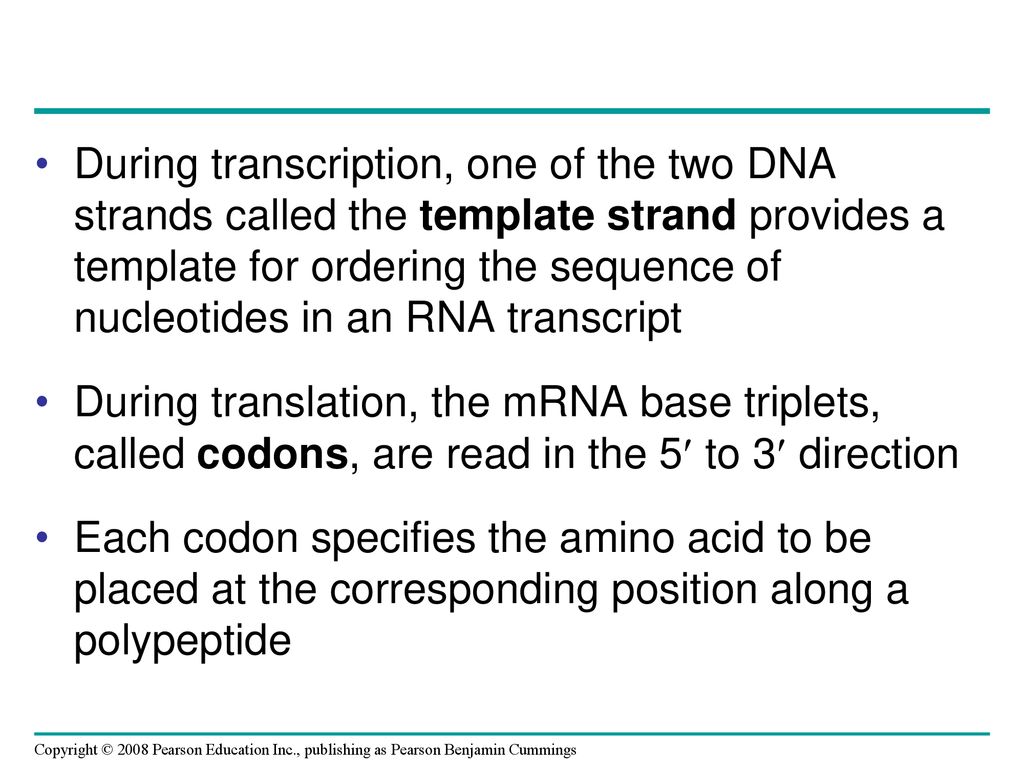
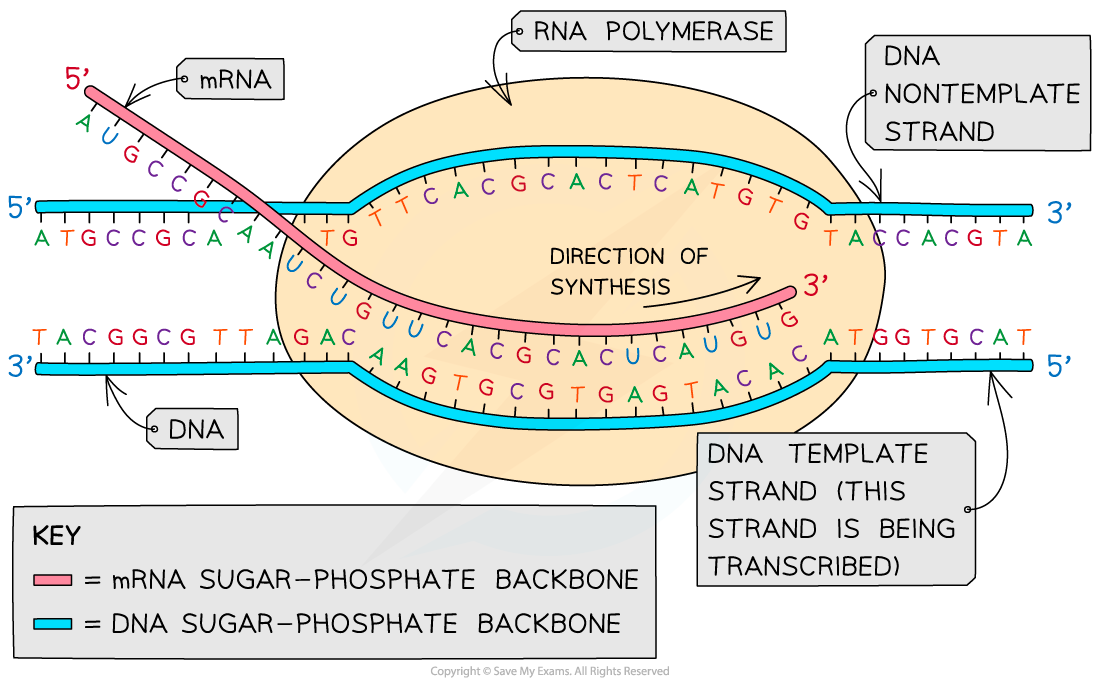
What Direction Is The Template Strand Read - Transcription occurs in the 5′ to 3′ direction. The rna is always built in the 5' to 3' direction, so it always reads the template strand in the 3' to 5' direction. The template strand is the one that rna polymerase interacts with, and it is read from the 3' end to the 5' end. It’s read by rna polymerase in the 3′ to 5′ direction, allowing the enzyme to synthesize a complementary rna strand in the 5′ to 3′ direction. It has a nucleotide base sequence which is complementary to both the coding strands and also to the mrna. The coding strand is read in a 5' to 3' direction, while the template strand is read in a 3' to 5' direction. Analyze the significance of the template. The coding strand functions to determine the correct nucleotide base sequence of the rna strand. The template strand is read in the 3' to 5' direction, and rna polymerase synthesizes the complementary rna molecule in the 5' to 3' direction. This structural difference ensures that the rna transcript is. Analyze the significance of the template. The coding strand is typically located on the 5' to 3' direction, while the template strand is located on the 3' to 5' direction. The template strand is essential for accurate dna replication because it provides the sequence information needed to synthesize a new complementary strand. It has a nucleotide base sequence which is complementary to both the coding strands and also to the mrna. The template strand is the one that rna polymerase interacts with, and it is read from the 3' end to the 5' end. Template strand functions as a base for the rna synthesis. Transcription occurs in the 5′ to 3′ direction. The template strand, also referred to as the antisense strand or the minus strand, plays an important role in rna synthesis. The rna is always built in the 5' to 3' direction, so it always reads the template strand in the 3' to 5' direction. The nucleotides in rna are similar to those. The nucleotides in rna are similar to those. At this point, rna polymerase begins moving down the dna template strand in the 3' to 5' direction, and as it does so, it strings together complementary nucleotides. The coding strand functions to determine the correct nucleotide base sequence of the rna strand. The template strand is the one that rna polymerase. Dna sequences are read in the 5’ to 3’. Transcription occurs in the 5′ to 3′ direction. The template strand is read in the 3' to 5' direction, and rna polymerase synthesizes the complementary rna molecule in the 5' to 3' direction. Analyze the significance of the template. This means that rna polymerase synthesizes the rna strand by adding nucleotides. The template strand is essential for accurate dna replication because it provides the sequence information needed to synthesize a new complementary strand. Analyze the significance of the template. It has a nucleotide base sequence which is complementary to both the coding strands and also to the mrna. The coding strand is read in a 5' to 3' direction, while the. During transcription, the rna polymerase enzyme reads the template strand in a 5' to 3' direction, synthesizing a new rna molecule that is complementary to the template. Analyze the significance of the template. The template strand, also referred to as the antisense strand or the minus strand, plays an important role in rna synthesis. The coding strand is read in. The template strand, also referred to as the antisense strand or the minus strand, plays an important role in rna synthesis. At this point, rna polymerase begins moving down the dna template strand in the 3' to 5' direction, and as it does so, it strings together complementary nucleotides. The coding strand functions to determine the correct nucleotide base sequence. It has a nucleotide base sequence which is complementary to both the coding strands and also to the mrna. The template strand is essential for accurate dna replication because it provides the sequence information needed to synthesize a new complementary strand. This structural difference ensures that the rna transcript is. The template strand is the one that rna polymerase interacts. The template strand is essential for accurate dna replication because it provides the sequence information needed to synthesize a new complementary strand. This means that rna polymerase synthesizes the rna strand by adding nucleotides to the 3′ end of the growing rna molecule. Transcription occurs in the 5′ to 3′ direction. Dna sequences are read in the 5’ to 3’.. The coding strand has the same sequence as the mrna transcript, except for the. The template strand is read in the 3' to 5' direction, and rna polymerase synthesizes the complementary rna molecule in the 5' to 3' direction. At this point, rna polymerase begins moving down the dna template strand in the 3' to 5' direction, and as it. The template strand is the one that rna polymerase interacts with, and it is read from the 3' end to the 5' end. The template strand is read in the 3' to 5' direction, and rna polymerase synthesizes the complementary rna molecule in the 5' to 3' direction. The rna is always built in the 5' to 3' direction, so. The template strand is the one that rna polymerase interacts with, and it is read from the 3' end to the 5' end. The template strand is read in the 3' to 5' direction, and rna polymerase synthesizes the complementary rna molecule in the 5' to 3' direction. It has a nucleotide base sequence which is complementary to both the. Dna sequences are read in the 5’ to 3’. Transcription occurs in the 5′ to 3′ direction. The coding strand functions to determine the correct nucleotide base sequence of the rna strand. The template strand is read in the 3' to 5' direction, and rna polymerase synthesizes the complementary rna molecule in the 5' to 3' direction. The nucleotides in rna are similar to those. Template strand functions as a base for the rna synthesis. The template strand is the one that rna polymerase interacts with, and it is read from the 3' end to the 5' end. The coding strand has the same sequence as the mrna transcript, except for the. The coding strand is typically located on the 5' to 3' direction, while the template strand is located on the 3' to 5' direction. The coding strand, also called the sense strand or the plus strand, is a crucial component of the dna molecule. During transcription, the rna polymerase enzyme reads the template strand in a 5' to 3' direction, synthesizing a new rna molecule that is complementary to the template. The rna is always built in the 5' to 3' direction, so it always reads the template strand in the 3' to 5' direction. The template strand is essential for accurate dna replication because it provides the sequence information needed to synthesize a new complementary strand. The coding strand is read in a 5' to 3' direction, while the template strand is read in a 3' to 5' direction. Using the template strand as a guide, the rna polymerase adds complementary rna nucleotides to synthesize an rna molecule. Analyze the significance of the template.
What Direction Is The Template Strand Read
What Direction Is The Template Strand Read

Template Vs Non Template Strand Web It Is Presented In The 5' To 3

Key Components Of Gene Transcription Diagram Transcription D
What Direction Is The Template Strand Read

Do Now 3.6 (HW check ) Objectives 1. Complete & Review DNA replication

Difference Between Coding And Template Strand, Oriented in a 3’ to 5
Chapter 17 From Gene to Protein. ppt download
CIE A Level Biology复习笔记6.2.4 Transcription翰林国际教育
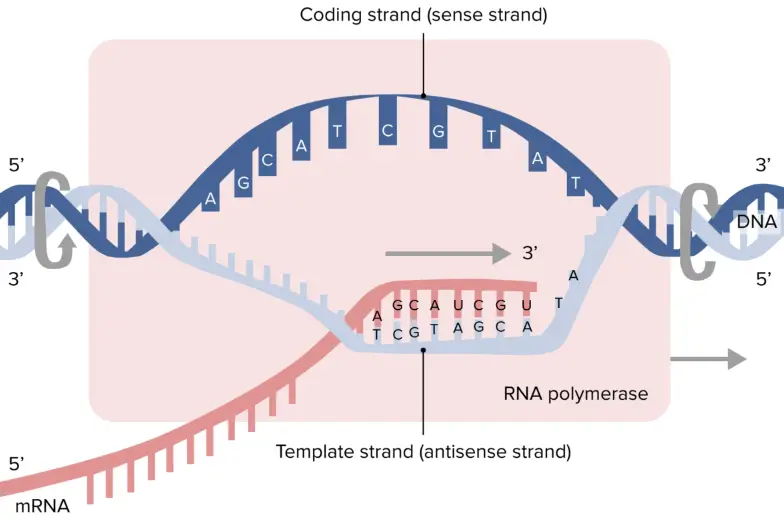
What Is A Template Strand
The Template Strand, Also Referred To As The Antisense Strand Or The Minus Strand, Plays An Important Role In Rna Synthesis.
At This Point, Rna Polymerase Begins Moving Down The Dna Template Strand In The 3' To 5' Direction, And As It Does So, It Strings Together Complementary Nucleotides.
It Has A Nucleotide Base Sequence Which Is Complementary To Both The Coding Strands And Also To The Mrna.
This Means That Rna Polymerase Synthesizes The Rna Strand By Adding Nucleotides To The 3′ End Of The Growing Rna Molecule.
Related Post: