
Template Render
Template Render - In this tutorial, we will delve into the advanced techniques for dynamic rendering in flask templates, including how to use variables, control structures, functions, and more. This deep dive into flask templates covers rendering, inheritance, layouts, variables, control structures, forms, filters, files, and more. The jinja2 template engine supports rendering a template piece by piece, returning an iterator of strings. Within a flask app, templates get rendered using the render_template() function. Rendering templates in flask is a way to generate html dynamically by combining static html content with dynamic data. A template is rendered with specific data to produce a final document. All you have to do is provide the name of the template and the variables you want to pass to the template engine as keyword. Flask uses the jinja template engine, which allows. Flask uses the jinja template library. While templates are essential for rendering web pages in django, they should be used thoughtfully, especially in complex projects with bigger datasets. To render a template, flask provides the. An example project structure for using templates is as follows: All you have to do is provide the name of the template and the variables you want to pass to the template engine as keyword. Within a flask app, templates get rendered using the render_template() function. Flask uses the jinja template engine, which allows. This tells flask to serve up an html template via jinja. Each template comes packed with over 150+. To render a template you can use the render_template() method. In this tutorial, we will delve into the advanced techniques for dynamic rendering in flask templates, including how to use variables, control structures, functions, and more. Templates are files that contain static data as well as placeholders for dynamic data. Video templates for creating stunning videos online with renderforest. Each template comes packed with over 150+. To render a template, flask provides the. Flask lets you use templates for dynamic web page content. All you have to do is provide the name of the template and the variables you want to pass to the template engine as keyword. Flask uses the jinja template library. All you have to do is provide the name of the template and the variables you want to pass to the template engine as keyword. Flask provides the stream_template() and stream_template_string() functions to make. Rendering templates in flask is a way to generate html dynamically by combining static html content with dynamic data. A. Quickly create assets from our collection of meticulously crafted 3d render scenes, designed to showcase your products in captivating detail. To pass variables to flask's render_template function, you can create a dictionary containing the variables you want to pass and then provide this dictionary as keyword. Flask provides the stream_template() and stream_template_string() functions to make. Flask lets you use templates. The jinja2 template engine supports rendering a template piece by piece, returning an iterator of strings. Rendering templates in flask is a way to generate html dynamically by combining static html content with dynamic data. Video templates for creating stunning videos online with renderforest. Flask uses the jinja template engine, which allows. In this tutorial, we will delve into the. Discover hundreds of customizable options, all easily edited in your browser. All you have to do is provide the name of the template and the variables you want to pass to the template engine as keyword. To render a template you can use the render_template() method. To pass variables to flask's render_template function, you can create a dictionary containing the. Quickly create assets from our collection of meticulously crafted 3d render scenes, designed to showcase your products in captivating detail. To render a template, flask provides the. The jinja2 template engine supports rendering a template piece by piece, returning an iterator of strings. Each template comes packed with over 150+. While templates are essential for rendering web pages in django,. A template is rendered with specific data to produce a final document. Flask uses the jinja template library. This tells flask to serve up an html template via jinja. To pass variables to flask's render_template function, you can create a dictionary containing the variables you want to pass and then provide this dictionary as keyword. Flask lets you use templates. Let's update the index() view function in app.py to. Each template comes packed with over 150+. This tells flask to serve up an html template via jinja. Within a flask app, templates get rendered using the render_template() function. Templates are files that contain static data as well as placeholders for dynamic data. While templates are essential for rendering web pages in django, they should be used thoughtfully, especially in complex projects with bigger datasets. Discover hundreds of customizable options, all easily edited in your browser. This tells flask to serve up an html template via jinja. Let's update the index() view function in app.py to. To render a template, flask provides the. Rather than displaying content to the browser as html strings, a more organized way is to render html content with templates. Each template comes packed with over 150+. This deep dive into flask templates covers rendering, inheritance, layouts, variables, control structures, forms, filters, files, and more. Quickly create assets from our collection of meticulously crafted 3d render scenes, designed to. This tells flask to serve up an html template via jinja. To pass variables to flask's render_template function, you can create a dictionary containing the variables you want to pass and then provide this dictionary as keyword. All you have to do is provide the name of the template and the variables you want to pass to the template engine as keyword. Let's update the index() view function in app.py to. The jinja2 template engine supports rendering a template piece by piece, returning an iterator of strings. Rendering templates in flask is a way to generate html dynamically by combining static html content with dynamic data. An example project structure for using templates is as follows: Rather than displaying content to the browser as html strings, a more organized way is to render html content with templates. Flask provides the stream_template() and stream_template_string() functions to make. To render a template you can use the render_template() method. Each template comes packed with over 150+. While templates are essential for rendering web pages in django, they should be used thoughtfully, especially in complex projects with bigger datasets. Quickly create assets from our collection of meticulously crafted 3d render scenes, designed to showcase your products in captivating detail. Discover hundreds of customizable options, all easily edited in your browser. Django’s template language is a flexible, powerful system for rendering dynamic content. This deep dive into flask templates covers rendering, inheritance, layouts, variables, control structures, forms, filters, files, and more.
How to Render Site Plan Architecture / Illustrator + Template YouTube
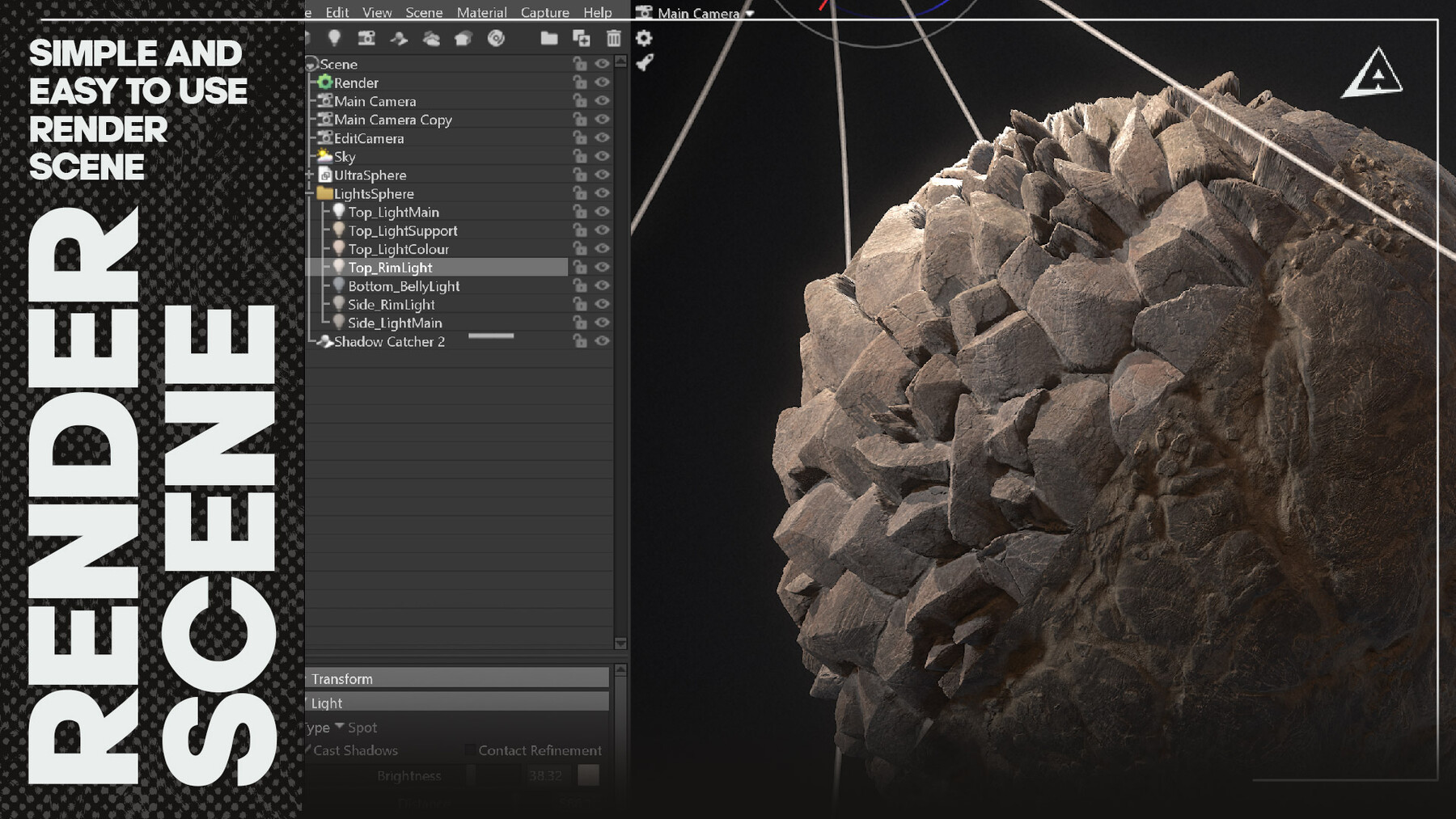
ArtStation Marmoset Materialrender scene template Resources

Blender Template Edit and Rendering YouTube

Template Render
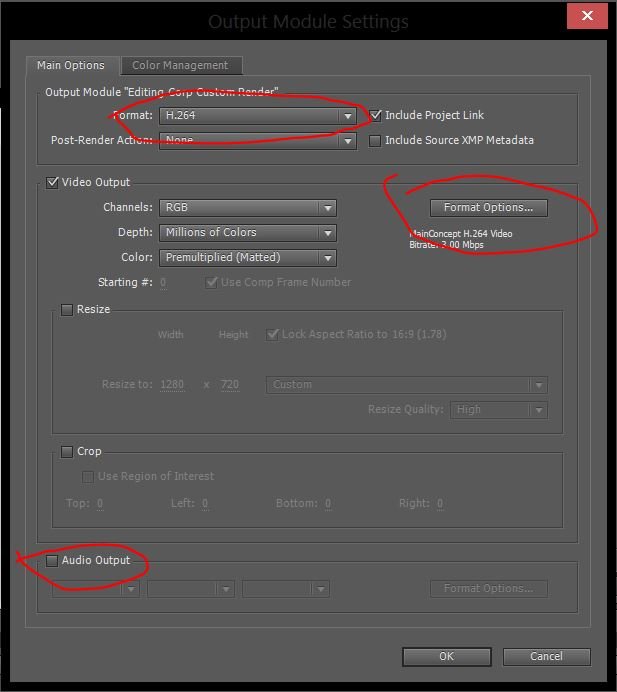
How to Create a Custom Render Template in After Effects
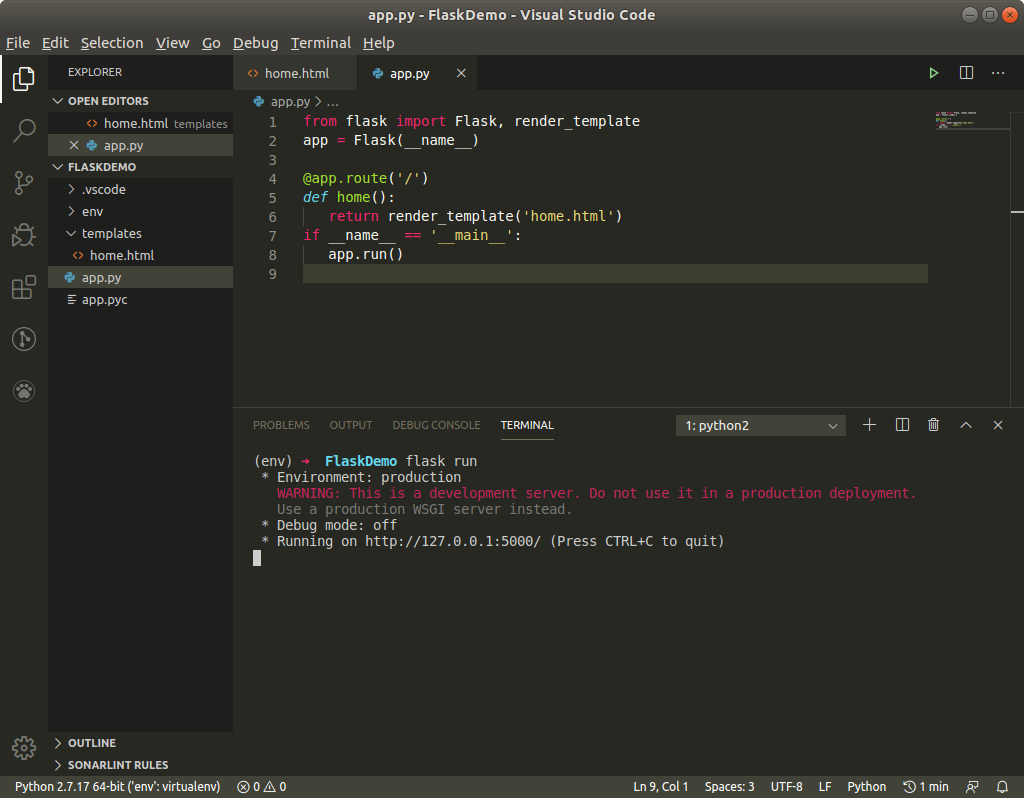
Flask Render Template With Css at Ruby Schiefelbein blog

Template revit perfeito para render Df Projetos

rendering templates Archives The Coohom Blog

Template Render
Template Render
Templates Are Files That Contain Static Data As Well As Placeholders For Dynamic Data.
A Template Is Rendered With Specific Data To Produce A Final Document.
Flask Uses The Jinja Template Library.
In This Tutorial, We Will Delve Into The Advanced Techniques For Dynamic Rendering In Flask Templates, Including How To Use Variables, Control Structures, Functions, And More.
Related Post: