
Template In Dna
Template In Dna - The term template strand refers to the dna sequence that can duplicate itself during mrna synthesis. Can be used as template for in vitro transcription. During transcription, rna polymerase binds. The template strand serves as a mold, allowing rna polymerase to create an rna copy of the dna sequence. It’s the template strand’s complementary sequence that. For an efficient dna replication experiment, it is important to keep the design of the dna template in mind as certain nucleotide or amino acid sequences have the potential to reduce the yield of. A template is dna that contains the target that you want to amplify, where target refers to the specific region of dna. The template strand is essential for the replication of dna, as it provides the template for the synthesis of a new dna strand. Because of this commonality, molecular biologists tend to use a. A dna template strand generally refers to the strand which is used by the enzyme dna polymerases and rna polymerases to attach with the. Primers are short chains of nucleotides which locate the specific target dna of interest and bind to it upon cooling, through. It’s the template strand’s complementary sequence that. Dna template containing the sequence to be transcribed with an upstream rna polymerase promoter site serves as starting material for ivt. Dna templates are essential for accurate transcription and replication, as they ensure that the genetic code is correctly copied and expressed. The template strand is also composed of a sequence of. The template can be derived in. Because of this commonality, molecular biologists tend to use a. Dna template is the dna containing the target sequence. During transcription, rna polymerase binds. Can be used as template for in vitro transcription. Dna is a template, transcribed and translated by a common set of mechanisms into just two different kinds of molecule. Dna templates are essential for accurate transcription and replication, as they ensure that the genetic code is correctly copied and expressed. The template strand, or antisense strand, serves as the blueprint for rna. Primers are short chains of nucleotides which. Dna templates are essential for accurate transcription and replication, as they ensure that the genetic code is correctly copied and expressed. A dna template strand generally refers to the strand which is used by the enzyme dna polymerases and rna polymerases to attach with the. The template strand serves as a mold, allowing rna polymerase to create an rna copy. Can be used as template for in vitro transcription. It’s the template strand’s complementary sequence that. A dna template strand generally refers to the strand which is used by the enzyme dna polymerases and rna polymerases to attach with the. A template is dna that contains the target that you want to amplify, where target refers to the specific region. Because of this commonality, molecular biologists tend to use a. A template is dna that contains the target that you want to amplify, where target refers to the specific region of dna. It’s the template strand’s complementary sequence that. During transcription, rna polymerase binds. Dna templates are essential for accurate transcription and replication, as they ensure that the genetic code. Progress in oligonucleotide sequencing has transformed modern biology and medicine. The template can be derived in. The template strand is also composed of a sequence of. The term template strand refers to the dna sequence that can duplicate itself during mrna synthesis. A dna template strand generally refers to the strand which is used by the enzyme dna polymerases and. Primers are short chains of nucleotides which locate the specific target dna of interest and bind to it upon cooling, through. For an efficient dna replication experiment, it is important to keep the design of the dna template in mind as certain nucleotide or amino acid sequences have the potential to reduce the yield of. The template strand, or antisense. Dna template is the dna containing the target sequence. Primers are short chains of nucleotides which locate the specific target dna of interest and bind to it upon cooling, through. Dna is a template, transcribed and translated by a common set of mechanisms into just two different kinds of molecule. For an efficient dna replication experiment, it is important to. The template strand, or antisense strand, serves as the blueprint for rna. What is dna template strand? During transcription, rna polymerase binds. A dna template strand generally refers to the strand which is used by the enzyme dna polymerases and rna polymerases to attach with the. The template strand is also composed of a sequence of. The template strand is also composed of a sequence of. Dna template is the dna containing the target sequence. A dna template strand generally refers to the strand which is used by the enzyme dna polymerases and rna polymerases to attach with the. During transcription, rna polymerase binds. Dna template containing the sequence to be transcribed with an upstream rna. On the other hand, the. Dna template is the dna containing the target sequence. For an efficient dna replication experiment, it is important to keep the design of the dna template in mind as certain nucleotide or amino acid sequences have the potential to reduce the yield of. The template strand, or antisense strand, serves as the blueprint for rna.. A template is dna that contains the target that you want to amplify, where target refers to the specific region of dna. What is dna template strand? The template strand is essential for the replication of dna, as it provides the template for the synthesis of a new dna strand. For an efficient dna replication experiment, it is important to keep the design of the dna template in mind as certain nucleotide or amino acid sequences have the potential to reduce the yield of. Primers are short chains of nucleotides which locate the specific target dna of interest and bind to it upon cooling, through. The term template strand refers to the dna sequence that can duplicate itself during mrna synthesis. The template strand serves as a mold, allowing rna polymerase to create an rna copy of the dna sequence. Because of this commonality, molecular biologists tend to use a. Progress in oligonucleotide sequencing has transformed modern biology and medicine. Dna template containing the sequence to be transcribed with an upstream rna polymerase promoter site serves as starting material for ivt. Dna is a template, transcribed and translated by a common set of mechanisms into just two different kinds of molecule. Can be used as template for in vitro transcription. It’s the template strand’s complementary sequence that. On the other hand, the. Dna template is the dna containing the target sequence. During transcription, rna polymerase binds.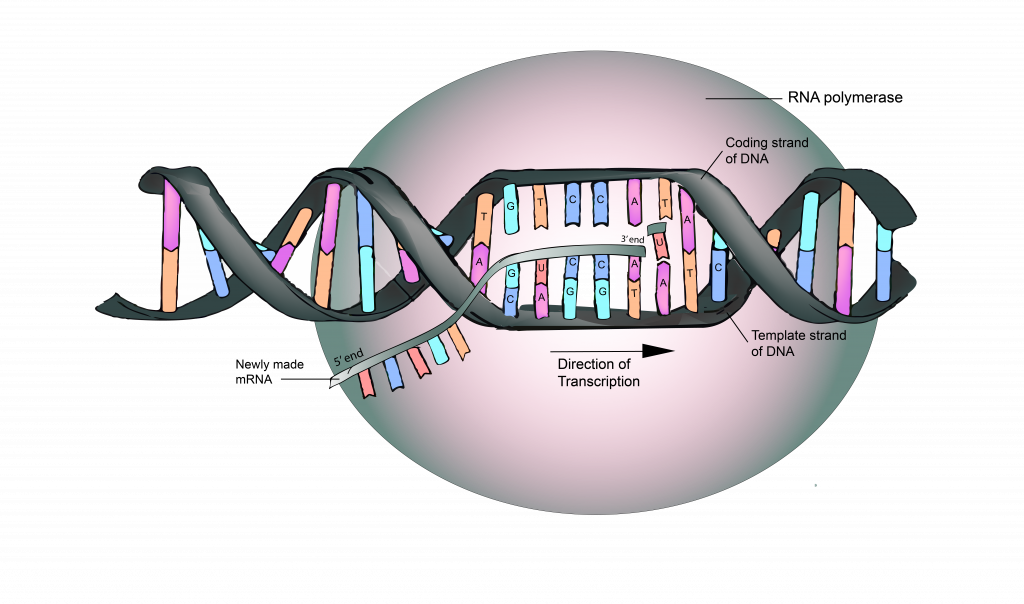
5.4 RNA is Transcribed from a DNA Template The Evolution and Biology
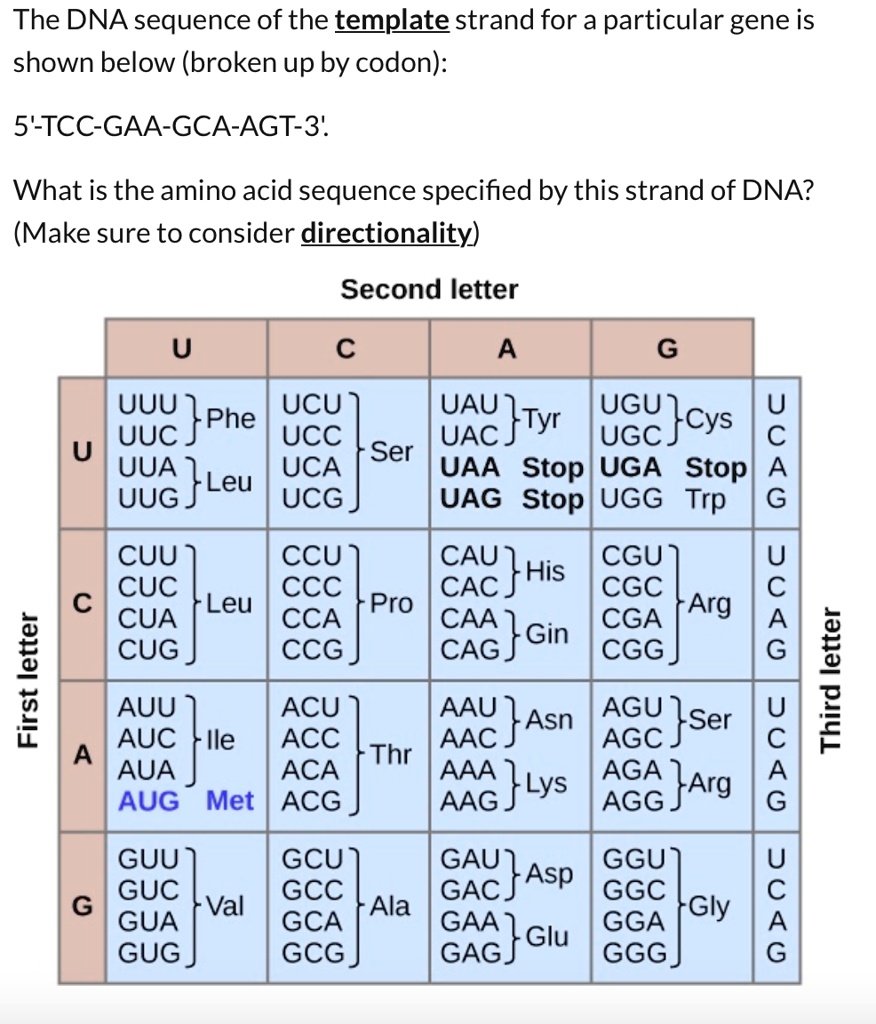
SOLVED The DNA sequence of the template strand for a particular gene
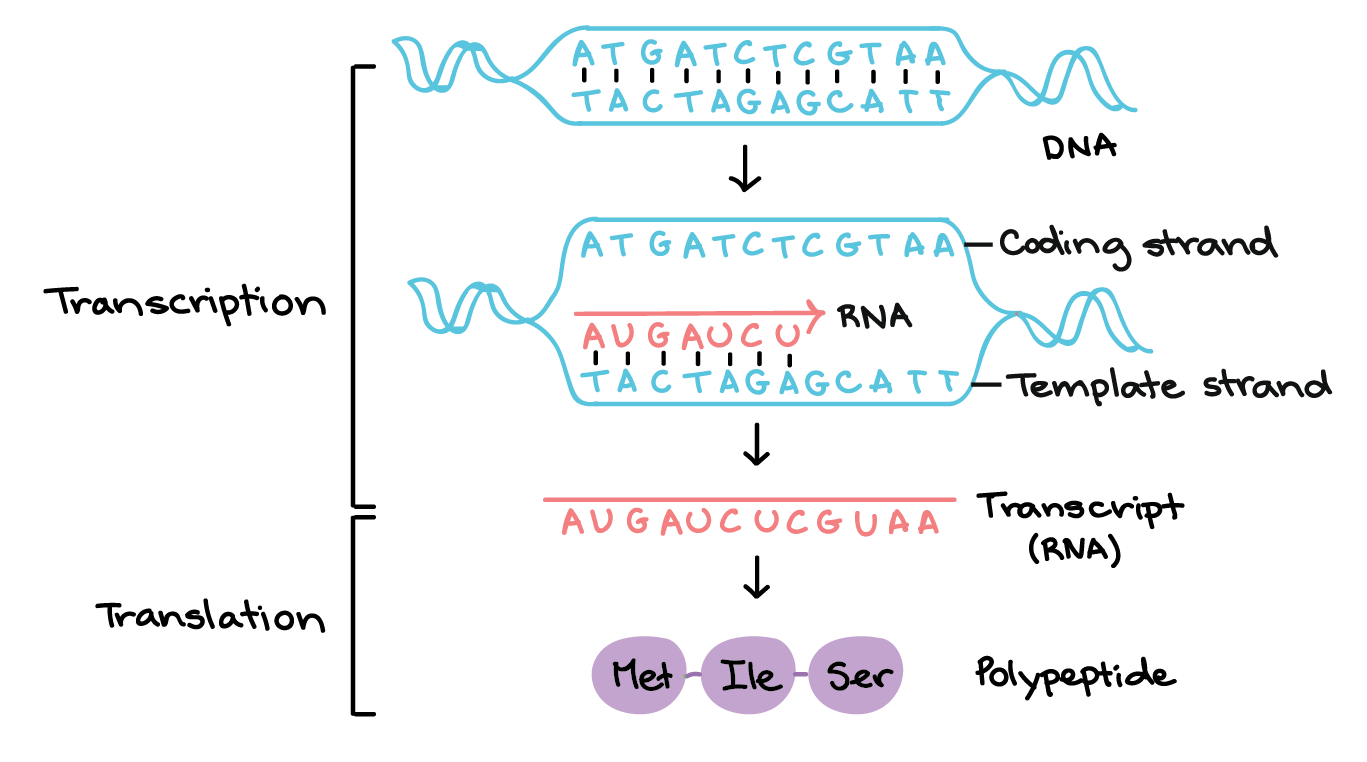
Dna Coding And Template Strands
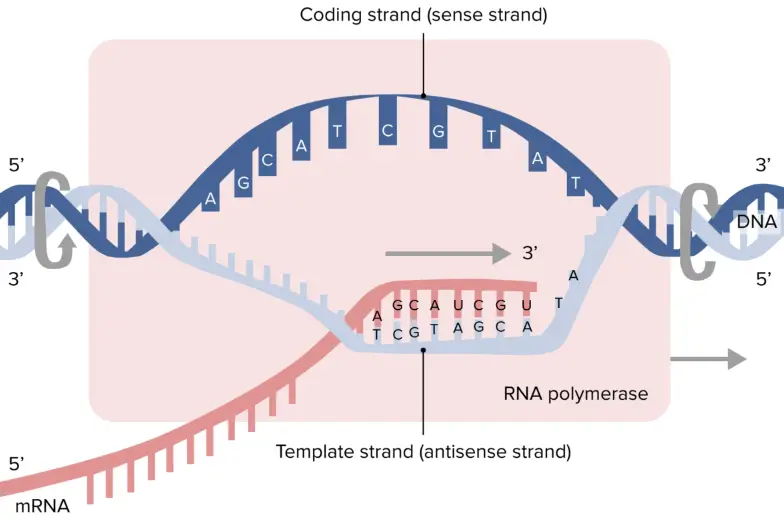
What Is A Template Strand
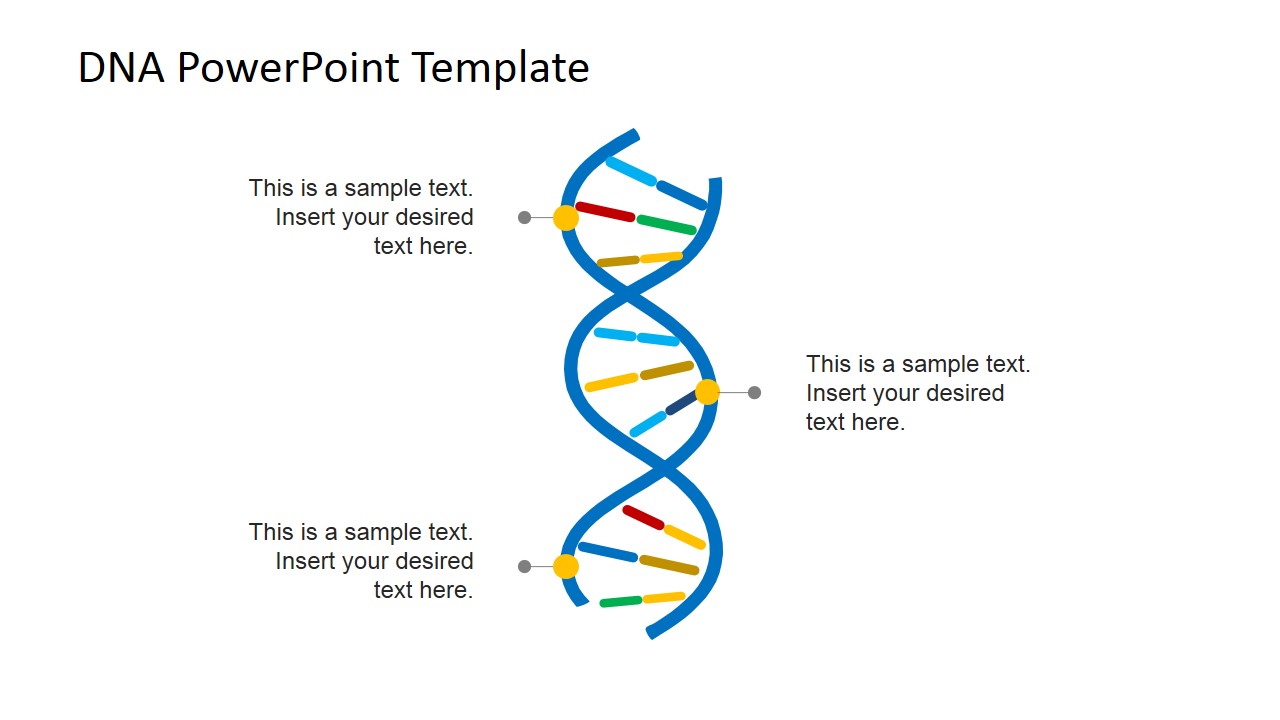
DNA Strands PowerPoint Template SlideModel
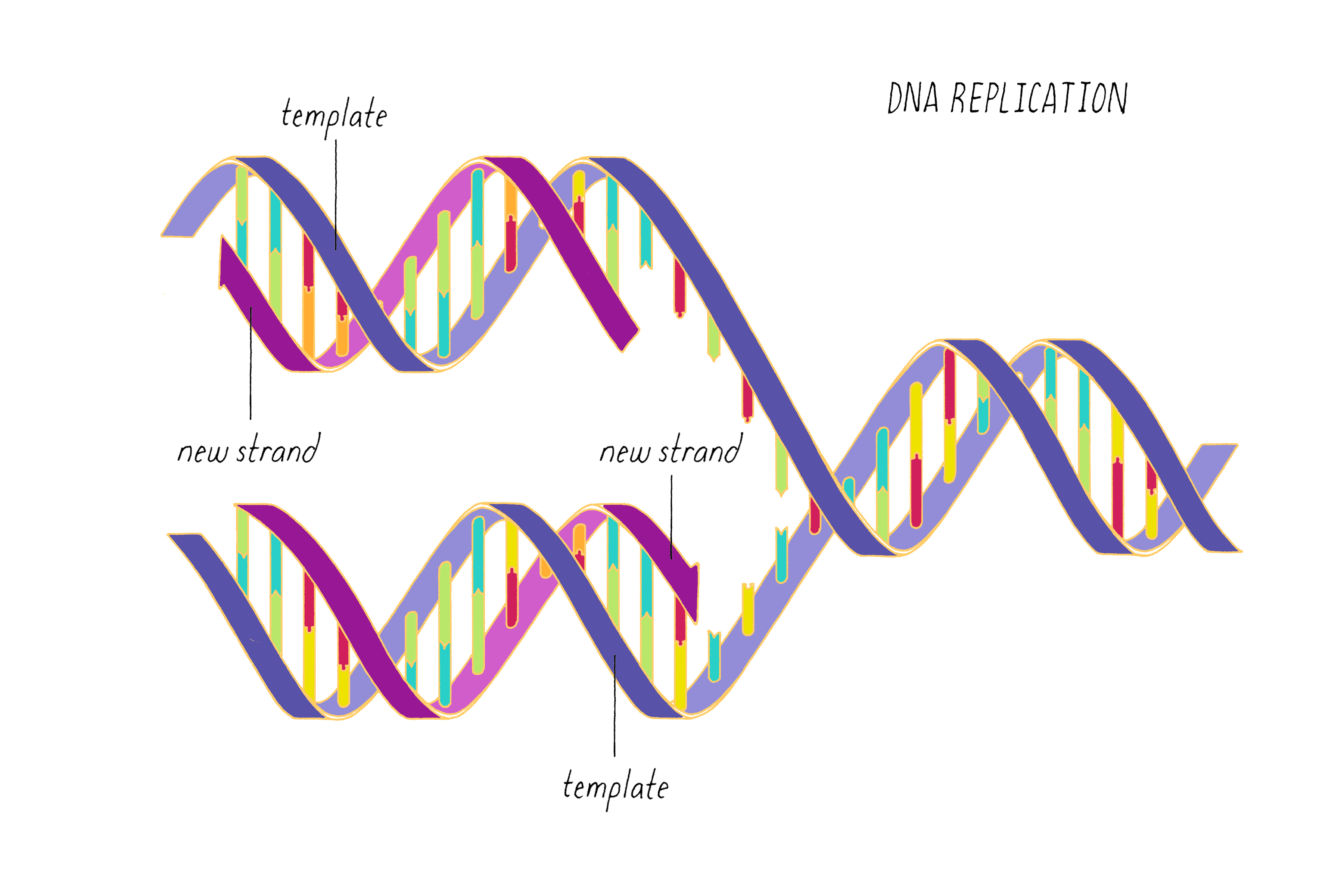
The Structure of DNA by Ron Vale

Infographic template with DNA structure for Vector Image

What Is The Template Strand Of Dna
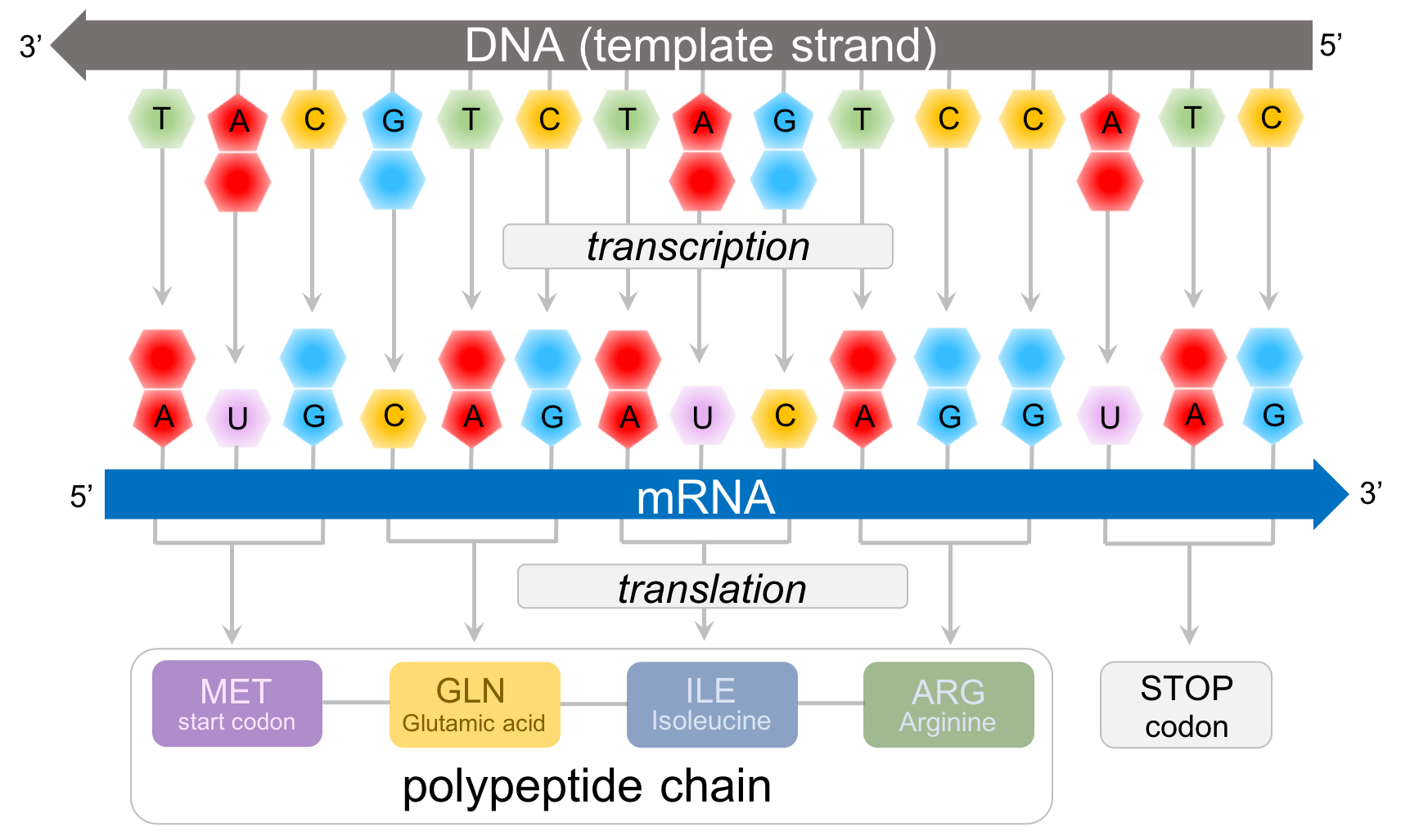
Chapter The Code — The Biology Primer
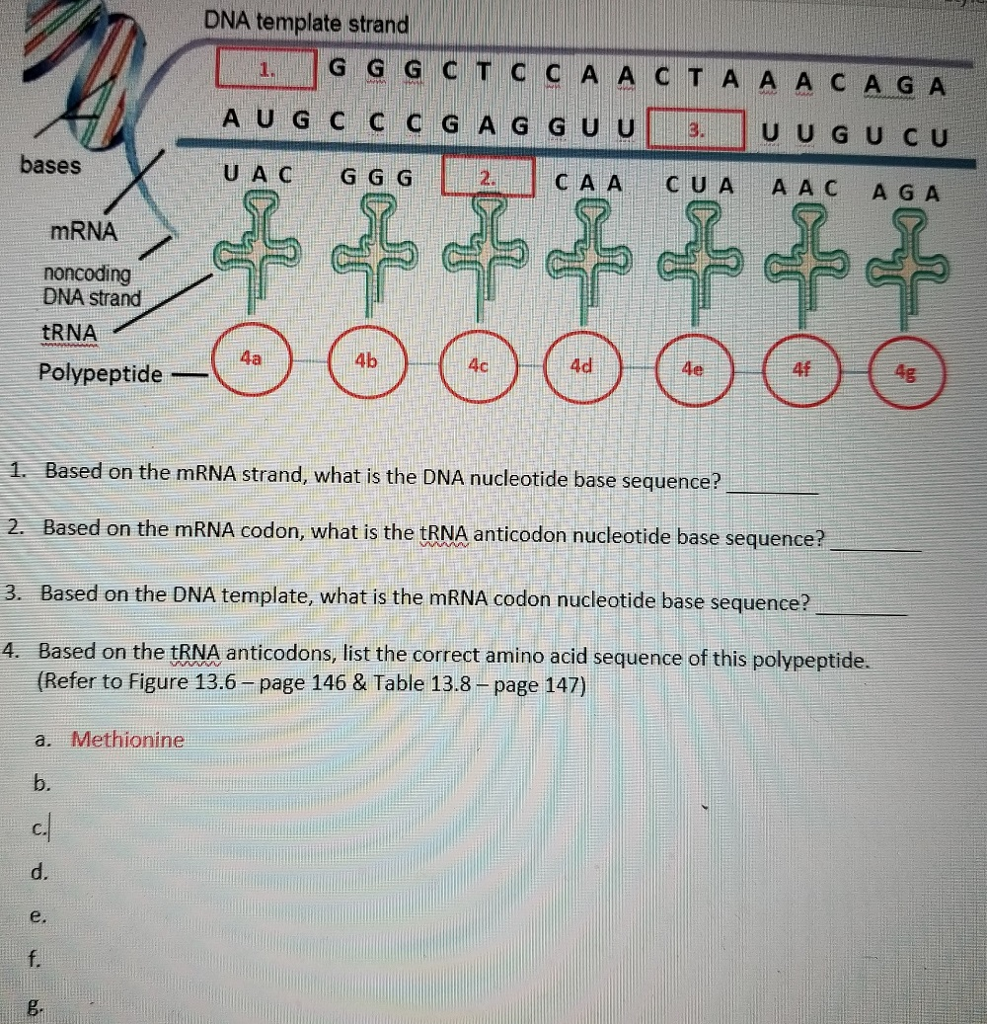
Solved DNA template strand Based on the mRNA strand, what
A Dna Template Strand Generally Refers To The Strand Which Is Used By The Enzyme Dna Polymerases And Rna Polymerases To Attach With The.
The Template Strand, Or Antisense Strand, Serves As The Blueprint For Rna.
Dna Templates Are Essential For Accurate Transcription And Replication, As They Ensure That The Genetic Code Is Correctly Copied And Expressed.
The Template Strand Is Also Composed Of A Sequence Of.
Related Post: