
Nih Vertebrate Animals Template
Nih Vertebrate Animals Template - Worksheet for review of the vertebrate animal section (vas) this worksheet is provided to assist applicants in preparing the vas for submission to the nih, and as guidance to. Animals will be examined to confirm death before tissue is collected. It provides an overview of the requirements, a checklist for applicants and reviewers, detailed instructions, responsibilities of applicants, reviewers and nih staff, and an example of an. You must provide a vas if your work involves the use of live vertebrate animals, including generating custom antibodies and obtaining tissue from live vertebrate animals. The nih office of laboratory animal welfare has put together a helpful fact sheet. Vertebrate animals in the work outlined in the request for proposal (rfp) statement of work. Identify the species, strains, ages, sex and total number of animals by species to be used in. You must provide a vas if your work involves the use of live vertebrate animals, including generating custom antibodies and obtaining tissue from live vertebrate animals. This page explains how principal investigators using live vertebrate animals should adhere to nih requirements, prepare applications, and manage grants. The following guidance is provided to assist applicants and offerors in preparing the vertebrate animals section (vas) for submission to the nih, and to assist reviewers in evaluating the. The nih office of laboratory animal welfare has put together a helpful fact sheet. This optional worksheet includes detailed instructions for completion of the section, an overview of applicant and reviewer responsibilities, and an example of an acceptable. Method of euthanasia is consistent with the most recent edition of the american veterinary medical association. The following guidance is provided to assist applicants and offerors in preparing the vertebrate animals section (vas) for submission to the nih, and to assist reviewers in evaluating the. Identify all project performance (or collaborating) sites and describe the proposed research activities with vertebrate animals that will be conducted at those sites. Worksheet for review of the vertebrate animal section (vas) this worksheet is provided to assist applicants in preparing the vas for submission to the nih, and as guidance to. Animals will be examined to confirm death before tissue is collected. It provides an overview of the requirements, applicant and reviewer responsibilities, a checklist, detailed instructions, and an example of an acceptable vas. The guide sets forth the expectation that even if vertebrate animal. This page explains how principal investigators using live vertebrate animals should adhere to nih requirements, prepare applications, and manage grants. It provides an overview of the requirements, a checklist for applicants and reviewers, detailed instructions, responsibilities of applicants, reviewers and nih staff, and an example of an. It provides an overview of the requirements, applicant and reviewer responsibilities, a checklist, detailed instructions, and an example of an acceptable vas. Method of euthanasia is consistent with the most recent edition of. The nih office of laboratory animal welfare (olaw) has very helpful additional resources, explanations, and examples, for complying with nih’s policies on the care and use of. For applications involving human subjects or vertebrate animals, also evaluate: Identify all project performance (or collaborating) sites and describe the proposed research activities with vertebrate animals that will be conducted at those sites.. Vertebrate animals section for mice. You must provide a vas if your work involves the use of live vertebrate animals, including generating custom antibodies and obtaining tissue from live vertebrate animals. This optional worksheet includes detailed instructions for completion of the section, an overview of applicant and reviewer responsibilities, and an example of an acceptable. Animals will be examined to. Vertebrate animals section for mice. You must provide a vas if your work involves the use of live vertebrate animals, including generating custom antibodies and obtaining tissue from live vertebrate animals. Worksheet for review of the vertebrate animal section (vas) this worksheet is provided to assist applicants in preparing the vas for submission to the nih, and as guidance to.. Identify all project performance (or collaborating) sites and describe the proposed research activities with vertebrate animals that will be conducted at those sites. For applications involving human subjects or vertebrate animals, also evaluate: Method of euthanasia is consistent with the most recent edition of the american veterinary medical association. It provides an overview of the requirements, applicant and reviewer responsibilities,. Vertebrate animals section for mice. Olaw has high standards for ensuring the appropriate care and welfare of vertebrate animals. You must provide a vas if your work involves the use of live vertebrate animals, including generating custom antibodies and obtaining tissue from live vertebrate animals. You must provide a vas if your work involves the use of live vertebrate animals,. The guide sets forth the expectation that even if vertebrate animal. Vertebrate animals section for mice. Identify the species, strains, ages, sex and total number of animals by species to be used in. Identify all project performance (or collaborating) sites and describe the proposed research activities with vertebrate animals that will be conducted at those sites. It provides an overview. Vertebrate animals section for mice. You must provide a vas if your work involves the use of live vertebrate animals, including generating custom antibodies and obtaining tissue from live vertebrate animals. This optional worksheet includes detailed instructions for completion of the section, an overview of applicant and reviewer responsibilities, and an example of an acceptable. It provides an overview of. The rigor of the intervention or study manipulation (if applicable to the study design). Identify the species, strains, ages, sex and total number of animals by species to be used in. Identify all project performance (or collaborating) sites and describe the proposed research activities with vertebrate animals that will be conducted at those sites. You must provide a vas if. The rigor of the intervention or study manipulation (if applicable to the study design). This optional worksheet includes detailed instructions for completion of the section, an overview of applicant and reviewer responsibilities, and an example of an acceptable. Worksheet for review of the vertebrate animal section (vas) this worksheet is provided to assist applicants in preparing the vas for submission. Identify all project performance (or collaborating) sites and describe the proposed research activities with vertebrate animals that will be conducted at those sites. It provides an overview of the requirements, a checklist for applicants and reviewers, detailed instructions, responsibilities of applicants, reviewers and nih staff, and an example of an. You must provide a vas if your work involves the use of live vertebrate animals, including generating custom antibodies and obtaining tissue from live vertebrate animals. The nih office of laboratory animal welfare has put together a helpful fact sheet. The guide sets forth the expectation that even if vertebrate animal. The rigor of the intervention or study manipulation (if applicable to the study design). Animals will be examined to confirm death before tissue is collected. The following guidance is provided to assist applicants and offerors in preparing the vertebrate animals section (vas) for submission to the nih, and to assist reviewers in evaluating the. It provides an overview of the requirements, applicant and reviewer responsibilities, a checklist, detailed instructions, and an example of an acceptable vas. It provides an overview of the requirements, applicant and reviewer responsibilities, a checklist, detailed instructions, and an example of an acceptable vas. For applications involving human subjects or vertebrate animals, also evaluate: You must provide a vas if your work involves the use of live vertebrate animals, including generating custom antibodies and obtaining tissue from live vertebrate animals. Olaw has high standards for ensuring the appropriate care and welfare of vertebrate animals. The nih office of laboratory animal welfare (olaw) has very helpful additional resources, explanations, and examples, for complying with nih’s policies on the care and use of. Method of euthanasia is consistent with the most recent edition of the american veterinary medical association. You must provide a vas if your work involves the use of live vertebrate animals, including generating custom antibodies and obtaining tissue from live vertebrate animals.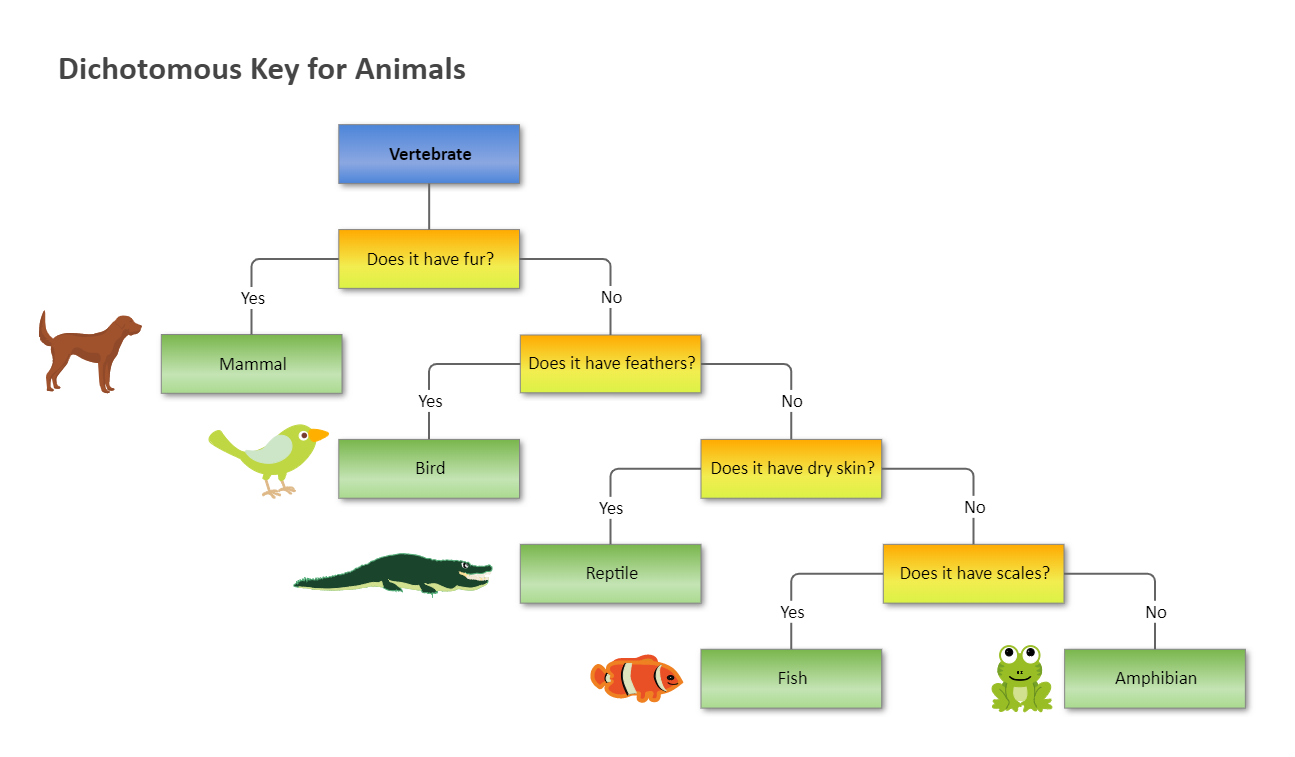
Vertebrate Dichotomous Key EdrawMax Templates

Animals Vertebrates Info Sheet Graphic by Charm Creatives · Creative

Dichotomous Key for Vertebrate Animals EdrawMax Editable Template
Illustrated Vertebrate And Invertebrate Animals. Free Presentation
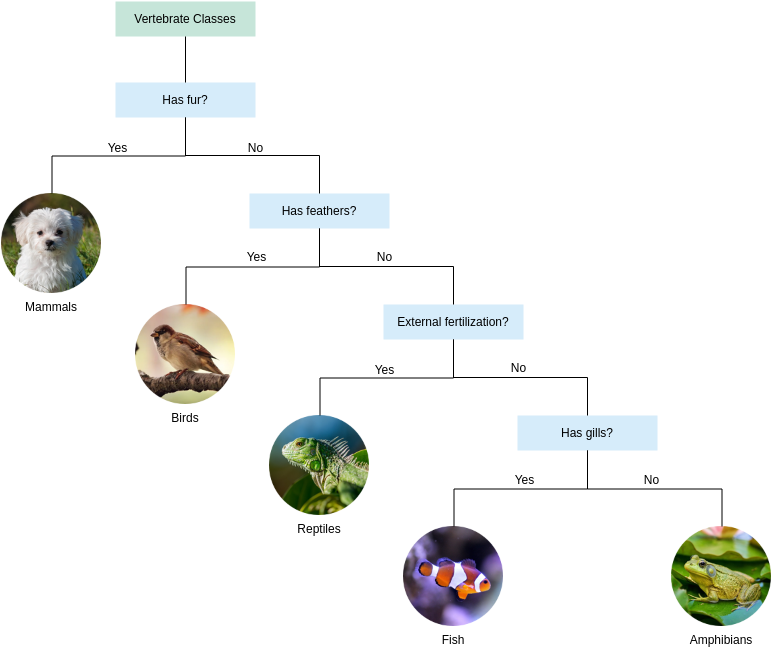
Vertebrate Classification (With Images) Dichotomous Key Template

Free Animal Google Slides themes and PowerPoint templates

www.niaid.nih.govresearchvertebrateanimalsResearch Using Vertebrate

Classification of Vertebrate Animals I Google Slides & PowerPoint

NIH Vertebrate Animal Section Template

Fillable Online Worksheet for Review of the Vertebrate Animal Section
This Optional Worksheet Includes Detailed Instructions For Completion Of The Section, An Overview Of Applicant And Reviewer Responsibilities, And An Example Of An Acceptable.
Identify All Project Performance (Or Collaborating) Sites And Describe The Proposed Research Activities With Vertebrate Animals That Will Be Conducted At Those Sites.
Vertebrate Animals In The Work Outlined In The Request For Proposal (Rfp) Statement Of Work.
This Page Explains How Principal Investigators Using Live Vertebrate Animals Should Adhere To Nih Requirements, Prepare Applications, And Manage Grants.
Related Post: