
If Else Helms Template Compare Strings Arguments
If Else Helms Template Compare Strings Arguments - Also, the eq fails if you compare a bool and a string, so you must convert it. One of helm’s most powerful features is flow control during a template's. And and ne are functions in go templates. In this blog, you’ll see how to use conditional blocks (if/else) for flow. The outer conditional is trickier. The easiest is to set the value to empty string, that evaluates as false in the if. We can use the eq or 'equals' function to check if a value matches another predefined value: Discover 10 effective tips for comparing strings using if/else statements in helm templates. This guide offers practical techniques, troubleshooting advice, and common. In this article, we will explore how to effectively compare values in helm templates while integrating it into broader kubernetes application management strategies, including ai. I want to loop through a values file to create a namespace and a networkpolicy in/for that namespace, except for default. Also, the eq fails if you compare a bool and a string, so you must convert it. I only want to create the policy and not the namespace for. For a long value like this one thing that can help is to use the standard template with operator, which both acts like an if instruction and also temporarily rebinds the. In helm templates, you can compare values by leveraging if statements. Discover 10 effective tips for comparing strings using if/else statements in helm templates. If x is truthy, then use its value, otherwise use y is what the helm (sprig) default function does. We can do that by calling the quote function in the template. {{ if.values.somekey }} # render this block if somekey is true {{ else }} # render. In this blog, you’ll see how to use conditional blocks (if/else) for flow. When injecting strings from the.values object into the template, we ought to quote these strings. This guide will focus on how to compare values in helm templates while also intertwining relevant concepts such as enterprise use of ai, the aisera llm gateway, api. Learn how to use the semvercompare function in helm templates to compare two semantic version strings and.. This guide offers practical techniques, troubleshooting advice, and common. You could replace the inner conditional with. {{ if.values.somekey }} # render this block if somekey is true {{ else }} # render. Also, the eq fails if you compare a bool and a string, so you must convert it. Here's a simple syntax for an if/else statement in helm: We can use the eq or 'equals' function to check if a value matches another predefined value: Here's a simple syntax for an if/else statement in helm: The easiest is to set the value to empty string, that evaluates as false in the if. Learn how to use the semvercompare function in helm templates to compare two semantic version strings. We can use the eq or 'equals' function to check if a value matches another predefined value: This guide offers practical techniques, troubleshooting advice, and common. I only want to create the policy and not the namespace for. In this blog, you’ll see how to use conditional blocks (if/else) for flow. Also, the eq fails if you compare a bool. I want to loop through a values file to create a namespace and a networkpolicy in/for that namespace, except for default. The outer conditional is trickier. This guide offers practical techniques, troubleshooting advice, and common. And and ne are functions in go templates. When injecting strings from the.values object into the template, we ought to quote these strings. When injecting strings from the.values object into the template, we ought to quote these strings. The easiest is to set the value to empty string, that evaluates as false in the if. The outer conditional is trickier. In this article, we will explore how to effectively compare values in helm templates while integrating it into broader kubernetes application management strategies,. I only want to create the policy and not the namespace for. I was trying to put the if condition in a single line of the helm template: Discover 10 effective tips for comparing strings using if/else statements in helm templates. If x is truthy, then use its value, otherwise use y is what the helm (sprig) default function does.. I was trying to put the if condition in a single line of the helm template: Learn how to use the semvercompare function in helm templates to compare two semantic version strings and. This guide will focus on how to compare values in helm templates while also intertwining relevant concepts such as enterprise use of ai, the aisera llm gateway,. And returns the boolean and of its arguments by returning the first empty argument or the last argument, that is, and x y. In helm templates, you can compare values by leveraging if statements. Also, the eq fails if you compare a bool and a string, so you must convert it. I only want to create the policy and not. This allows you to implement conditional logic based on the values declared in your values.yaml files. Discover 10 effective tips for comparing strings using if/else statements in helm templates. You could replace the inner conditional with. This guide will focus on how to compare values in helm templates while also intertwining relevant concepts such as enterprise use of ai, the. How do i compare the strings within the template? This guide will focus on how to compare values in helm templates while also intertwining relevant concepts such as enterprise use of ai, the aisera llm gateway, api. For a long value like this one thing that can help is to use the standard template with operator, which both acts like an if instruction and also temporarily rebinds the. I was trying to put the if condition in a single line of the helm template: The easiest is to set the value to empty string, that evaluates as false in the if. {{ if.values.somekey }} # render this block if somekey is true {{ else }} # render. You could replace the inner conditional with. Learn how to use the semvercompare function in helm templates to compare two semantic version strings and. And and ne are functions in go templates. If x is truthy, then use its value, otherwise use y is what the helm (sprig) default function does. In helm templates, you can compare values by leveraging if statements. I only want to create the policy and not the namespace for. We can use the eq or 'equals' function to check if a value matches another predefined value: In this article, we will explore how to effectively compare values in helm templates while integrating it into broader kubernetes application management strategies, including ai. Also, the eq fails if you compare a bool and a string, so you must convert it. Discover 10 effective tips for comparing strings using if/else statements in helm templates.
Helm Template Syntax
![How To Create Helm Chart Beginners Guide]](https://devopscube.com/wp-content/uploads/2022/12/helm-template.png)
How To Create Helm Chart Beginners Guide]
![[Helm chart] how do you use “if else” in helmchart NimTechnology](https://nimtechnology.com/wp-content/uploads/2021/09/ff1xjsnvdlnfinirlwb-0p42tlo.png)
[Helm chart] how do you use “if else” in helmchart NimTechnology

Helm Template Example Printable Word Searches
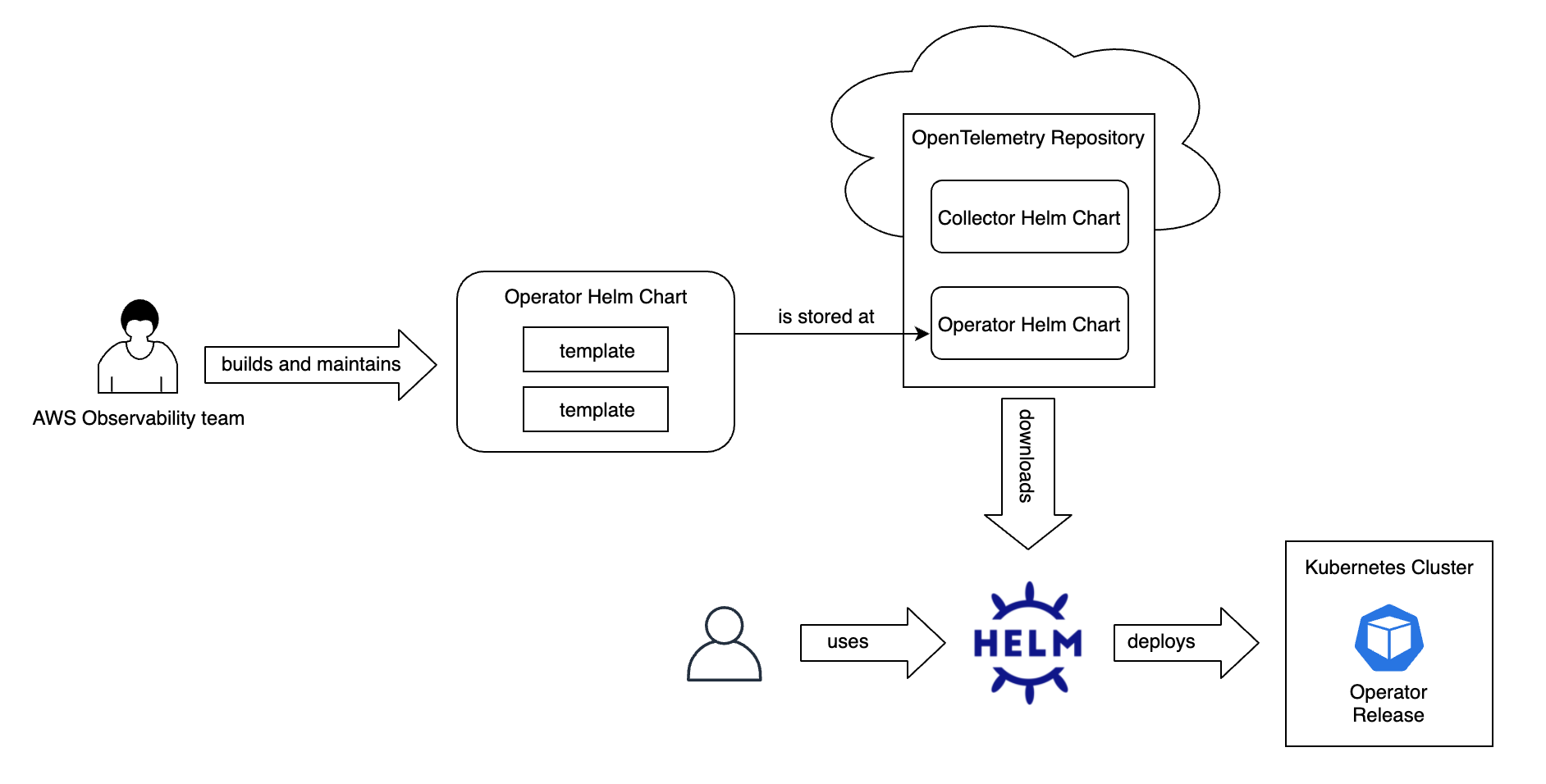
Helm Define Variable In If at Pamela Tipton blog
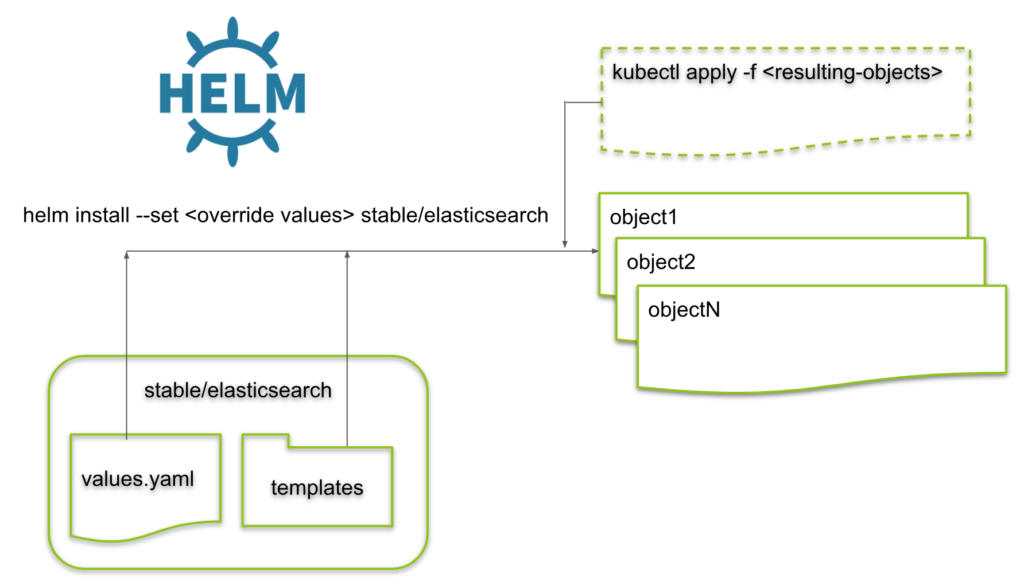
Helm Template Syntax
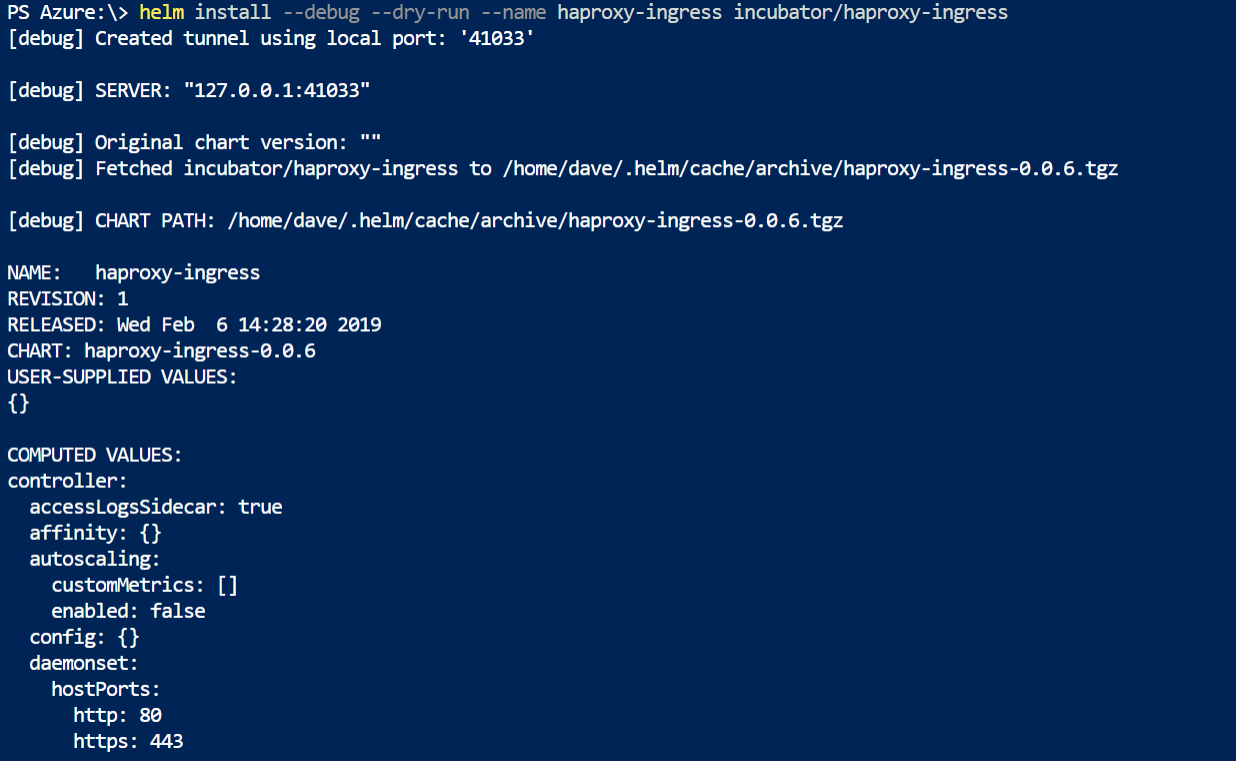
Helm Template Command Example
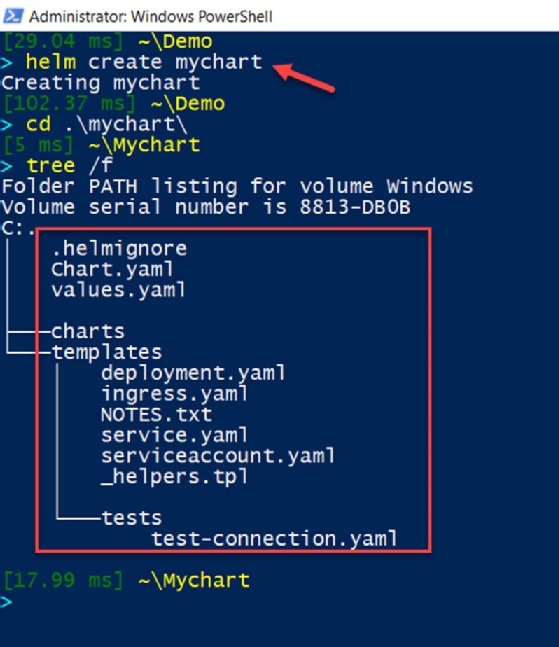
Helm Template Command Examples
![[Helm chart] how do you use “if else” in helmchart NimTechnology](https://nimtechnology.com/wp-content/uploads/2022/05/1_ZVVftcOl9gGuEJsgn5vhLQ.png?v=1653219234)
[Helm chart] how do you use “if else” in helmchart NimTechnology

Merging dynamic configuration data in Helm Charts Armel Soro
When Injecting Strings From The.values Object Into The Template, We Ought To Quote These Strings.
Helm Has A Number Of Functions That Can Be Used In The Conditionals Like And And Eq.
This Guide Offers Practical Techniques, Troubleshooting Advice, And Common.
In This Blog, You’ll See How To Use Conditional Blocks (If/Else) For Flow.
Related Post: