
Go Template Functions
Go Template Functions - If all arguments are truthy, returns the last argument. Go templating is a technique that involves creating templates with placeholders for dynamic data. In this article we discuss how to use functions inside of our templates, as well as how to provide custom functions that enable us to write much simpler template code while not giving up any. Functions can be applied to data using the pipe (`|`) operator. Templating in go comes with two packages text/template and html/template. The program creates a profile file named. Among its many features, go's template package (text/template and html/template) is a powerful tool for generating textual output (like html) with dynamic data. Alternatively, we can use the template.must function to panic in case parse. In the code above, go’s runtime function runtime.memprofilerate() is set to capture memory allocations in 2kb intervals. These templates are then processed to replace the placeholders with actual. Templating in go comes with two packages text/template and html/template. Templates are a mix of static text and “actions” enclosed in {{.}} that are used to dynamically insert content. Go template provides the following functions. A template is the skeleton of a web page. These templates are then processed to replace the placeholders with actual. Many 3rd party libraries are integrated with go templates, for example echo. The program creates a profile file named. In the code above, go’s runtime function runtime.memprofilerate() is set to capture memory allocations in 2kb intervals. Go templating is a technique that involves creating templates with placeholders for dynamic data. These are the functions, operators, and statements provided by go’s text/template package. How to embed a template file into your go binary. Many 3rd party libraries are integrated with go templates, for example echo. If all arguments are truthy, returns the last argument. Go template provides the following functions. A template is the skeleton of a web page. These templates are then processed to replace the placeholders with actual. Functions can be applied to data using the pipe (`|`) operator. Most implementations provide additional functions and can optionally override the default implementations. Returns the first falsy argument. You can even pass parameters to function like follows. How to embed a template file into your go binary. In the code above, go’s runtime function runtime.memprofilerate() is set to capture memory allocations in 2kb intervals. Returns the first falsy argument. In this article we discuss how to use functions inside of our templates, as well as how to provide custom functions that enable us to write much simpler. Templates are a mix of static text and “actions” enclosed in {{.}} that are used to dynamically insert content. Returns the first falsy argument. The program creates a profile file named. Learn about how functions can be defined and used within a template in go's `text/template` package. These are the functions, operators, and statements provided by go’s text/template package. In the code above, go’s runtime function runtime.memprofilerate() is set to capture memory allocations in 2kb intervals. Base go template functions # and # func and (arg0 reflect.value, args.reflect.value) reflect.value returns the boolean and of its arguments by returning the first empty argument. Go template provides the following functions. In this article we discuss how to use functions inside of. How to embed a template file into your go binary. In this article we discuss how to use functions inside of our templates, as well as how to provide custom functions that enable us to write much simpler template code while not giving up any. Many 3rd party libraries are integrated with go templates, for example echo. The text package. You can even pass parameters to function like follows. Many 3rd party libraries are integrated with go templates, for example echo. Functions can be applied to data using the pipe (`|`) operator. These are the functions, operators, and statements provided by go’s text/template package. The text package allows us to interpolate texts with the template, while html templating helps us. Alternatively, we can use the template.must function to panic in case parse. You can even pass parameters to function like follows. Returns the first falsy argument. Templating in go comes with two packages text/template and html/template. Base go template functions # and # func and (arg0 reflect.value, args.reflect.value) reflect.value returns the boolean and of its arguments by returning the first. Functions can be applied to data using the pipe (`|`) operator. Many 3rd party libraries are integrated with go templates, for example echo. Go templating is a technique that involves creating templates with placeholders for dynamic data. A template is the skeleton of a web page. Go template provides the following functions. Go templating is a technique that involves creating templates with placeholders for dynamic data. Returns the first falsy argument. The text package allows us to interpolate texts with the template, while html templating helps us. Templates are a mix of static text and “actions” enclosed in {{.}} that are used to dynamically insert content. Template functions the template package provides. Templates are a mix of static text and “actions” enclosed in {{.}} that are used to dynamically insert content. Returns the first falsy argument. Learn about how functions can be defined and used within a template in go's `text/template` package. How to embed a template file into your go binary. In the code above, go’s runtime function runtime.memprofilerate() is set to capture memory allocations in 2kb intervals. Go templating is a technique that involves creating templates with placeholders for dynamic data. These templates are then processed to replace the placeholders with actual. Most implementations provide additional functions and can optionally override the default implementations. Functions can be applied to data using the pipe (`|`) operator. Base go template functions # and # func and (arg0 reflect.value, args.reflect.value) reflect.value returns the boolean and of its arguments by returning the first empty argument. Below are some of the most used. Many 3rd party libraries are integrated with go templates, for example echo. Go template provides the following functions. If all arguments are truthy, returns the last argument. A template is the skeleton of a web page. The text package allows us to interpolate texts with the template, while html templating helps us.GitHub SchwarzIT/gotemplate go/template is a tool for jumpstarting
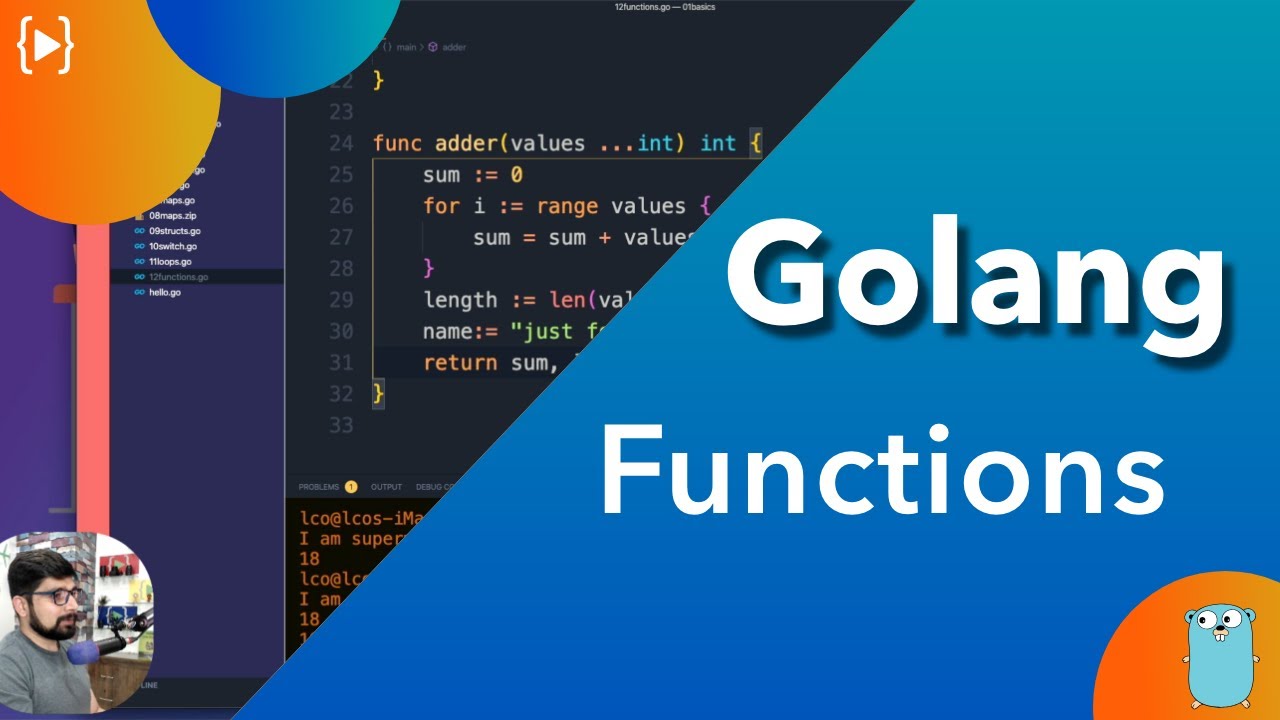
Golang Template Function

Go Template Functions
Golang Template Function

Go Template With Function

Go templates GoLand

Go Template Functions Printable Word Searches

Go templates made easy The GoLand Blog
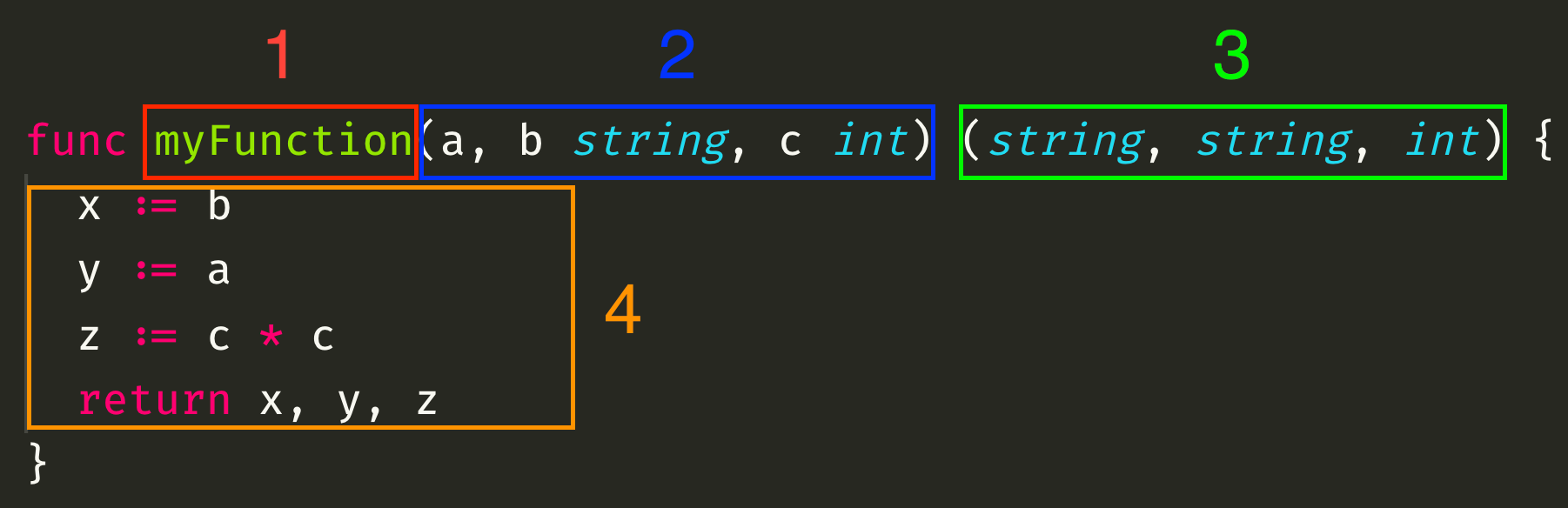
Golang Template Function
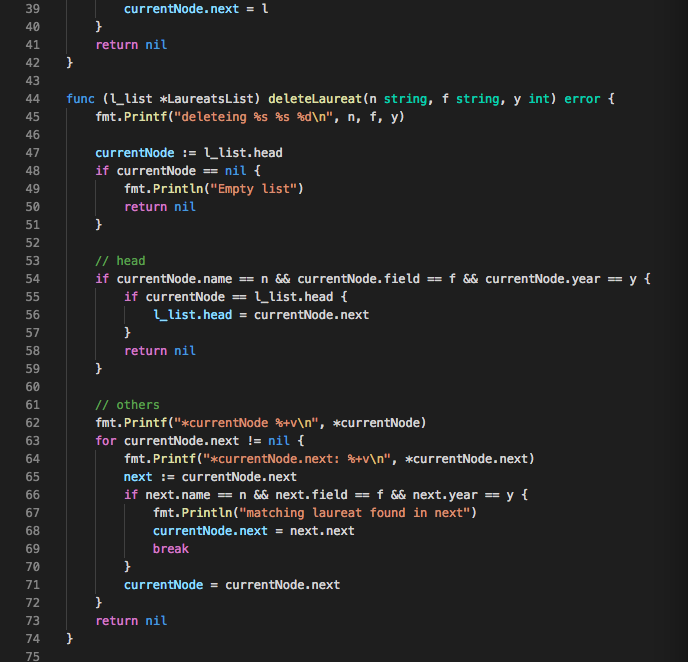
Go Template Functions
Templating In Go Comes With Two Packages Text/Template And Html/Template.
Template Functions The Template Package Provides A List Of Predefined Global Functions.
Alternatively, We Can Use The Template.must Function To Panic In Case Parse.
These Are The Functions, Operators, And Statements Provided By Go’s Text/Template Package.
Related Post: