
Example Of Concatenate Helm Template
Example Of Concatenate Helm Template - You can combine this with the underdocumented. But sometimes it's necessary to add some template logic that is a little more. It follows the form $name. Variables are assigned with a special assignment operator: Hi, how can i join (concatenate) two lists in helm templates? The key here is fromyaml, toyaml and the merge function. I’m trying to change the value of a variable if another variable it set by combining the two with a dash in the middle, i’m not sure of the syntax to do this, i’m thinking of. In helm templates, you can concatenate strings using the printf function. Template functions and pipelines are a powerful way to transform information and then insert it into your yaml. This guide provides an introduction to helm’s chart templates, with emphasis on the template language. None of these examples work: There are a few variations for merge and the order matters, you need to decide which way you want precisely. They are listed here and broken down by the following categories: In this section, we will see how to define named templates in one file, and then use them elsewhere. In helm templates, you can concatenate strings using the printf function. Let’s switch gears briefly and talk about functions in programming. In our example, we will append the release name with the service account name. We can rewrite the above to. Helm includes many template functions you can take advantage of in templates. Here’s how you can format your variables vara and varb with a hyphen in between: I'm trying to assign the output of a function to a var and append to the string at the same time but can't figure out the right syntax. There are a few variations for merge and the order matters, you need to decide which way you want precisely. You can combine this with the underdocumented. We can rewrite the above. Render chart templates locally and display the output. I've found no option in sprig or go templates libs. In our example, we will append the release name with the service account name. In helm templates, you can concatenate strings using the printf function. You can combine this with the underdocumented. You don't have to assign it to a variable, but $condition | ternary (list $a $b $c | compact | join ). Read on, and i’ll explain how you can create powerful named templates to simplify your helm charts. There are a few variations for merge and the order matters, you need to decide which way you want precisely. In. I’m trying to change the value of a variable if another variable it set by combining the two with a dash in the middle, i’m not sure of the syntax to do this, i’m thinking of. In helm templates, a variable is a named reference to another object. In this section, we will see how to define named templates in. Render chart templates locally and display the output. They are listed here and broken down by the following categories: Variables are assigned with a special assignment operator: But sometimes it's necessary to add some template logic that is a little more. In our example, we will append the release name with the service account name. I’m trying to change the value of a variable if another variable it set by combining the two with a dash in the middle, i’m not sure of the syntax to do this, i’m thinking of. In helm templates, a variable is a named reference to another object. In this section, we will see how to define named templates in. The key here is fromyaml, toyaml and the merge function. There are a few variations for merge and the order matters, you need to decide which way you want precisely. Hi, how can i join (concatenate) two lists in helm templates? None of these examples work: You don't have to assign it to a variable, but $condition | ternary (list. I'm trying to assign the output of a function to a var and append to the string at the same time but can't figure out the right syntax. Template functions and pipelines are a powerful way to transform information and then insert it into your yaml. In helm templates, you can concatenate strings using the printf function. This guide provides. Read on, and i’ll explain how you can create powerful named templates to simplify your helm charts. You don't have to assign it to a variable, but $condition | ternary (list $a $b $c | compact | join ). In our example, we will append the release name with the service account name. In helm templates, a variable is a. But sometimes it's necessary to add some template logic that is a little more. In our example, we will append the release name with the service account name. We can rewrite the above to. I've found no option in sprig or go templates libs. In helm templates, you can concatenate strings using the printf function. None of these examples work: You can combine this with the underdocumented. This guide will walk you through the essential aspects of including nested values within helm templates, enabling you. I've found no option in sprig or go templates libs. It follows the form $name. In our example, we will append the release name with the service account name. How to use them together (helm template vs helm install/upgrade), including the. In this section, we will see how to define named templates in one file, and then use them elsewhere. In helm templates, you can concatenate strings using the printf function. This guide provides an introduction to helm’s chart templates, with emphasis on the template language. There are a few variations for merge and the order matters, you need to decide which way you want precisely. But sometimes it's necessary to add some template logic that is a little more. In our example, we will append the release name with the service account name. In helm templates, a variable is a named reference to another object. Concatenate three variables, but suppress nulls isn't easy in many languages. Variables are assigned with a special assignment operator: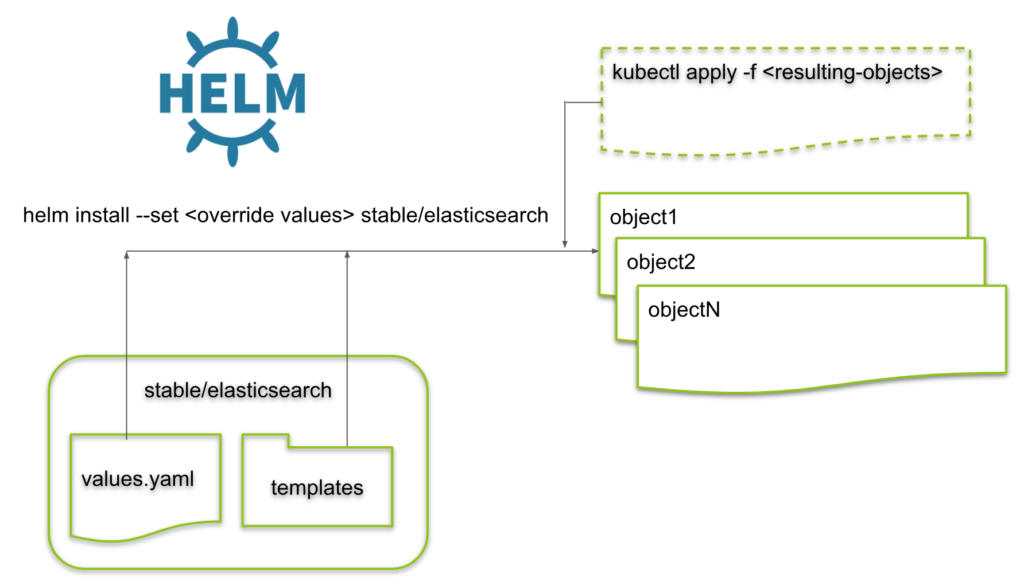
Helm Template Syntax
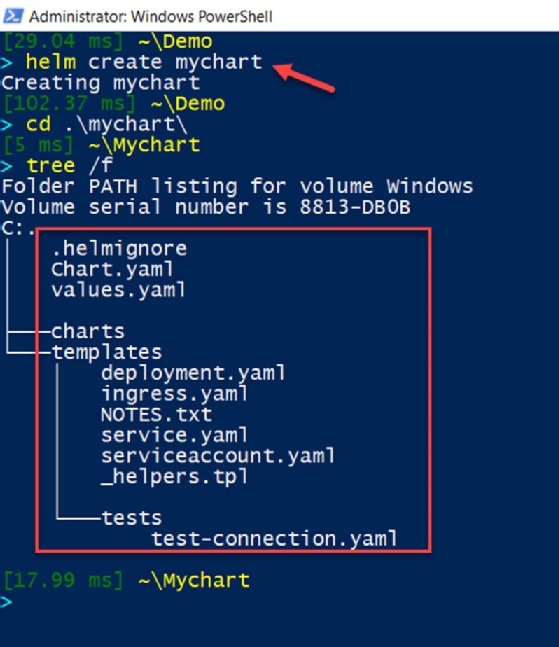
Helm Template Command Examples
GitHub BkrmDahal/sample_helm_template A base sample helm templates
![How To Create Helm Chart Beginners Guide]](https://devopscube.com/wp-content/uploads/2022/12/helm-template.png)
How To Create Helm Chart Beginners Guide]
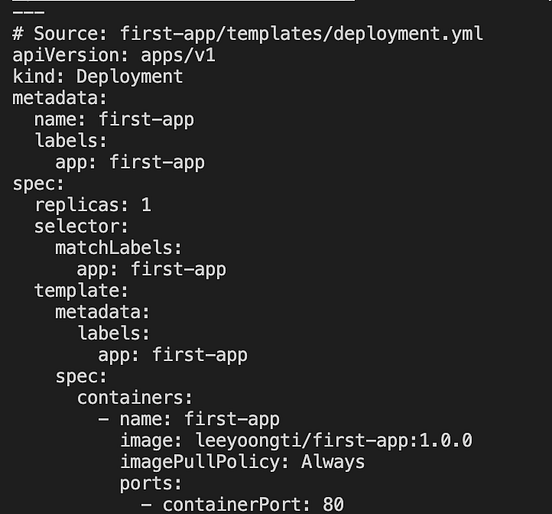
Helm Template Command Example
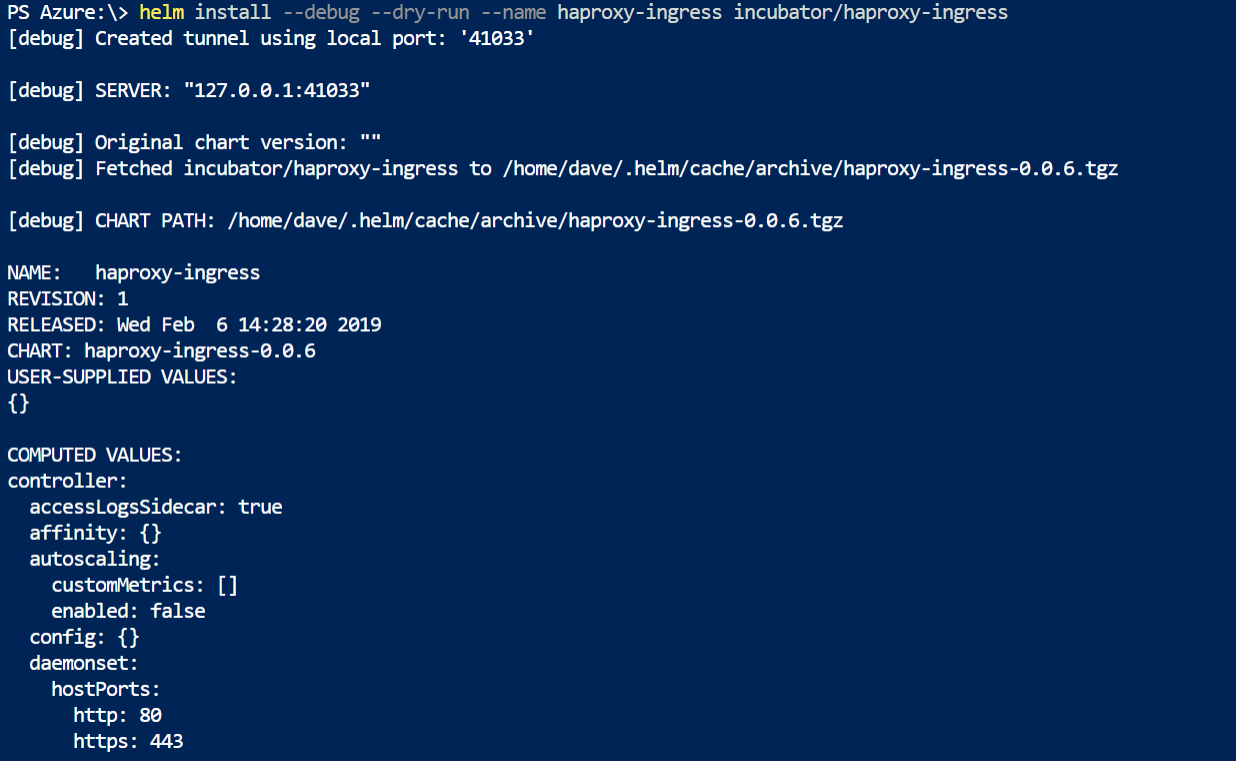
Helm Template Command Example

Helm Multiple Deployments From One Template
Helm Template Command Example

Helm Template Example Printable Word Searches

Helm Template Command Example
I’m Trying To Change The Value Of A Variable If Another Variable It Set By Combining The Two With A Dash In The Middle, I’m Not Sure Of The Syntax To Do This, I’m Thinking Of.
Hi, How Can I Join (Concatenate) Two Lists In Helm Templates?
Let’s Switch Gears Briefly And Talk About Functions In Programming.
Here’s How You Can Format Your Variables Vara And Varb With A Hyphen In Between:
Related Post: