
Dna Replication Template
Dna Replication Template - Dna replication is the process through which a cell’s dna forms two exact copies of itself. The primary mechanism of dna replication is similar across all organisms. The dna replication process is semiconservative, which results in two dna molecules, each having one parental strand of dna and one newly synthesized strand. Nucleotides (bases) are matched to synthesize the new partner strands into two new double helices. Replication begins at specific locations called origins of replication, recognized by initiator proteins that unwind the dna helix, creating a replication fork where the template strand is accessible. The primer is five to 10 nucleotides long and complementary to the parental or template dna. It occurs in all living organisms as it forms the basis of inheritance in all living organisms. Here we focus on the chemical and enzymatic mechanisms by which dna acts as a template for its own duplication and how this replication process is carried out accurately and rapidly. Rna is synthesized by using the template strand of dna as a guide for complementary base pairing. This detailed ppt framework on helicase, a crucial enzyme in dna replication and repair, takes you deep into the molecular realm. The primer is five to 10 nucleotides long and complementary to the parental or template dna. Here we focus on the chemical and enzymatic mechanisms by which dna acts as a template for its own duplication and how this replication process is carried out accurately and rapidly. It occurs in all living organisms as it forms the basis of inheritance in all living organisms. Rna is synthesized by using the template strand of dna as a guide for complementary base pairing. The dna replication process is semiconservative, which results in two dna molecules, each having one parental strand of dna and one newly synthesized strand. Dna polymerase plays a pivotal role by adding nucleotides to the growing dna strand in a sequence complementary to the template strand. Dna replication is highly regulated and requires multiple proteins to run efficiently. Let’s explore the most downloaded dna replication templates that we have for you today. During the replication process, an entirely new strand of dna is created by using the original template strand and matching the complimentary bases. Multiple enzymes are used to complete this process quickly and efficiently. Rna is synthesized by using the template strand of dna as a guide for complementary base pairing. The coding strand provides a reference for the formation of mrna with a similar sequence, while the template strand guides the rna polymerase to synthesize a complementary rna strand. Nucleotides (bases) are matched to synthesize the new partner strands into two new double. The dna replication process is semiconservative, which results in two dna molecules, each having one parental strand of dna and one newly synthesized strand. The enzyme carrying out transcription is called dna polymerase. Nucleotides (bases) are matched to synthesize the new partner strands into two new double helices. The double helix is 'unzipped' and unwound, then each separated strand (turquoise). Dna replication is highly regulated and requires multiple proteins to run efficiently. The enzyme carrying out transcription is called dna polymerase. Dna replication is the process through which a cell’s dna forms two exact copies of itself. The dna replication process is semiconservative, which results in two dna molecules, each having one parental strand of dna and one newly synthesized. It occurs in all living organisms as it forms the basis of inheritance in all living organisms. The double helix is 'unzipped' and unwound, then each separated strand (turquoise) acts as a template for replicating a new partner strand (green). Dna replication is the process through which a cell’s dna forms two exact copies of itself. Multiple enzymes are used. The primary mechanism of dna replication is similar across all organisms. Dna replication is the process through which a cell’s dna forms two exact copies of itself. Multiple enzymes are used to complete this process quickly and efficiently. The enzyme carrying out transcription is called dna polymerase. Semi conservative because once dna molecule is synthesized it has one strand from. Let’s explore the most downloaded dna replication templates that we have for you today. The primer is five to 10 nucleotides long and complementary to the parental or template dna. The dna replication process is semiconservative, which results in two dna molecules, each having one parental strand of dna and one newly synthesized strand. Dna replication is the process through. The primary mechanism of dna replication is similar across all organisms. Dna replication is highly regulated and requires multiple proteins to run efficiently. During the replication process, an entirely new strand of dna is created by using the original template strand and matching the complimentary bases. The dna replication process is semiconservative, which results in two dna molecules, each having. It occurs in all living organisms as it forms the basis of inheritance in all living organisms. During the replication process, an entirely new strand of dna is created by using the original template strand and matching the complimentary bases. Here we focus on the chemical and enzymatic mechanisms by which dna acts as a template for its own duplication. Dna polymerase plays a pivotal role by adding nucleotides to the growing dna strand in a sequence complementary to the template strand. Semi conservative because once dna molecule is synthesized it has one strand from. Nucleotides (bases) are matched to synthesize the new partner strands into two new double helices. The enzyme carrying out transcription is called dna polymerase. It. It is synthesized by rna primase, which is an rna polymerase. The coding strand provides a reference for the formation of mrna with a similar sequence, while the template strand guides the rna polymerase to synthesize a complementary rna strand. During the replication process, an entirely new strand of dna is created by using the original template strand and matching. Semi conservative because once dna molecule is synthesized it has one strand from. Nucleotides (bases) are matched to synthesize the new partner strands into two new double helices. Let’s explore the most downloaded dna replication templates that we have for you today. Here we focus on the chemical and enzymatic mechanisms by which dna acts as a template for its own duplication and how this replication process is carried out accurately and rapidly. Dna replication is highly regulated and requires multiple proteins to run efficiently. Replication begins at specific locations called origins of replication, recognized by initiator proteins that unwind the dna helix, creating a replication fork where the template strand is accessible. The dna replication process is semiconservative, which results in two dna molecules, each having one parental strand of dna and one newly synthesized strand. The primary mechanism of dna replication is similar across all organisms. The double helix is 'unzipped' and unwound, then each separated strand (turquoise) acts as a template for replicating a new partner strand (green). It occurs in all living organisms as it forms the basis of inheritance in all living organisms. The enzyme carrying out transcription is called dna polymerase. It is synthesized by rna primase, which is an rna polymerase. This detailed ppt framework on helicase, a crucial enzyme in dna replication and repair, takes you deep into the molecular realm. Rna is synthesized by using the template strand of dna as a guide for complementary base pairing. During the replication process, an entirely new strand of dna is created by using the original template strand and matching the complimentary bases. The coding strand provides a reference for the formation of mrna with a similar sequence, while the template strand guides the rna polymerase to synthesize a complementary rna strand.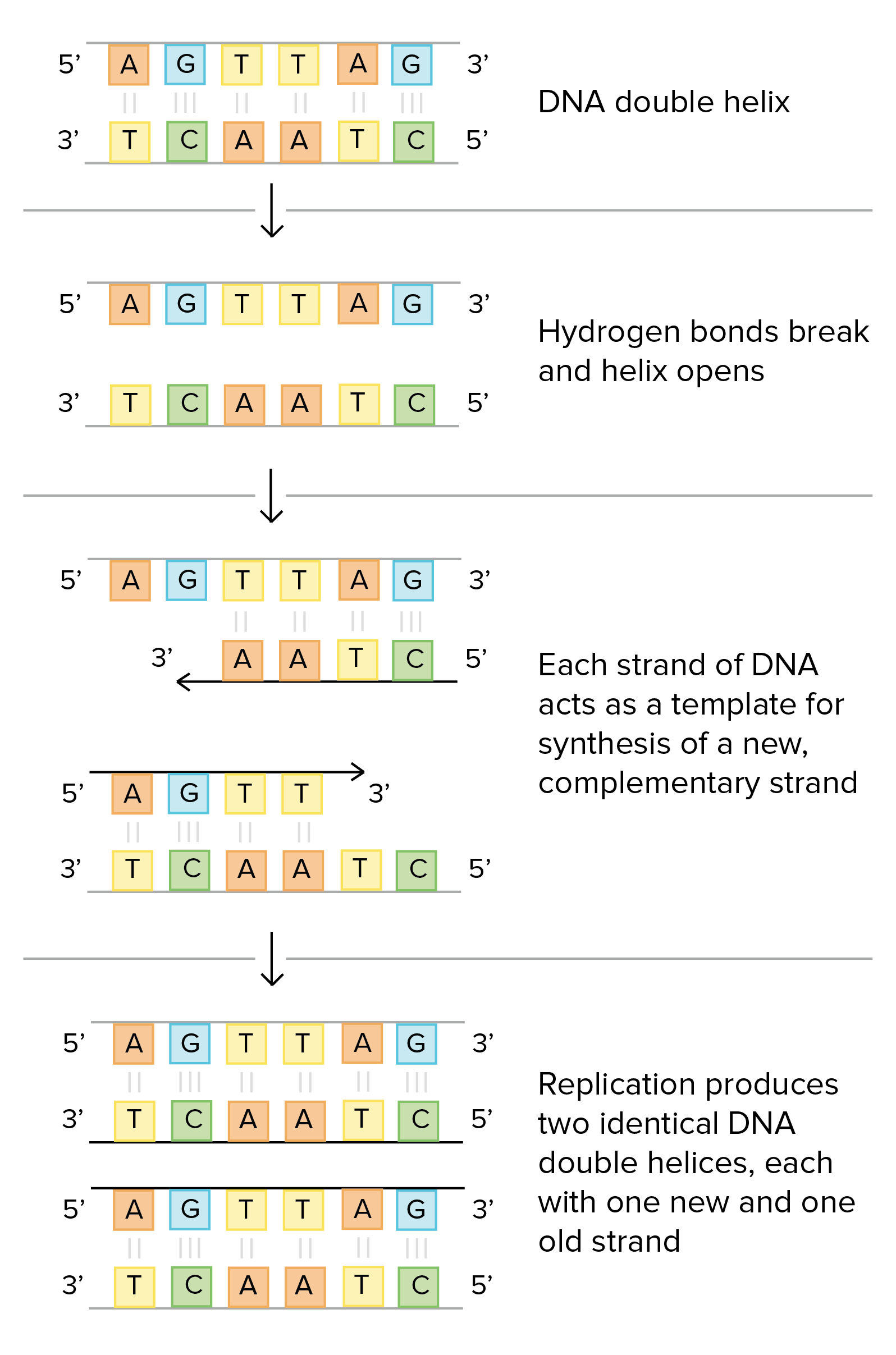
What Acts As The Template In Dna Replication

Dna Replication Template
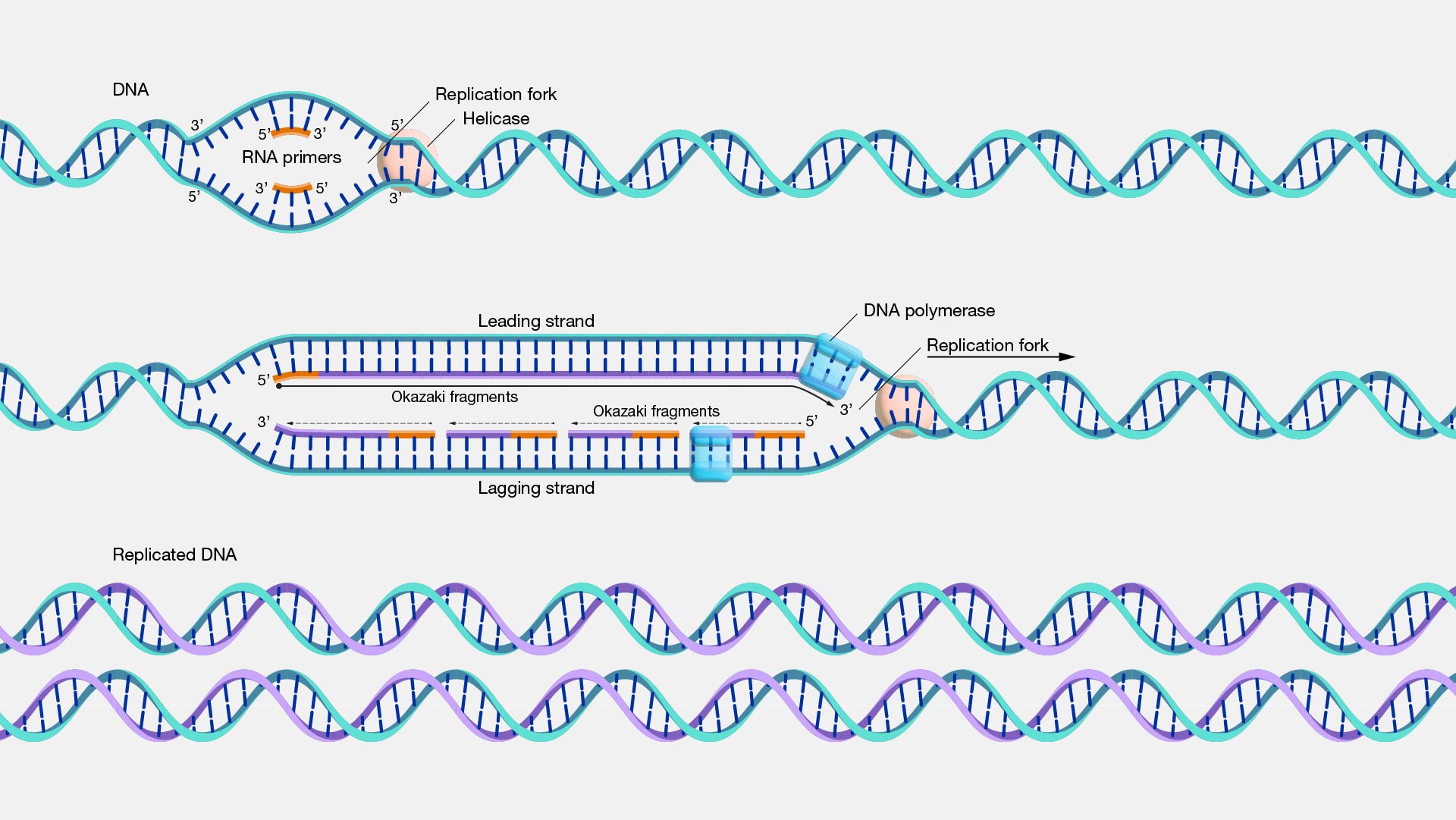
Simple Dna Replication Animation
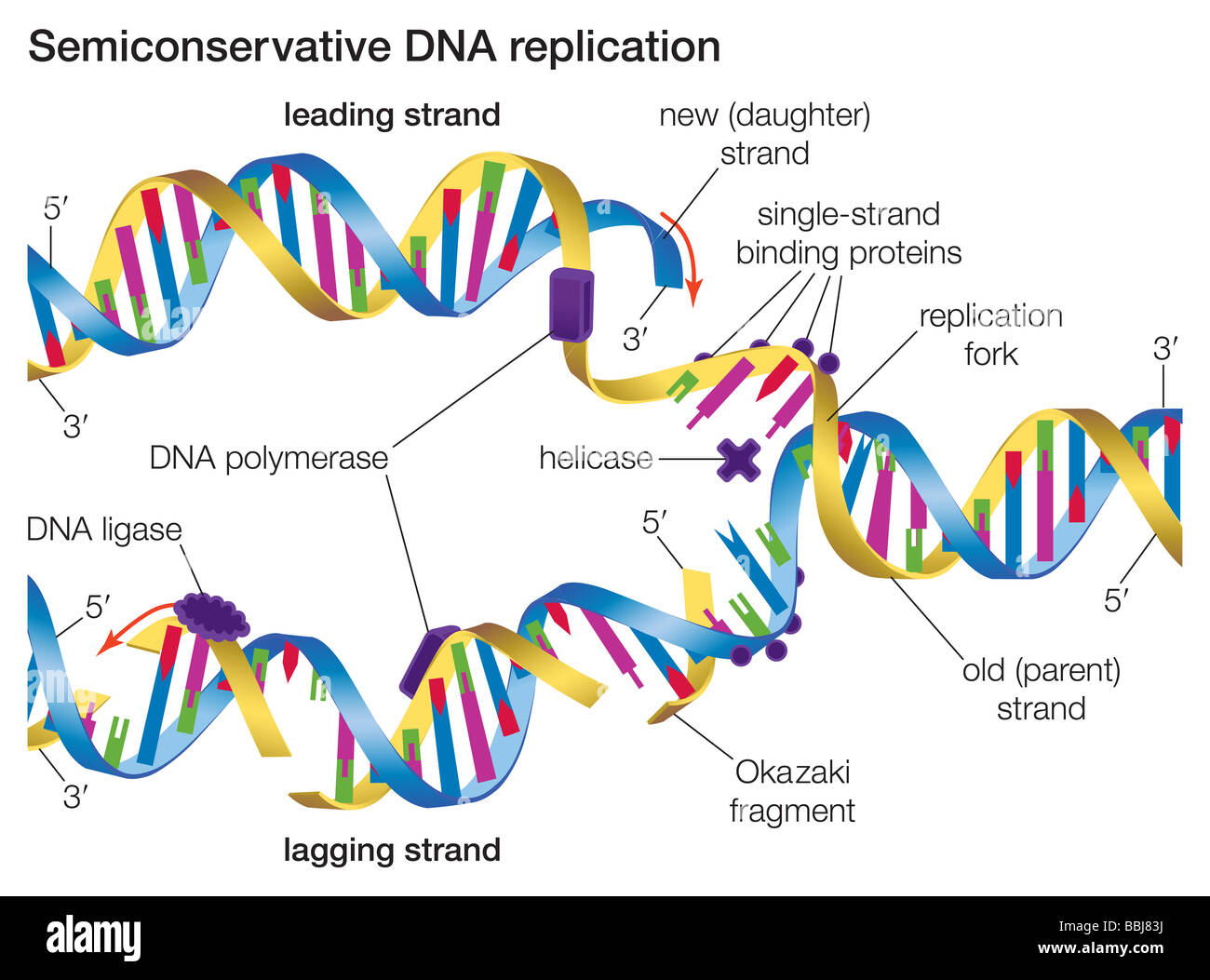
In semiconservative DNA replication an existing DNA molecule separates
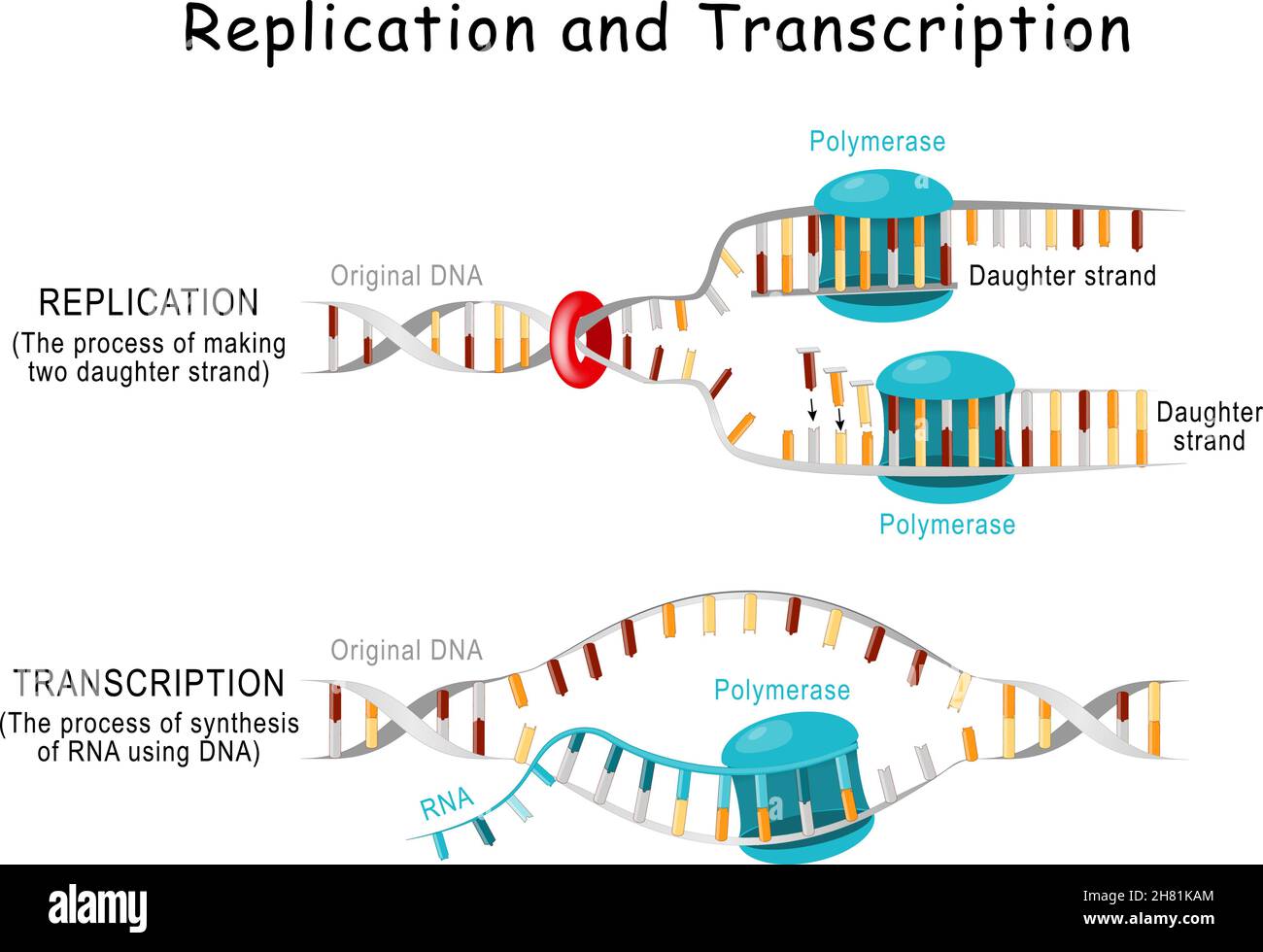
DNA Replication and Transcription. Steps. double helix is unwound. Each
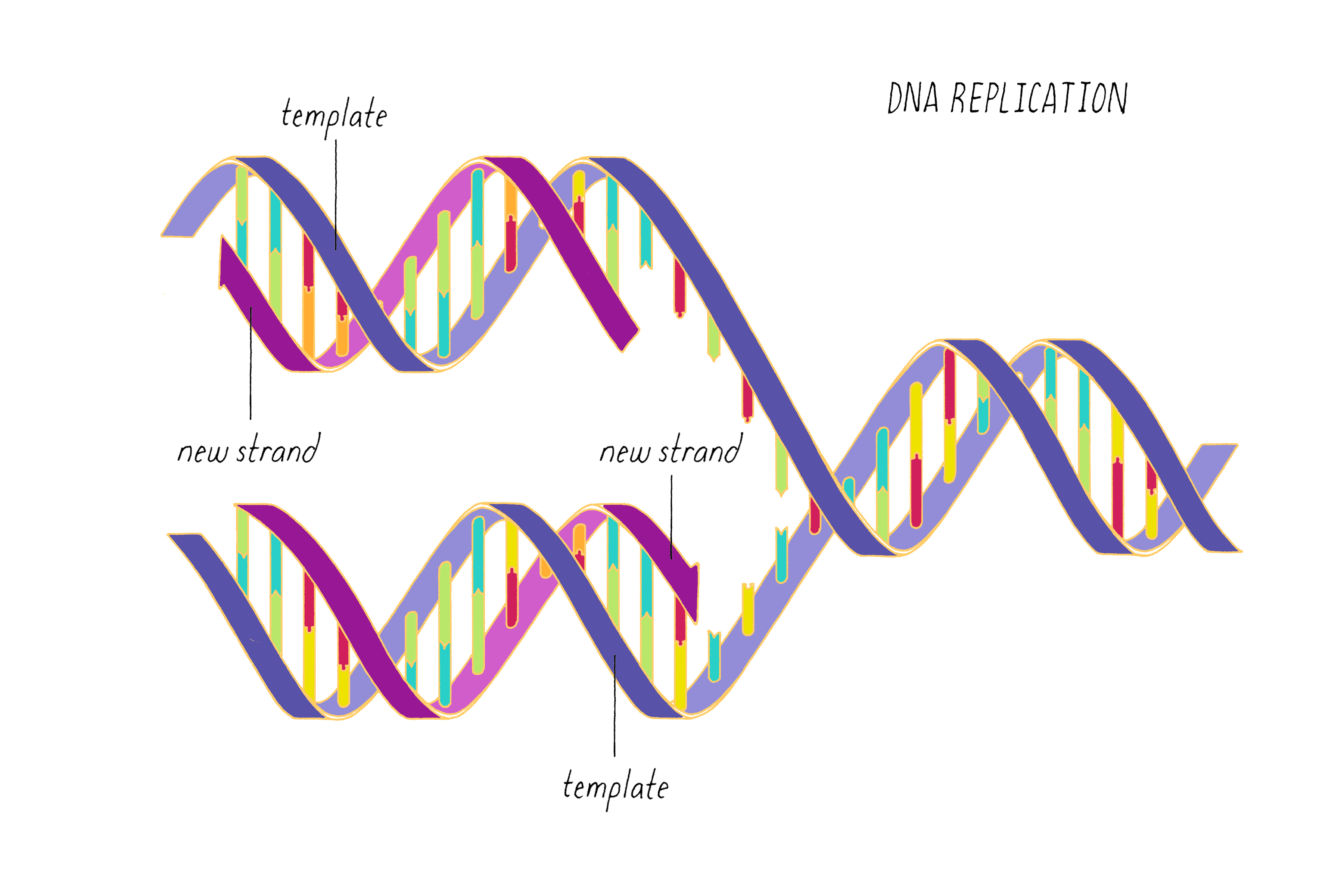
The Structure of DNA by Ron Vale
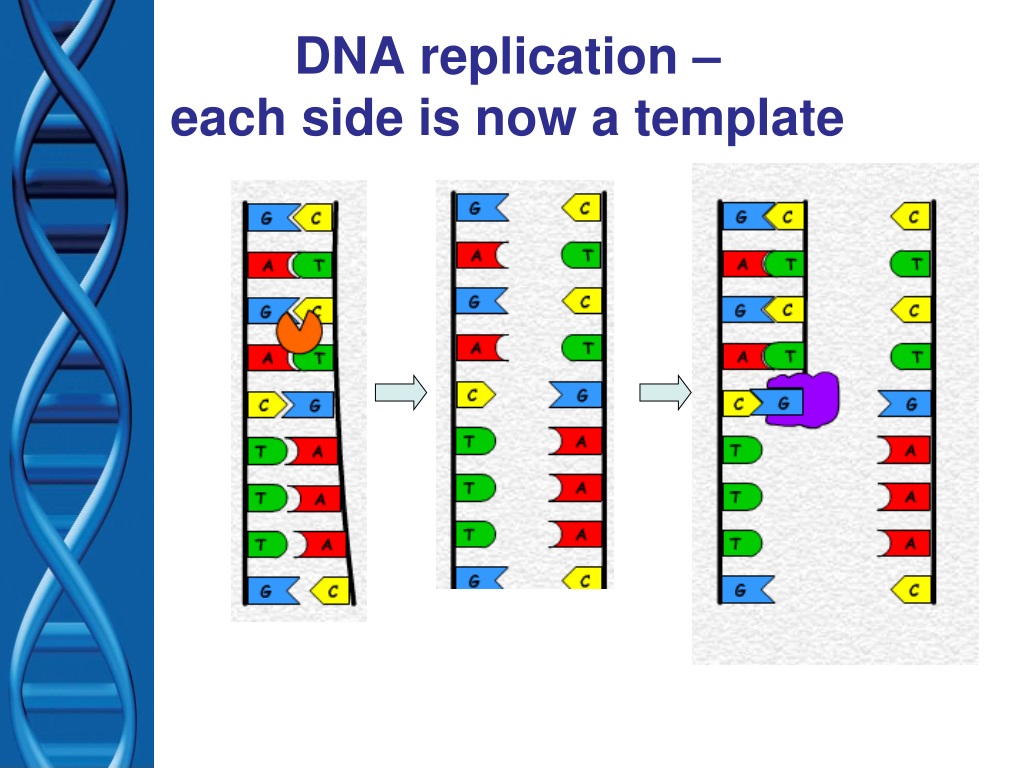
PPT DNA Replication PowerPoint Presentation, free download ID9728555

Introduction to DNA Template Design AAT Bioquest

DNA replication. double helix is unwound. Each separated strand acts as
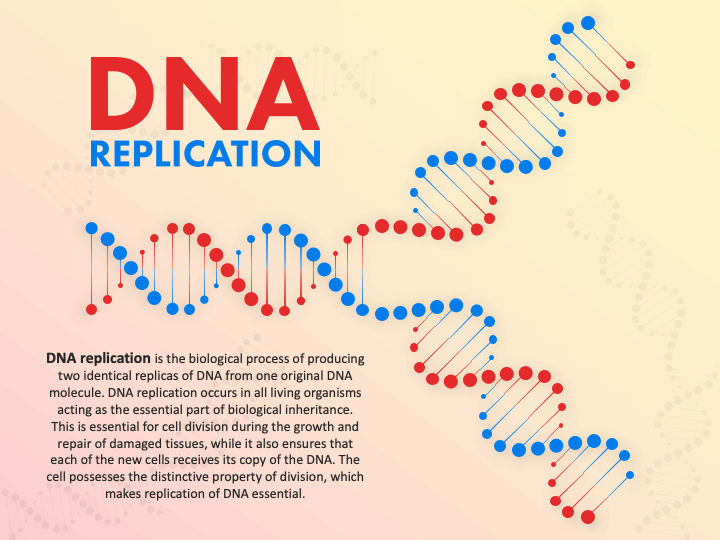
Free DNA Replication PowerPoint and Google Slides Template PPT Slides
The Primer Is Five To 10 Nucleotides Long And Complementary To The Parental Or Template Dna.
Dna Polymerase Plays A Pivotal Role By Adding Nucleotides To The Growing Dna Strand In A Sequence Complementary To The Template Strand.
Dna Replication Is The Process Through Which A Cell’s Dna Forms Two Exact Copies Of Itself.
Multiple Enzymes Are Used To Complete This Process Quickly And Efficiently.
Related Post: