
Django Template Partials
Django Template Partials - Alternatively, you can create a custom template tag if the partial are used in multiple views and you don't want to explicitly. You can pass data to the partial, and use it as you would in a regular template. I step through three iterations of the same small app, building it first in vanilla django, then with htmx, and finally using htmx and partials together. Setting up cotton with django template partials. In this post, we will look at how to render fragments (or blocks) of a template when using django, as an alternative to splitting content out into separate html partials. Django templates are a crucial part of the framework. The tldr is that you can use. In this case, you want to inject html content (given by django) into your page. You can pass data to the partial, and use it as you would in a regular template. For background, there’s an htmx essay on this topic here: In this post, we will look at how to render fragments (or blocks) of a template when using django, as an alternative to splitting content out into separate html partials. Reusable named inline partials for the django template language. Django templates help in generating html dynamically by inserting data from views. This snippet adds simple partial support to your templates. Alternatively, you can create a custom template tag if the partial are used in multiple views and you don't want to explicitly. It is different from django's {%. In this case, you want to inject html content (given by django) into your page. Django templates are a crucial part of the framework. This should be possible by passing all files to the folderdetailview and looping over. I wrote this partially for. You can use the {% include %} template tag. I’d like to begin a discussion about adding some kind of inline partials or template fragments feature to the dtl. These templates usually include standard sections such as headers, footers, and. Understanding what they are and why they’re useful can help you build seamless, adaptable, and functional templates for. I step. Django templates help in generating html dynamically by inserting data from views. Understanding what they are and why they’re useful can help you build seamless, adaptable, and functional templates for. I think the two fit together very nicely. This should be possible by passing all files to the folderdetailview and looping over. In this post, we will look at how. It is different from django's {%. Django templates help in generating html dynamically by inserting data from views. The tldr is that you can use. You can pass data to the partial, and use it as you would in a regular template. For background, there’s an htmx essay on this topic here: To render each file, i would like to use a custom template as the files are fairly different. Django templates are a crucial part of the framework. Django templates help in generating html dynamically by inserting data from views. I'm gonna use jquery here. This should be possible by passing all files to the folderdetailview and looping over. In this case, you want to inject html content (given by django) into your page. I think the two fit together very nicely. It is different from django's {%. These templates usually include standard sections such as headers, footers, and. Setting up cotton with django template partials. Django templates help in generating html dynamically by inserting data from views. You can pass data to the partial, and use it as you would in a regular template. To render each file, i would like to use a custom template as the files are fairly different. Alternatively, you can create a custom template tag if the partial are used. I step through three iterations of the same small app, building it first in vanilla django, then with htmx, and finally using htmx and partials together. Setting up cotton with django template partials. I'm gonna use jquery here. For background, there’s an htmx essay on this topic here: I wrote this partially for. Reusable named inline partials for the django template language. In this case, you want to inject html content (given by django) into your page. I think the two fit together very nicely. In this post, we will look at how to render fragments (or blocks) of a template when using django, as an alternative to splitting content out into separate. I’d like to begin a discussion about adding some kind of inline partials or template fragments feature to the dtl. To render each file, i would like to use a custom template as the files are fairly different. These templates usually include standard sections such as headers, footers, and. Django templates are a crucial part of the framework. Template tags. I'm gonna use jquery here. This package introduces the concept of partials,. In this post, we will look at how to render fragments (or blocks) of a template when using django, as an alternative to splitting content out into separate html partials. To render each file, i would like to use a custom template as the files are fairly different.. For background, there’s an htmx essay on this topic here: It is different from django's {%. In this post, we will look at how to render fragments (or blocks) of a template when using django, as an alternative to splitting content out into separate html partials. I'm gonna use jquery here. This snippet adds simple partial support to your templates. I wrote this partially for. In this case, you want to inject html content (given by django) into your page. These templates usually include standard sections such as headers, footers, and. Template tags are definitely the way to do this in django. This package introduces the concept of partials,. Django templates help in generating html dynamically by inserting data from views. To render each file, i would like to use a custom template as the files are fairly different. Reusable named inline partials for the django template language. I step through three iterations of the same small app, building it first in vanilla django, then with htmx, and finally using htmx and partials together. You can pass data to the partial, and use it as you would in a regular template. Django templates are a crucial part of the framework.
Template inheritance and partial's in Django YouTube
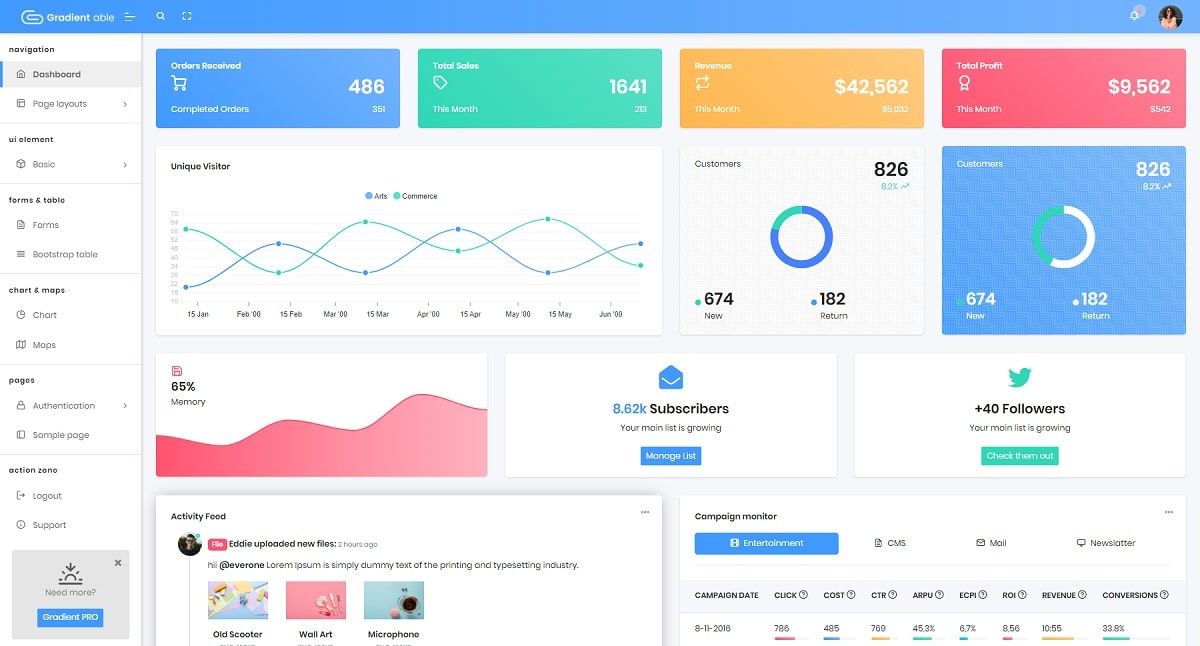
Free Django Dashboard Templates
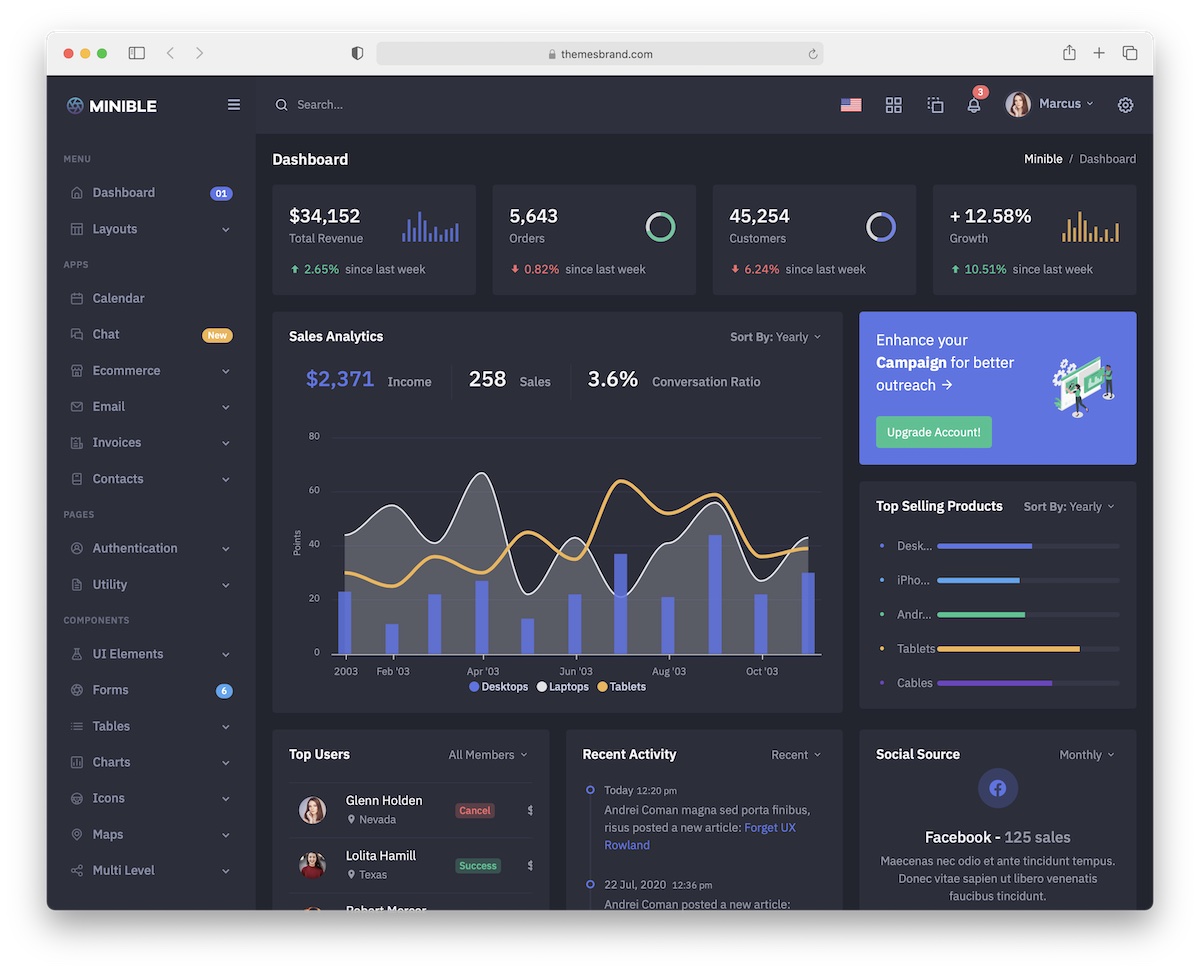
9 Best Django Website Templates 2024 AdminLTE.IO
Pull requests · carltongibson/djangotemplatepartials · GitHub

Live preview of Django templates PyCharm Documentation
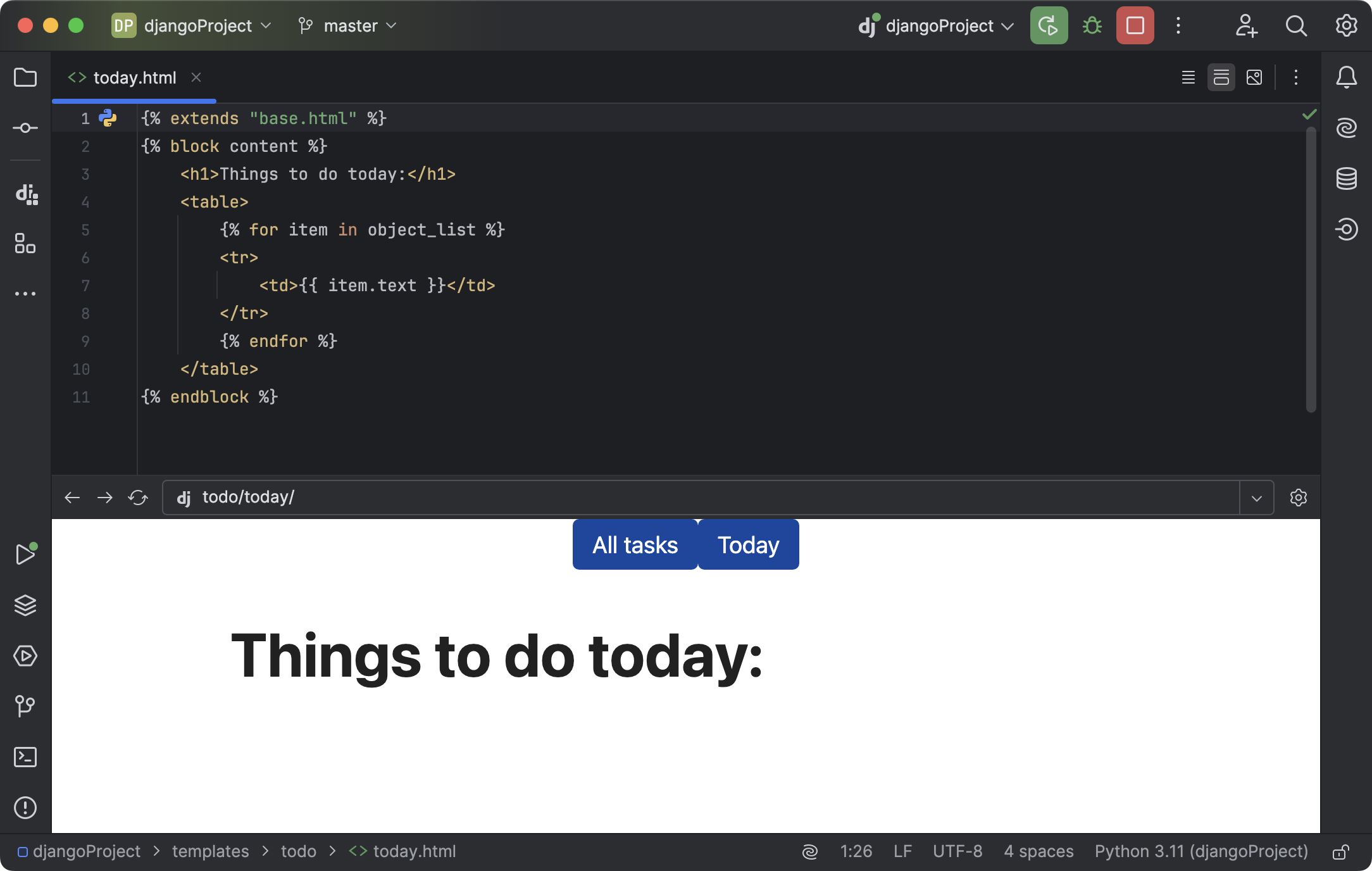
Live preview of Django templates PyCharm Documentation

Django & HTMX djangotemplatepartials for Template Partial Responses

Django Templates DRY Templates, Partials, and Passing Context to
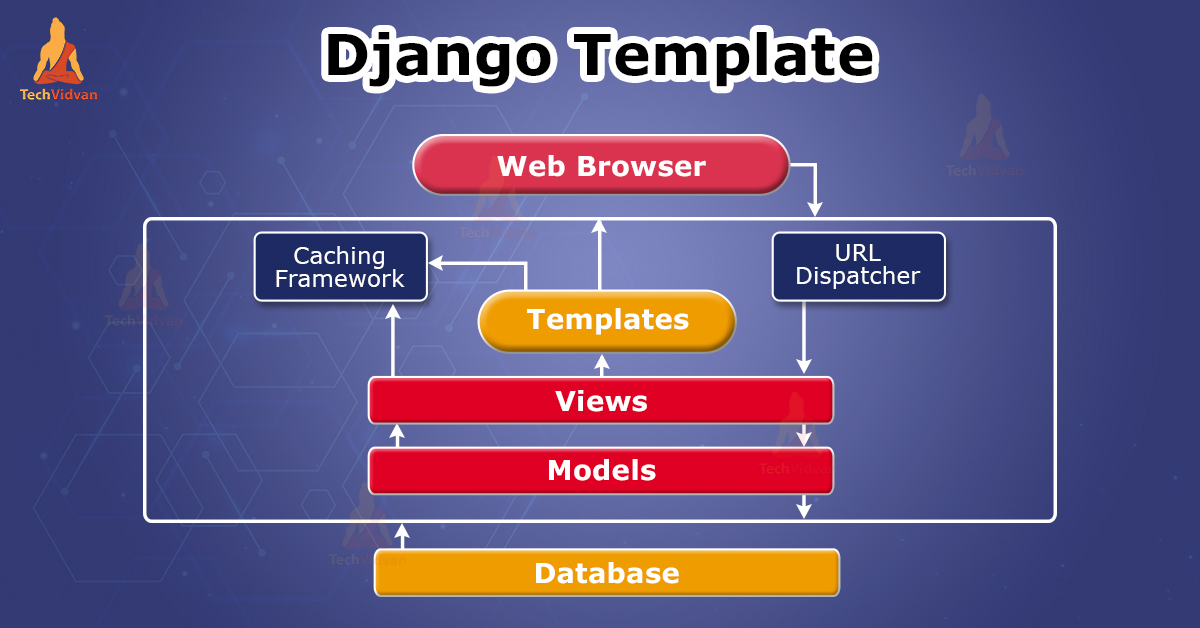
Django Templates Create your First Template in easy steps TechVidvan

5 How to Render template in our Django Project Render Templates in
Setting Up Cotton With Django Template Partials.
You Can Use The {% Include %} Template Tag.
This Snippet Adds Simple Partial Support To Your Templates.
Understanding What They Are And Why They’re Useful Can Help You Build Seamless, Adaptable, And Functional Templates For.
Related Post: