
Definefunctionproperties To Modify Cloudformation Template
Definefunctionproperties To Modify Cloudformation Template - I want to use the cloudformation template generated by serverless to. Define corresponding module parameters in the parent module that enable the nested module's parameters to be set by the template (or module) in which the parent module is contained. With amazon cloudformation designer, you can quickly get a copy of any running stack's template, modify it, and then update the stack without ever leaving the console. To modify the resources or properties in a cloudformation stack, you must update the stack's template. Modify your cloudformation templates to reflect the new structure. Deploy the following cloudformation template to configure the amazon q business application. How do i make a cloudformation template for a cloudwatch event with a lambda function target? Create a new stack using the before.yaml template. After the stack creation is finished, the status will change to. Start with the existing template for that stack and make your changes to it. To specify properties, you can use the codepipeline console, or you can create a json object to use for the aws cli,. If you have the template stored in a source control system, use a copy of that as your starting point. I want to use the cloudformation template generated by serverless to. On the events tab, you can review different events that occur during the stack creation process. This resource specifies the arn of the. Modify your cloudformation templates to reflect the new structure. To modify the resources or properties in a cloudformation stack, you must update the stack's template. You will need to add details such as the iam identity center stack name deployed. Modify your cloudformation templates to reflect the planned change, such as moving resource definitions between templates. How do i make a cloudformation template for a cloudwatch event with a lambda function target? Modify your cloudformation templates to reflect the planned change, such as moving resource definitions between templates. This topic describes the aws cloudformation configuration properties. With amazon cloudformation designer, you can quickly get a copy of any running stack's template, modify it, and then update the stack without ever leaving the console. After the stack creation is finished, the status will. To specify properties, you can use the codepipeline console, or you can create a json object to use for the aws cli,. Start with the existing template for that stack and make your changes to it. This might include moving resource definitions between templates or renaming. This resource specifies the arn of the. Define corresponding module parameters in the parent. Modify your cloudformation templates to reflect the planned change, such as moving resource definitions between templates. Deploy the following cloudformation template to configure the amazon q business application. How do i make a cloudformation template for a cloudwatch event with a lambda function target? Start with the existing template for that stack and make your changes to it. Modify your. With amazon cloudformation designer, you can quickly get a copy of any running stack's template, modify it, and then update the stack without ever leaving the console. You will need to add details such as the iam identity center stack name deployed. Create a new stack using the before.yaml template. Start with the existing template for that stack and make. Start with the existing template for that stack and make your changes to it. To specify properties, you can use the codepipeline console, or you can create a json object to use for the aws cli,. This might include moving resource definitions between templates or renaming. With amazon cloudformation designer, you can quickly get a copy of any running stack's. You can rename logical ids during. After the stack creation is finished, the status will change to. To modify the resources or properties in a cloudformation stack, you must update the stack's template. A resource of type aws::cloudformation::macro, which enables users to call the lambda function from within cloudformation templates. This might include moving resource definitions between templates or renaming. Create a new stack using the before.yaml template. To specify properties, you can use the codepipeline console, or you can create a json object to use for the aws cli,. You can rename logical ids during. Define corresponding module parameters in the parent module that enable the nested module's parameters to be set by the template (or module) in which. This topic describes the aws cloudformation configuration properties. You can use environment variables to adjust your function's behavior without updating code. I want to use the cloudformation template generated by serverless to. On the events tab, you can review different events that occur during the stack creation process. If you have the template stored in a source control system, use. After the stack creation is finished, the status will change to. In cloudformation, you can use template parameters to customize your stacks by. A resource of type aws::cloudformation::macro, which enables users to call the lambda function from within cloudformation templates. To specify properties, you can use the codepipeline console, or you can create a json object to use for the. On the events tab, you can review different events that occur during the stack creation process. To modify the resources or properties in a cloudformation stack, you must update the stack's template. Modify your cloudformation templates to reflect the new structure. If you have the template stored in a source control system, use a copy of that as your starting. One of its most powerful features is parameters, which allow you to dynamically define variables that can be customized when creating or updating stacks. Modify your cloudformation templates to reflect the new structure. With amazon cloudformation designer, you can quickly get a copy of any running stack's template, modify it, and then update the stack without ever leaving the console. I want to use the cloudformation template generated by serverless to. If you have the template stored in a source control system, use a copy of that as your starting point. Modify your cloudformation templates to reflect the planned change, such as moving resource definitions between templates. This might include moving resource definitions between templates or renaming. This resource specifies the arn of the. Start with the existing template for that stack and make your changes to it. After the stack creation is finished, the status will change to. Create a new stack using the before.yaml template. Deploy the following cloudformation template to configure the amazon q business application. In cloudformation, you can use template parameters to customize your stacks by. On the events tab, you can review different events that occur during the stack creation process. You will need to add details such as the iam identity center stack name deployed. To modify the resources or properties in a cloudformation stack, you must update the stack's template.
AWS CloudFormation template explained

How to Deploy CloudFormation Template using AWS CLI CloudKatha

Aws Cloud Formation Template
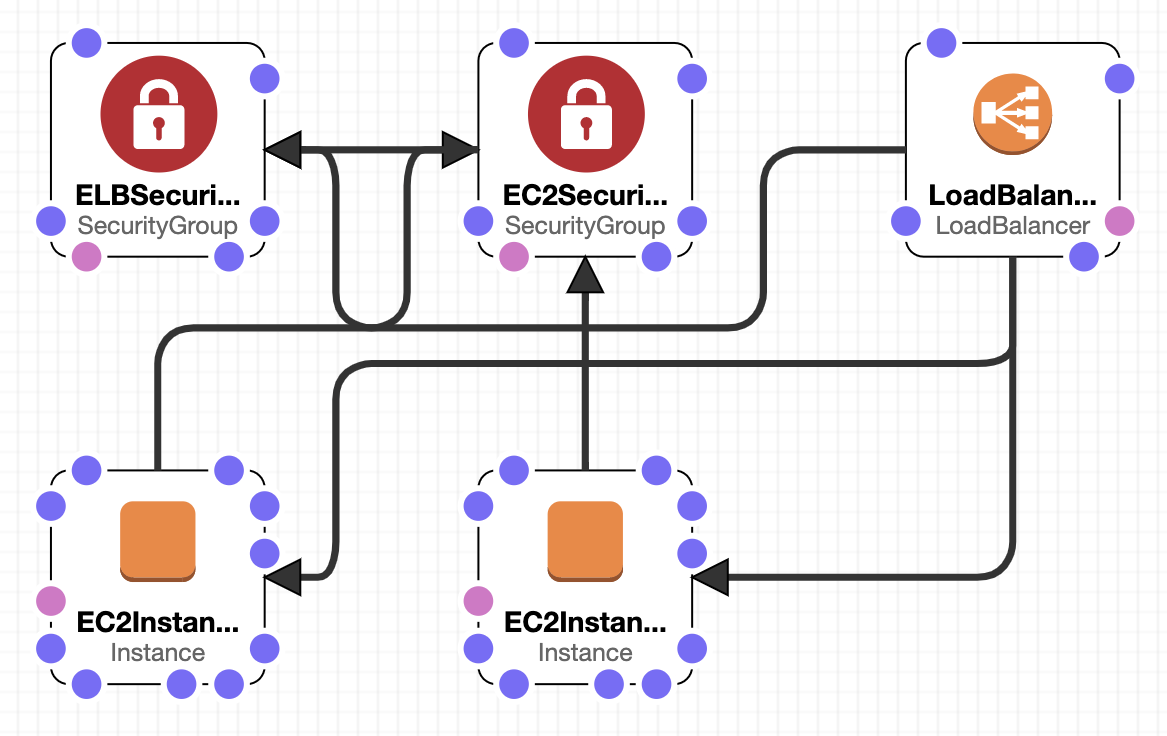
Create Cloudformation Template From Existing Resources

Working with AWS CloudFormation in Eclipse AWS Developer Blog
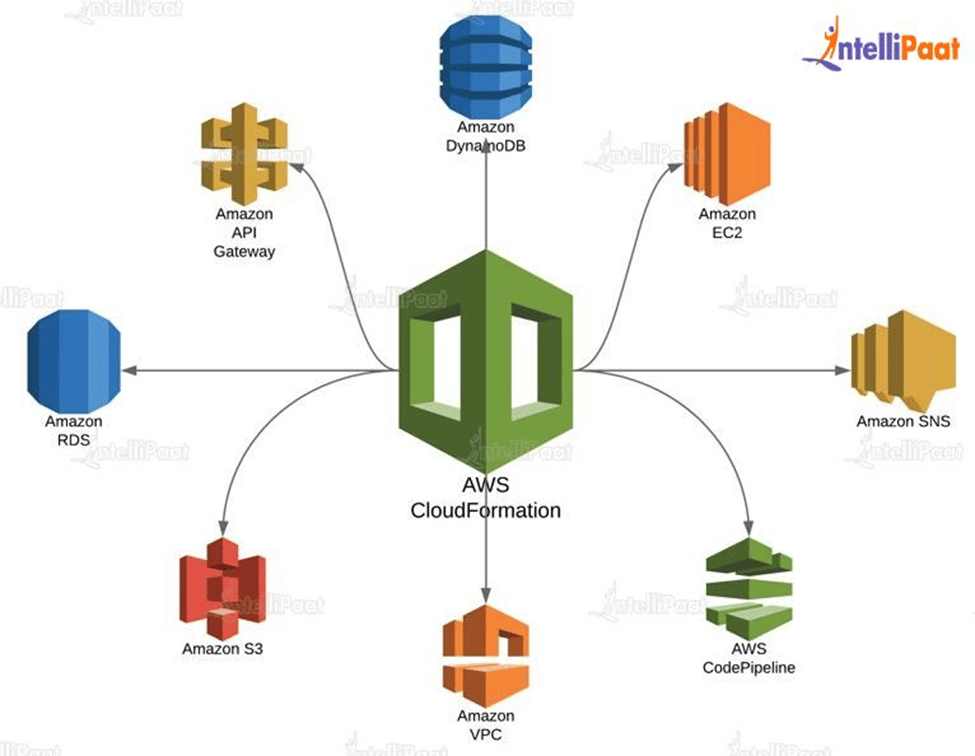
Aws Cloudformation Template Explained NBKomputer
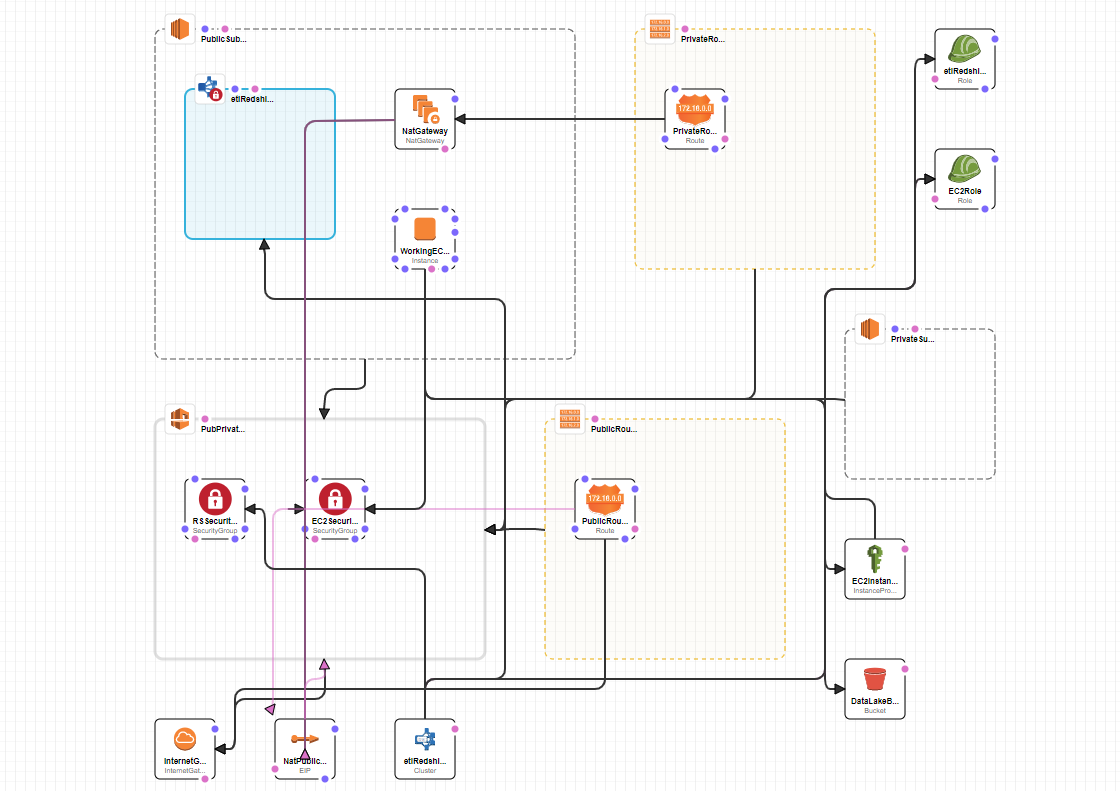
AWS CloudFormation create your first stack via a template by Haq

Formatting a AWS CloudFormation Template in Visual Studio AWS Toolkit
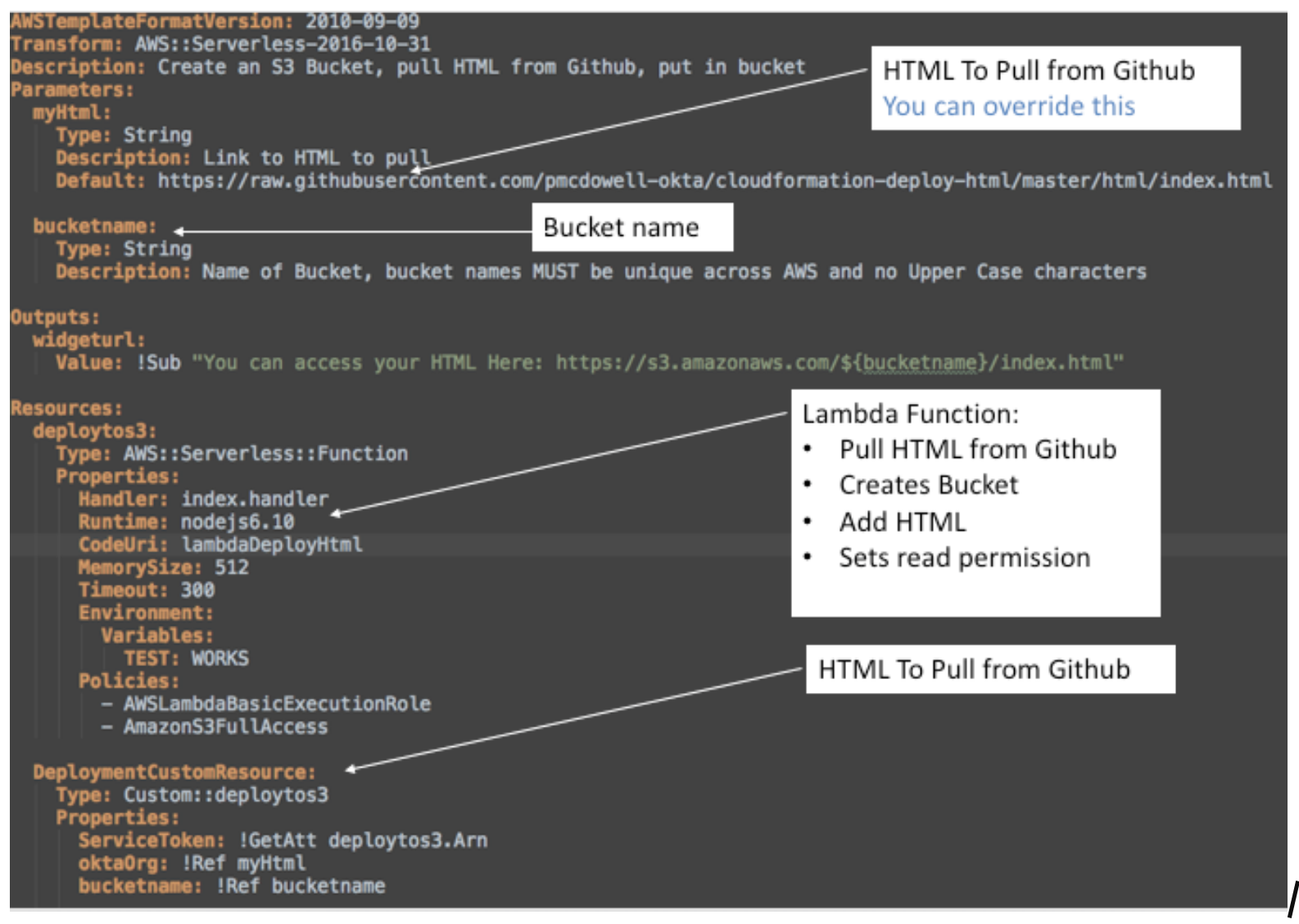
Cloudformation Sample Templates
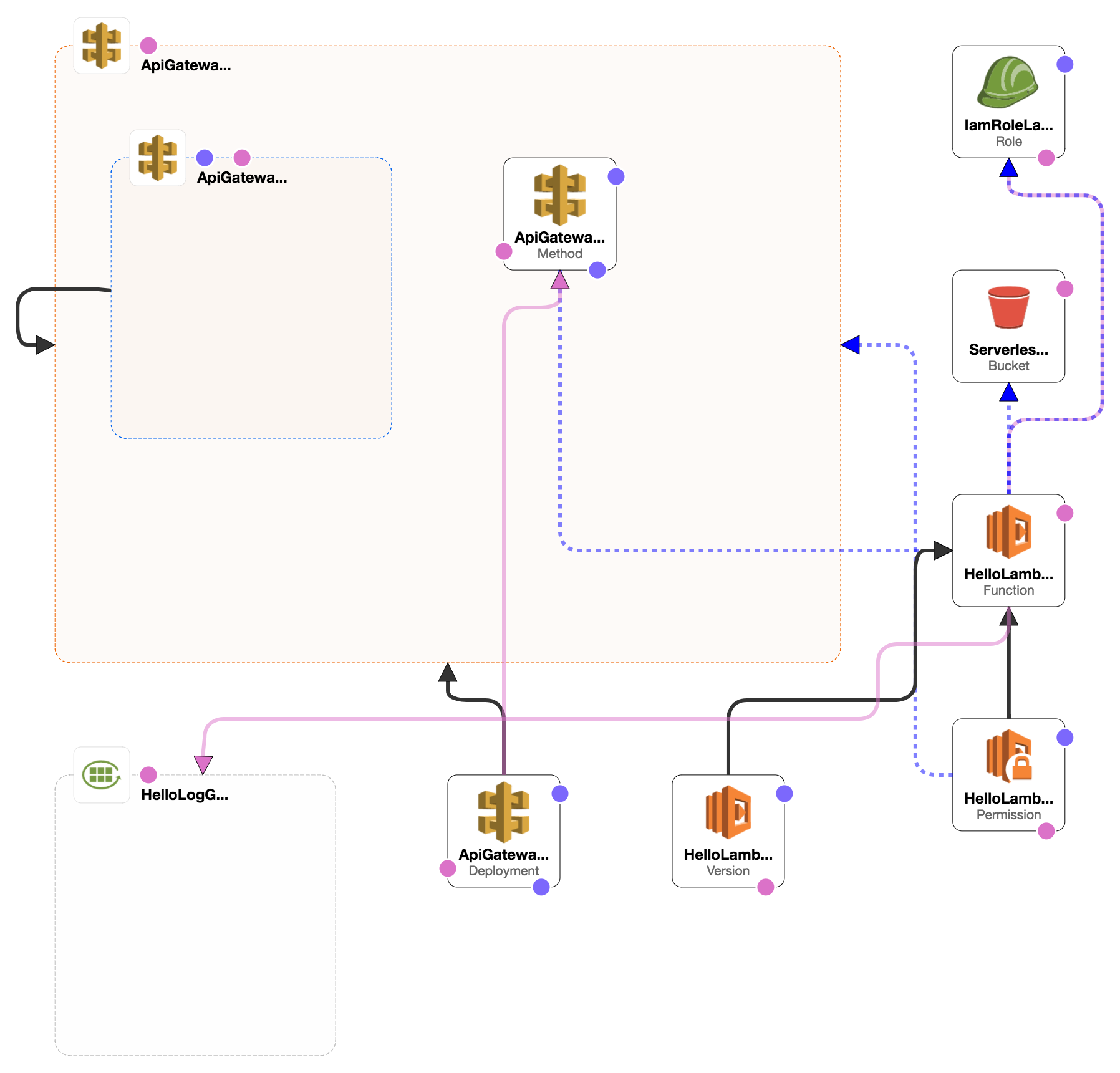
visualizing a cloudformation template
To Modify The Resources Or Properties In A Cloudformation Stack, You Must Update The Stack's Template.
Define Corresponding Module Parameters In The Parent Module That Enable The Nested Module's Parameters To Be Set By The Template (Or Module) In Which The Parent Module Is Contained.
To Specify Properties, You Can Use The Codepipeline Console, Or You Can Create A Json Object To Use For The Aws Cli,.
A Resource Of Type Aws::cloudformation::macro, Which Enables Users To Call The Lambda Function From Within Cloudformation Templates.
Related Post: