
C Partial Template Specialization
C Partial Template Specialization - Usually used in reference to the c++ programming language, it allows the programmer to specialize only some. In c++, partial template specialization allows us to define a specialized version of the template for some of the template arguments in contrast to full template specialization. Partial template specialization allows us to specialize classes (but not individual functions!) where some, but not all, of the template. Includes detailed explanations, examples, and code snippets. Allows customizing class templates for a given category of template arguments. It is particularly useful when you want to. Template partial specialization partial template specialization stems from similar motives as full specialization as described above. I use the following command to compile it: Partial template specialization is a concept in c++ templates, which allows you to specialize a template for a subset of its possible type arguments. Partial specialization allows template code to be partially customized for specific types in situations, such as: Using c++11's enable_if i want to define several specialized implementations for a function (based on the type of the parameter, say) as well as a default implementation. This time, however, instead of implementing a class for one. Partial specialization allows template code to be partially customized for specific types in situations, such as: A template has multiple types and only some of them need to be. You can do a partial specialization on all pointers and then a total specialization on specific pointers, which could be implement in terms of another template. I tried a template class definition like this: Allows customizing class templates for a given category of template arguments. The compiler uses the partial specialization if its template argument list matches a subset of the. Partial template specialization is a particular form of class template specialization. Usually used in reference to the c++ programming language, it allows the programmer to specialize only some. Partial template specialization is a particular form of class template specialization. C++ allows to partially specialize class templates: You can do a partial specialization on all pointers and then a total specialization on specific pointers, which could be implement in terms of another template. A partial specialization has both a template argument list and a template parameter list. Partial specialization. In c++, partial template specialization allows us to define a specialized version of the template for some of the template arguments in contrast to full template specialization. Allows customizing class templates for a given category of template arguments. You can do a partial specialization on all pointers and then a total specialization on specific pointers, which could be implement in. A template has multiple types and only some of them need to be. Here i'm trying to create a method template specialization for both c and d classes using the iscord concept. You can do a partial specialization on all pointers and then a total specialization on specific pointers, which could be implement in terms of another template. Template partial. Allows customizing class templates for a given category of template arguments. Here i'm trying to create a method template specialization for both c and d classes using the iscord concept. It is particularly useful when you want to. I use the following command to compile it: Partial specialization allows template code to be partially customized for specific types in situations,. I use the following command to compile it: In c++, partial template specialization allows us to define a specialized version of the template for some of the template arguments in contrast to full template specialization. Partial template specialization allows us to specialize classes (but not individual functions!) where some, but not all, of the template. For example, let's define a. Using c++11's enable_if i want to define several specialized implementations for a function (based on the type of the parameter, say) as well as a default implementation. For example, let's define a template and two partial specializations: Here i'm trying to create a method template specialization for both c and d classes using the iscord concept. Usually used in reference. Allows customizing class templates for a given category of template arguments. When a partially specialized template is instantiated, the most suitable specialization is selected. This time, however, instead of implementing a class for one. // no definitions in the original template class typedef std::valarray.</p> Here i'm trying to create a method template specialization for both c and d classes using. Includes detailed explanations, examples, and code snippets. Here i'm trying to create a method template specialization for both c and d classes using the iscord concept. In c++, partial template specialization allows us to define a specialized version of the template for some of the template arguments in contrast to full template specialization. Allows customizing class templates for a given. Using c++11's enable_if i want to define several specialized implementations for a function (based on the type of the parameter, say) as well as a default implementation. Includes detailed explanations, examples, and code snippets. Partial template specialization is a concept in c++ templates, which allows you to specialize a template for a subset of its possible type arguments. You can. The compiler uses the partial specialization if its template argument list matches a subset of the. // no definitions in the original template class typedef std::valarray.</p> It is particularly useful when you want to. A template has multiple types and only some of them need to be. Includes detailed explanations, examples, and code snippets. A template has multiple types and only some of them need to be. Here i'm trying to create a method template specialization for both c and d classes using the iscord concept. Partial template specialization allows us to specialize classes (but not individual functions!) where some, but not all, of the template. When a partially specialized template is instantiated, the most suitable specialization is selected. Allows customizing class templates for a given category of template arguments. // no definitions in the original template class typedef std::valarray.
Partial Template Specialization prntbl.concejomunicipaldechinu.gov.co

C++ Understanding (simple?) C++ Partial Template Specialization YouTube
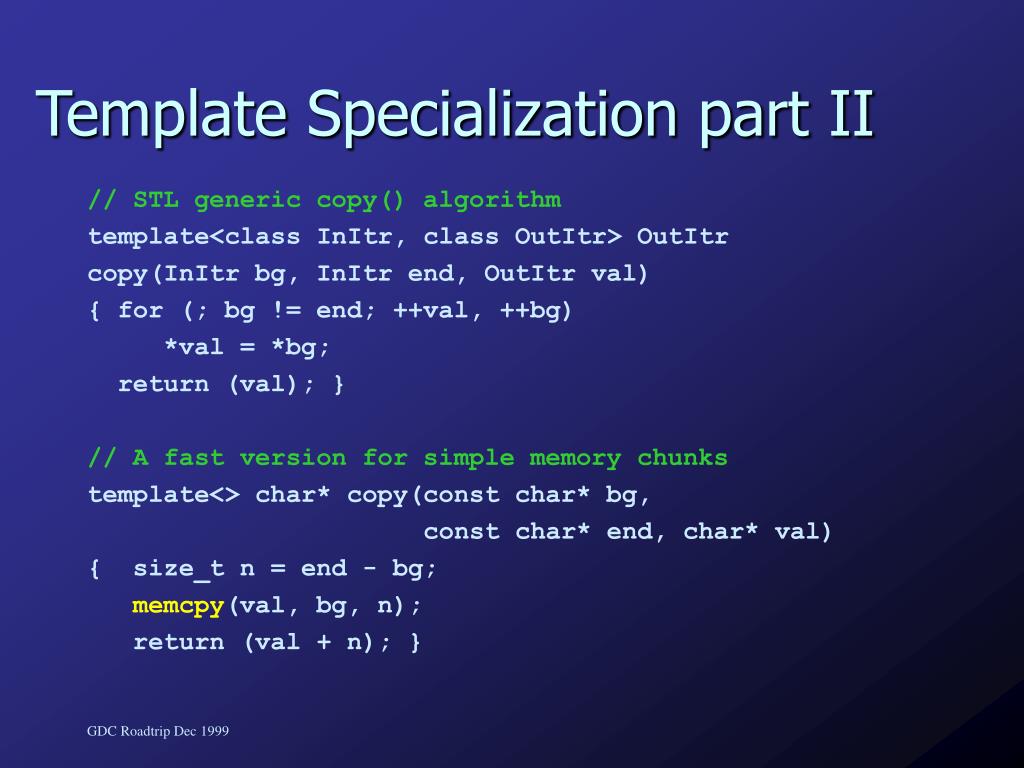
C++ Partial Template Specialization
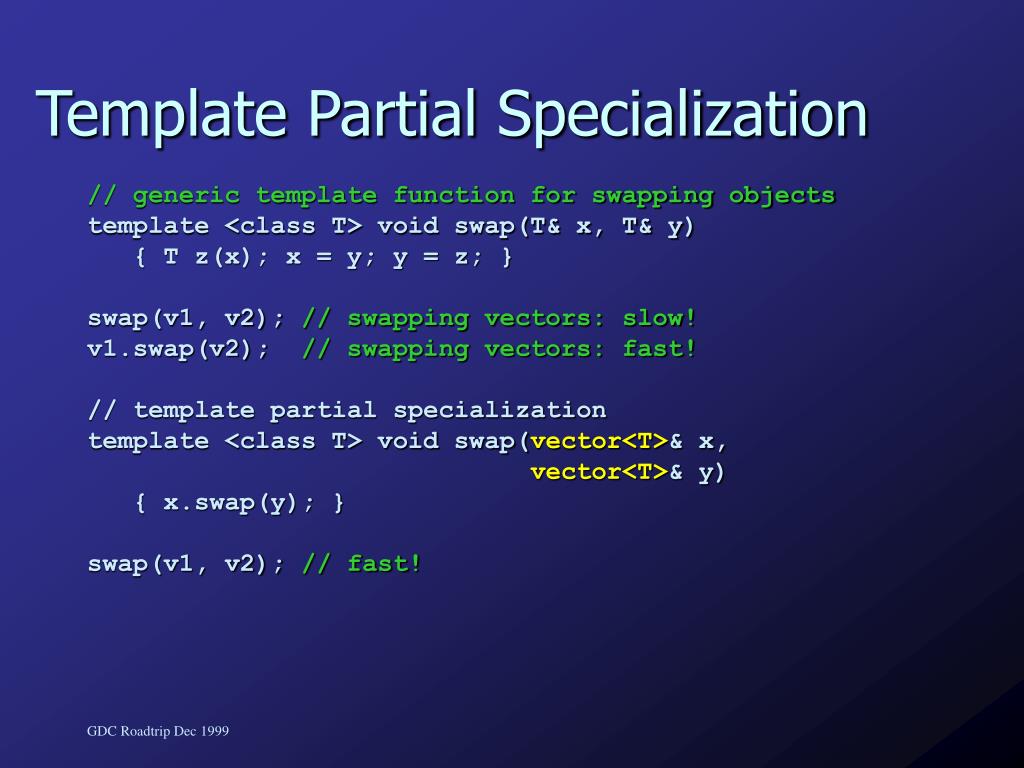
C++ Partial Template Specialization
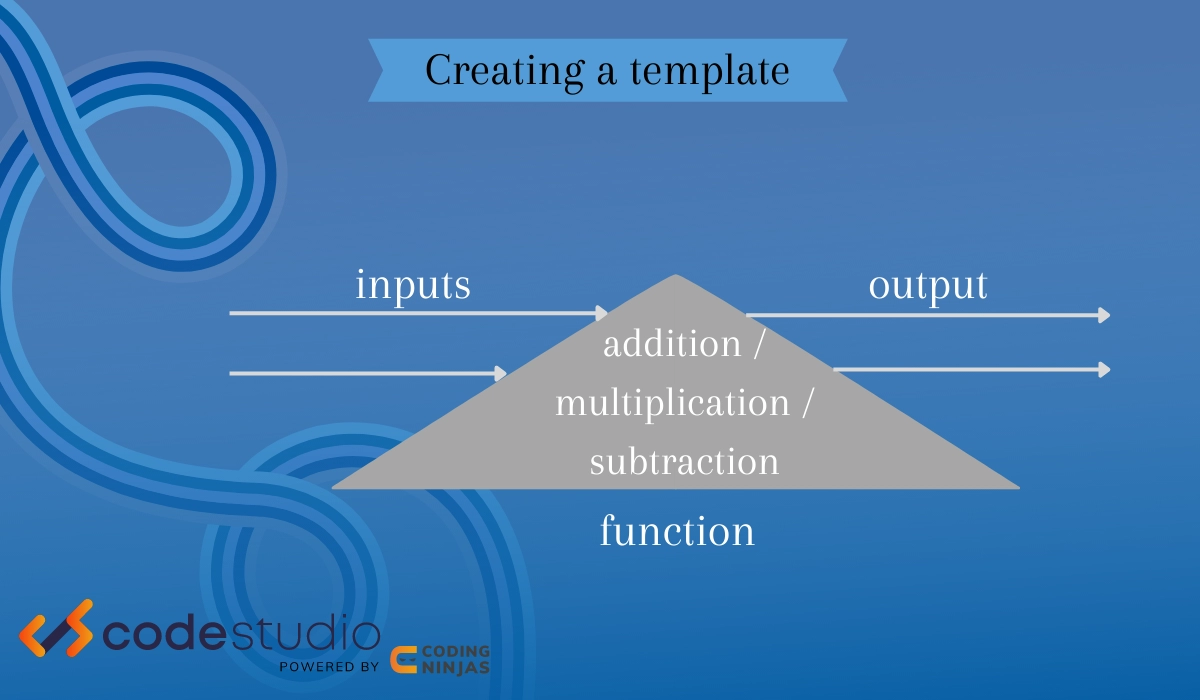
Template specialization in C++ Coding Ninjas

C++ Class template partial specialization equivalence YouTube

Function Templates Partial Specialization in C++ Fluent C++
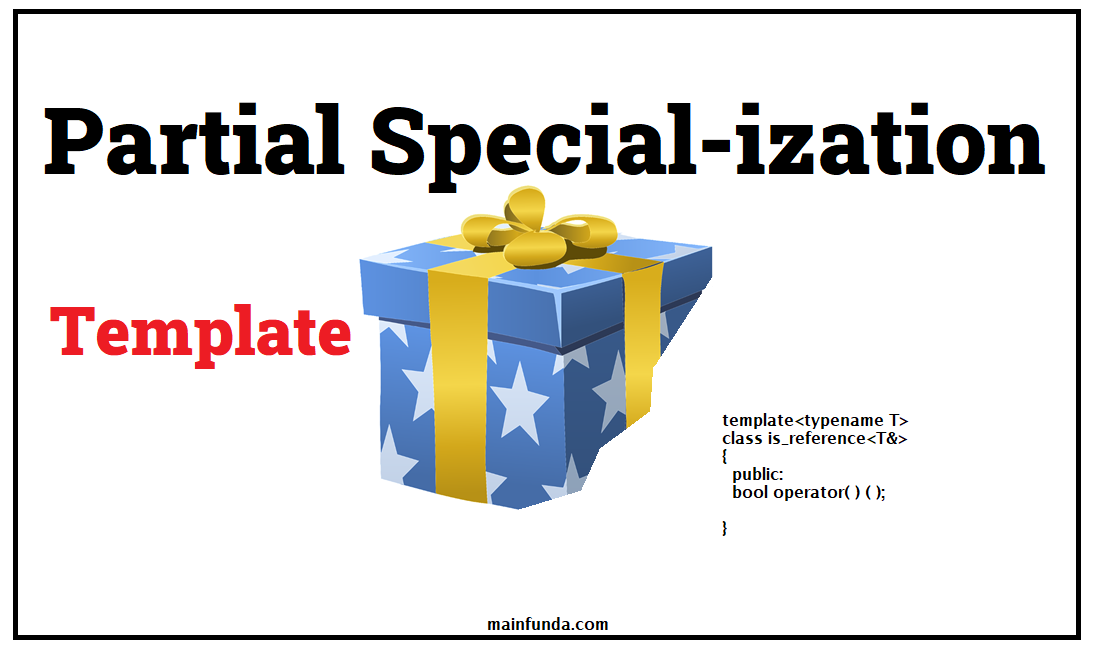
C++ Templates Partial Template Specialization Main Funda

Template Specialization Function

Template specialization in C++ Coding Ninjas
Usually Used In Reference To The C++ Programming Language, It Allows The Programmer To Specialize Only Some.
You Can Do A Partial Specialization On All Pointers And Then A Total Specialization On Specific Pointers, Which Could Be Implement In Terms Of Another Template.
I Use The Following Command To Compile It:
Using c++11's enable_if i want to define several specialized implementations for a function (based on the type of the parameter, say) as well as a default implementation. Partial template specialization is a particular form of class template specialization. For example, let's define a template and two partial specializations: This time, however, instead of implementing a class for one.
Learn About C++ Partial Template Specialization With This Comprehensive Guide.
A partial specialization has both a template argument list and a template parameter list. Includes detailed explanations, examples, and code snippets. In c++, partial template specialization allows us to define a specialized version of the template for some of the template arguments in contrast to full template specialization. Partial template specialization is a concept in c++ templates, which allows you to specialize a template for a subset of its possible type arguments.