
Ansible Jinja2 Template Example
Ansible Jinja2 Template Example - They are written in jinja2 templating language,. In the context of ansible, the template engine of choice is jinja2. How to use if statements in j2 templates? Tags like {% with %}, {% cycle %}, {% comment %}, and others can provide more functionality for. Let’s start with a simple example to understand the basics of jinja2 templating in ansible. It means one template can inherit from another template. お題:以下の内容のテキストを出力したい。 {{ username }} {{ password }} jinja2で変数参照する際は、{{ 変数名 }} と記述するため、{はそのままでは出力することはで. Understand how to use jinja2 templates with ansible; These are just some examples of the many template tags available in django. Templates allow you to create dynamic configuration files using variables and control structures. On an ansible control node, write a jinja2 template file which can easily access the variables defined in the same directory or in playbook. It is fast, reliable and widely used for dynamic file generation based on its. It means one template can inherit from another template. Here is a simple example: We are going to write an example. You will create mostly configuration templates in jinja2 format, and address them in your playbooks with the. If you have a jinja2 template called test.j2 and a vars file located at group_vars/all.yml, then you can test the template with the following command: Create a playbook that uses a role with a. Templates allow you to create dynamic configuration files using variables and control structures. Using templates for configuration files. By the end of this guide, you. It is fast, widely used, and secure with the ability to sandbox. It is fast, reliable and widely used for dynamic file generation based on its. You will learn how to access variables and facts in jinja2 templates. Understand how to use jinja2 templates with ansible; They are written in jinja2 templating language,. It means one template can inherit from another template. How to use if statements in j2 templates? {% if my_var == 1 %} some text here with an actual variable: By the end of this guide, you. In the context of ansible, the template engine of choice is jinja2. Create a playbook that uses a role with a. Let’s start with a simple example to understand the basics of jinja2 templating in ansible. By the end of this guide, you. Templates allow you to create dynamic configuration files using variables and control structures. Create a role that uses a jinja2 template; Let’s start with a simple example to understand the basics of jinja2 templating in ansible. In this lesson, you will learn with examples how to use ansible template module to parse a jinja2 template file. Templates allow you to create dynamic configuration files using variables and control structures. These are just some. To try the examples in this. We are going to write an example. Tags like {% with %}, {% cycle %}, {% comment %}, and others can provide more functionality for. Using templates for configuration files. Create a playbook that uses a role with a. We are going to write an example. Using templates for configuration files. In the context of ansible, the template engine of choice is jinja2. By the end of this guide, you. Templates allow you to create dynamic configuration files using variables and control structures. Furthermore, you will learn how to use conditional statements and loop structures in jinja2. By the end of this guide, you. We are going to write an example. On an ansible control node, write a jinja2 template file which can easily access the variables defined in the same directory or in playbook. How to use if statements in j2 templates? Using templates for configuration files. Furthermore, you will learn how to use conditional statements and loop structures in jinja2. {% if my_var == 1 %} some text here with an actual variable: They are written in jinja2 templating language,. It is fast, widely used, and secure with the ability to sandbox. If you have a jinja2 template called test.j2 and a vars file located at group_vars/all.yml, then you can test the template with the following command: These are just some examples of the many template tags available in django. Understand how to use variables inside a template; It is fast, reliable and widely used for dynamic file generation based on its.. Understand how to use jinja2 templates with ansible; Using templates for configuration files. To try the examples in this. By the end of this guide, you. You will create mostly configuration templates in jinja2 format, and address them in your playbooks with the. In this lesson, you will learn with examples how to use ansible template module to parse a jinja2 template file. In the context of ansible, the template engine of choice is jinja2. These are just some examples of the many template tags available in django. Tags like {% with %}, {% cycle %}, {% comment %}, and others can provide more functionality for. They are written in jinja2 templating language,. On an ansible control node, write a jinja2 template file which can easily access the variables defined in the same directory or in playbook. It is fast, reliable and widely used for dynamic file generation based on its. You will learn how to access variables and facts in jinja2 templates. Using templates for configuration files. Create a role that uses a jinja2 template; We are going to write an example. Templates allow you to create dynamic configuration files using variables and control structures. お題:以下の内容のテキストを出力したい。 {{ username }} {{ password }} jinja2で変数参照する際は、{{ 変数名 }} と記述するため、{はそのままでは出力することはで. Learn to use jinja2 templating in ansible for creating flexible and dynamic configurations. {% if my_var == 1 %} some text here with an actual variable: Jinja 2 supports template inheritance, which is one of the most powerful and useful features of any template engine.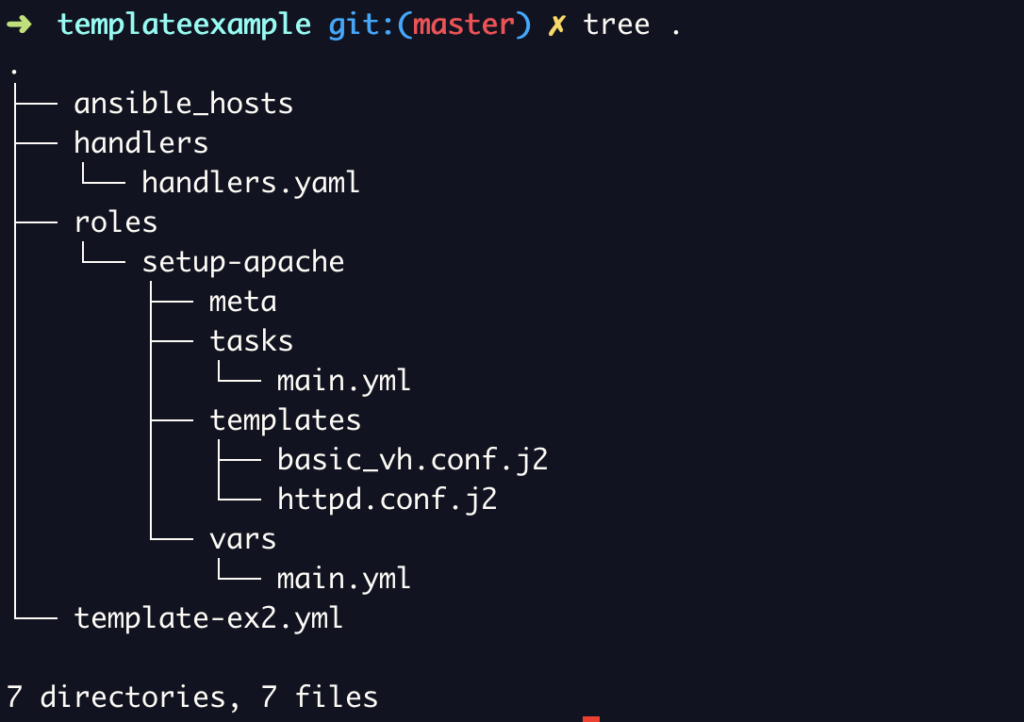
Ansible Template module Examples Jinja2 Templates Devops Junction

Jinja2 HTML Templates For Reporting With Ansible Automation Platform
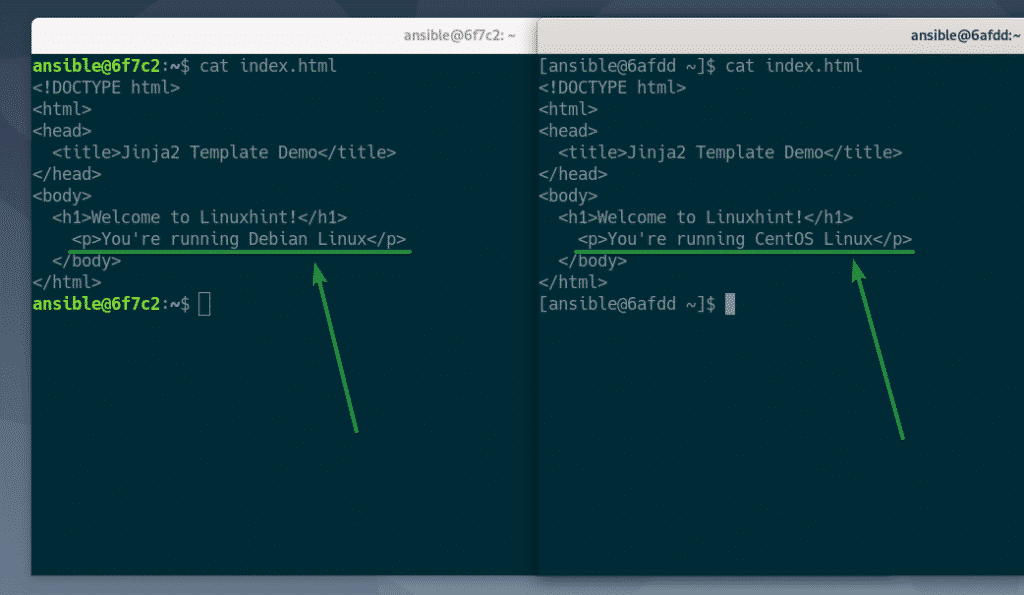
How to Use Ansible Template Module Linux Hint

Ansible Jinja2 Template Example

Ansible Jinja2 Template Example
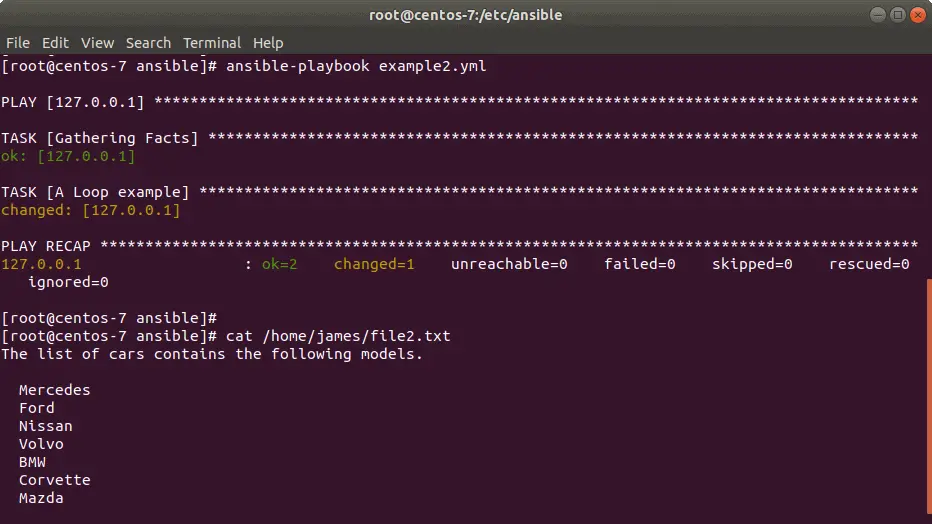
How to Use Jinja2 Template in Ansible Playbook

Ansible Template module Examples Jinja2 Templates Devops Junction

Ansible Template module Examples Jinja2 Templates Devops Junction
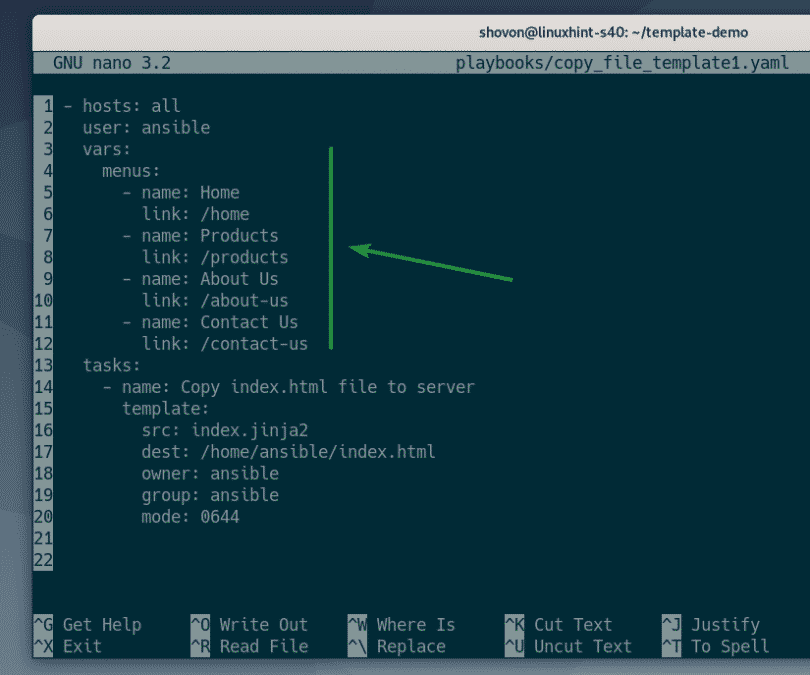
Ansible Jinja2 Template Example

ansible jinja2 template example
Understand How To Use Jinja2 Templates With Ansible;
In Ansible, You Can Use Jinja2 Templates To Dynamically Replace Values In Configuration.
Furthermore, You Will Learn How To Use Conditional Statements And Loop Structures In Jinja2.
If You Have A Jinja2 Template Called Test.j2 And A Vars File Located At Group_Vars/All.yml, Then You Can Test The Template With The Following Command:
Related Post: