
Add Template To Content Library Vmware
Add Template To Content Library Vmware - Content library, available since vsphere 6.0, allows for virtual machine templates, as well as scripts, text files, and iso images to be stored efficiently and centralized for sharing within the datacenter. From your content library, you can deploy an ovf template to create a new virtual machine on your vmware vsphere infrastructure or install a guest os from an iso file in your. You can use the content library to store and manage templates of virtual machines and vapps. In the vsphere client , you can use a content library item of the vm template type to deploy a virtual machine to a host or cluster in your vsphere environment. In vsphere 7.0 and later, you can edit the contents of the vm templates by checking them out, making the necessary changes, and checking them in. Modify settings on the reference vm (if you. You can deploy virtual machines and vapps from the vm or ovf templates that are stored in a content library. You can add new templates to a content library by cloning virtual machines or virtual machine templates from your vcenter server inventory to templates in the content. Content library in vsphere 7 does not disappoint by adding additional features to support vm template (vmtx) management, further simplifying vsphere content distribution. Another recent addition to the vmware content library functionality introduced in vsphere 6.7 update 1 is uploading a vm template type directly to the vmware content library. Vm templates in a content library allow you to store, deploy, and manage standardized vm configurations for quicker provisioning. You can deploy virtual machines and vapps from the vm or ovf templates that are stored in a content library. For example, you can directly update a template when you want to. Content library in vsphere 7 does not disappoint by adding additional features to support vm template (vmtx) management, further simplifying vsphere content distribution. The template name determines the name of the files and folder on the disk. In the vsphere client , you can use a content library item of the vm template type to deploy a virtual machine to a host or cluster in your vsphere environment. From your content library, you can deploy an ovf template to create a new virtual machine on your vmware vsphere infrastructure or install a guest os from an iso file in your. You can use the content library to store and manage templates of virtual machines and vapps. You can use vm templates and vapp templates to deploy virtual machines and vapps to a. You can add new templates to a content library by cloning virtual machines or virtual machine templates from your vcenter server inventory to templates in the content. This blog post will guide you through. Modify settings on the reference vm (if you. For example, you can directly update a template when you want to. Another recent addition to the vmware content library functionality introduced in vsphere 6.7 update 1 is uploading a vm template type directly to the vmware content library. You can add new templates to. This blog post will guide you through. Content library in vsphere 7 does not disappoint by adding additional features to support vm template (vmtx) management, further simplifying vsphere content distribution. For example, if you name the template win8tmp, the template files are named win8tmp.vmdk, win8tmp.nvram, and. You can use vm templates and vapp templates to deploy virtual machines and vapps. This blog post will guide you through. You can add new templates to a content library by cloning virtual machines or virtual machine templates from your vcenter server inventory to templates in the content. Content library in vsphere 7 does not disappoint by adding additional features to support vm template (vmtx) management, further simplifying vsphere content distribution. In the vsphere. From the vmware vsphere client, you will be able to create new virtual machines from ovf templates or vm templates stored in your content library. Modify settings on the reference vm (if you. On your vmware vcenter server (vcsa), you can create content libraries to store virtual machine template files or iso files to install the guest operating system of. This blog post will guide you through. You can deploy virtual machines and vapps from the vm or ovf templates that are stored in a content library. In vsphere 7.0 and later, you can edit the contents of the vm templates by checking them out, making the necessary changes, and checking them in. Content library, available since vsphere 6.0, allows. For example, you can directly update a template when you want to. Another recent addition to the vmware content library functionality introduced in vsphere 6.7 update 1 is uploading a vm template type directly to the vmware content library. From the vmware vsphere client, you will be able to create new virtual machines from ovf templates or vm templates stored. This blog post will guide you through. Content library, available since vsphere 6.0, allows for virtual machine templates, as well as scripts, text files, and iso images to be stored efficiently and centralized for sharing within the datacenter. You can use the content library to store and manage templates of virtual machines and vapps. Content library in vsphere 7 does. Content library in vsphere 7 does not disappoint by adding additional features to support vm template (vmtx) management, further simplifying vsphere content distribution. Another recent addition to the vmware content library functionality introduced in vsphere 6.7 update 1 is uploading a vm template type directly to the vmware content library. In the vsphere client , you can use a content. You can deploy virtual machines and vapps from the vm or ovf templates that are stored in a content library. Vm templates in a content library allow you to store, deploy, and manage standardized vm configurations for quicker provisioning. You can use vm templates and vapp templates to deploy virtual machines and vapps to a. Content library in vsphere 7. Another recent addition to the vmware content library functionality introduced in vsphere 6.7 update 1 is uploading a vm template type directly to the vmware content library. You can add new templates to a content library by cloning virtual machines or virtual machine templates from your vcenter server inventory to templates in the content. From the vmware vsphere client, you. This blog post will guide you through. In the vsphere client , you can use a content library item of the vm template type to deploy a virtual machine to a host or cluster in your vsphere environment. Another recent addition to the vmware content library functionality introduced in vsphere 6.7 update 1 is uploading a vm template type directly to the vmware content library. The template name determines the name of the files and folder on the disk. You can add new templates to a content library by cloning virtual machines or virtual machine templates from your vcenter server inventory to templates in the content. On your vmware vcenter server (vcsa), you can create content libraries to store virtual machine template files or iso files to install the guest operating system of your vms. Content library in vsphere 7 does not disappoint by adding additional features to support vm template (vmtx) management, further simplifying vsphere content distribution. In vsphere 7.0 and later, you can edit the contents of the vm templates by checking them out, making the necessary changes, and checking them in. You can use the content library to store and manage templates of virtual machines and vapps. For example, you can directly update a template when you want to. This blog post will guide you through. For example, if you name the template win8tmp, the template files are named win8tmp.vmdk, win8tmp.nvram, and. Vm templates in a content library allow you to store, deploy, and manage standardized vm configurations for quicker provisioning. Modify settings on the reference vm (if you. Content library, available since vsphere 6.0, allows for virtual machine templates, as well as scripts, text files, and iso images to be stored efficiently and centralized for sharing within the datacenter. You can deploy virtual machines and vapps from the vm or ovf templates that are stored in a content library.
Manage resources across sites with the VMware Content Library
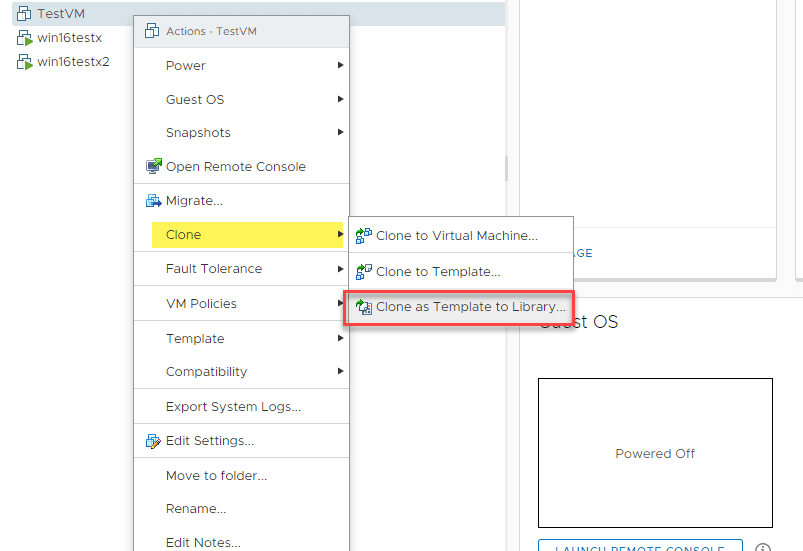
VMware vCenter 7 Content Library VM Template Versioning and Management
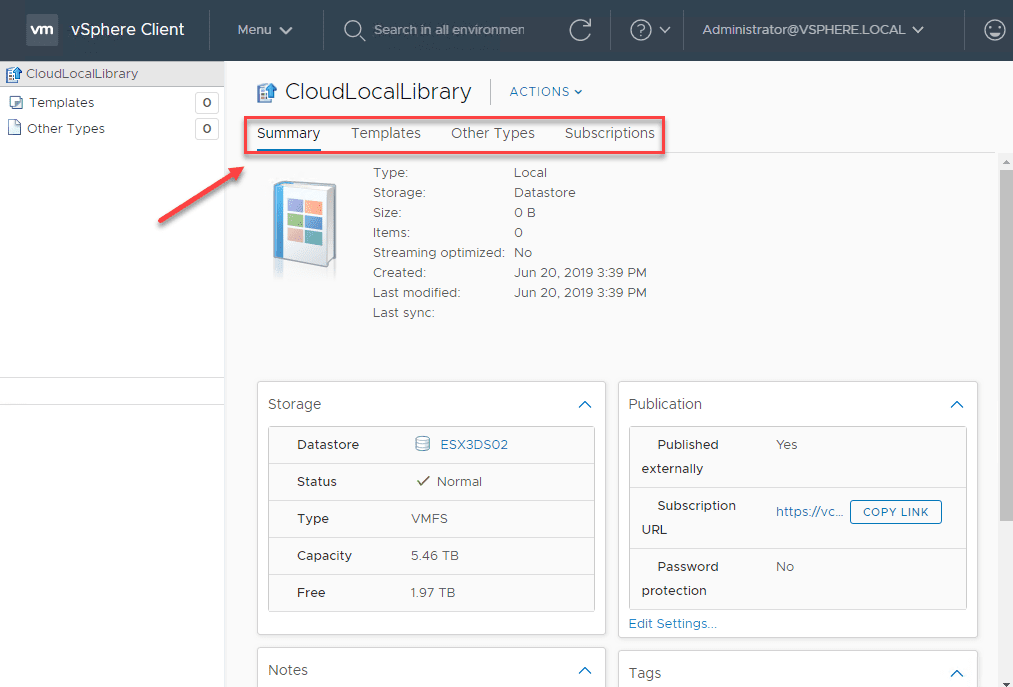
What is VMware Content Library Uses and Creating Virtualization Howto
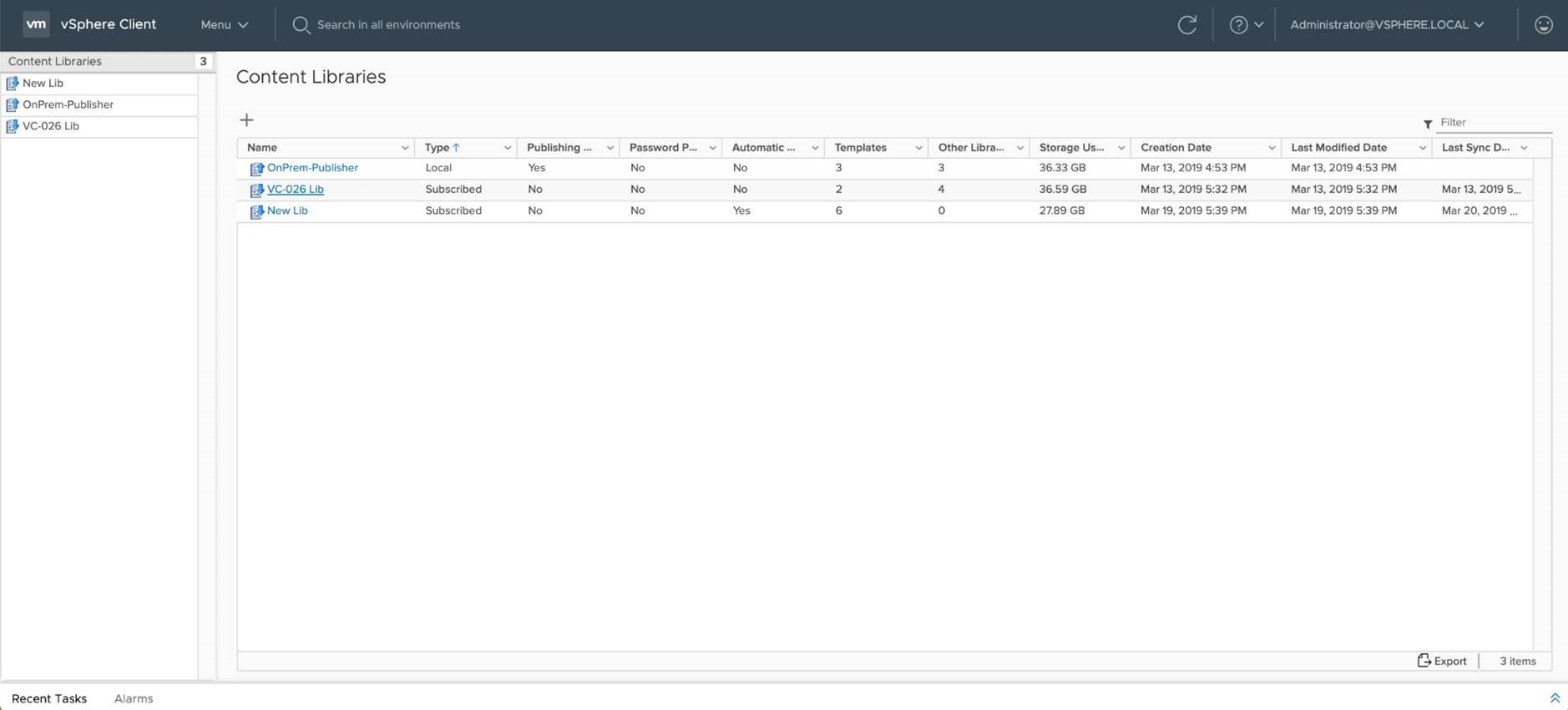
Content Library (vSphere 6.7 & higher) VMware
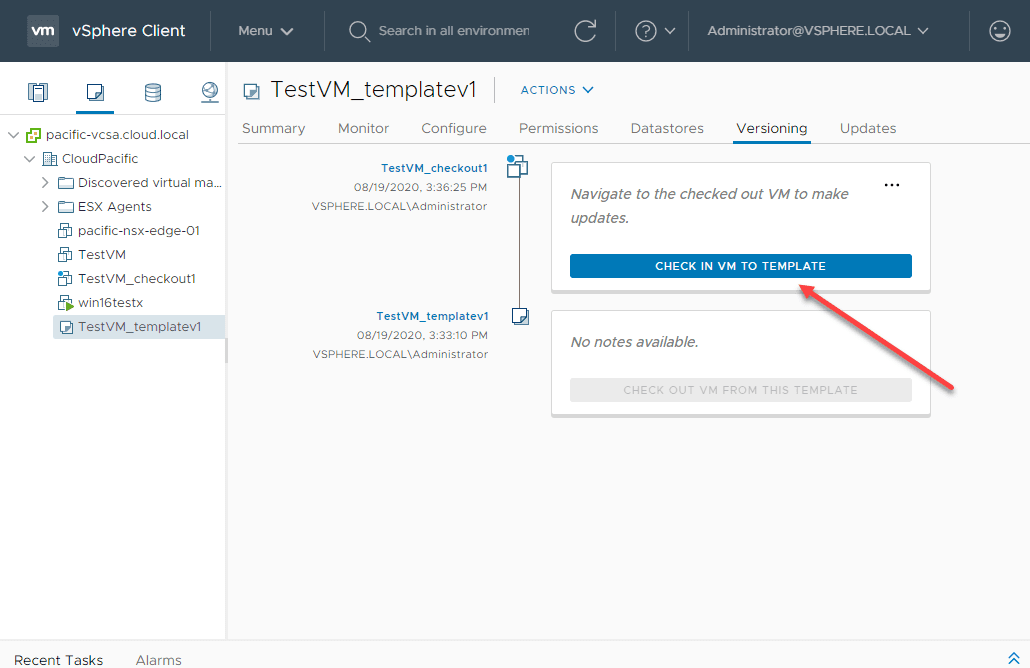
VMware vCenter 7 Content Library VM Template Versioning and Management

Creating and Using Content Library VMware vSphere Blog

Creating and Using Content Library VMware vSphere Blog
VMware [Lab 16.4] Create VM from template in Content library Lab

VMware vSphere 6.0 Content Libraries Deploying VM from a Template
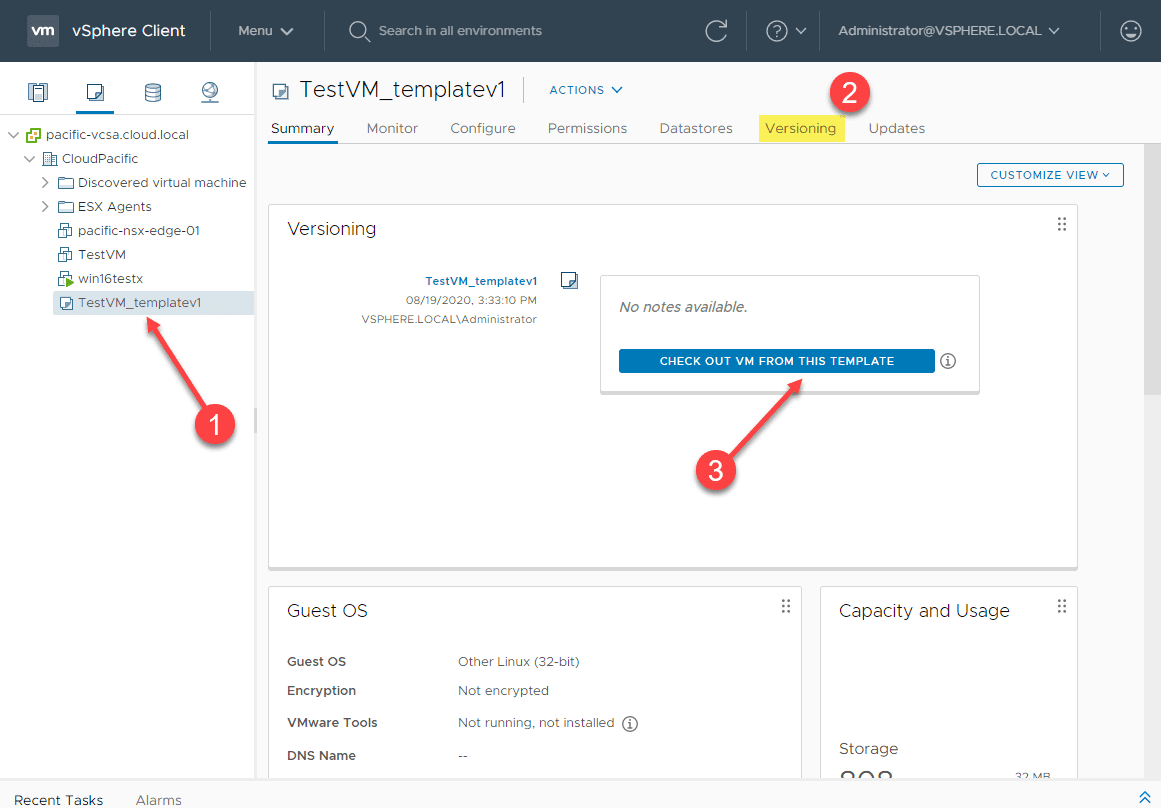
VMware vCenter 7 Content Library VM Template Versioning and Management
Vm Templates In A Content Library Allow You To Store, Deploy, And Manage Standardized Vm Configurations For Quicker Provisioning.
You Can Use Vm Templates And Vapp Templates To Deploy Virtual Machines And Vapps To A.
From Your Content Library, You Can Deploy An Ovf Template To Create A New Virtual Machine On Your Vmware Vsphere Infrastructure Or Install A Guest Os From An Iso File In Your.
From The Vmware Vsphere Client, You Will Be Able To Create New Virtual Machines From Ovf Templates Or Vm Templates Stored In Your Content Library.
Related Post:
![VMware [Lab 16.4] Create VM from template in Content library Lab](https://lh3.googleusercontent.com/6EmmFBdGddYCRzury00Cejfyup0Ks4c2jtyGH3wCv9Lbnp1ppxdXU6rpyudcEmgsfxPHOKmBzAKgnumDMmHuEXxdWCLsQPPjb8CYf8ygL6qnU2GUo27dbjKumZygEpZUGON2SBDpIWTIqixGCQ)